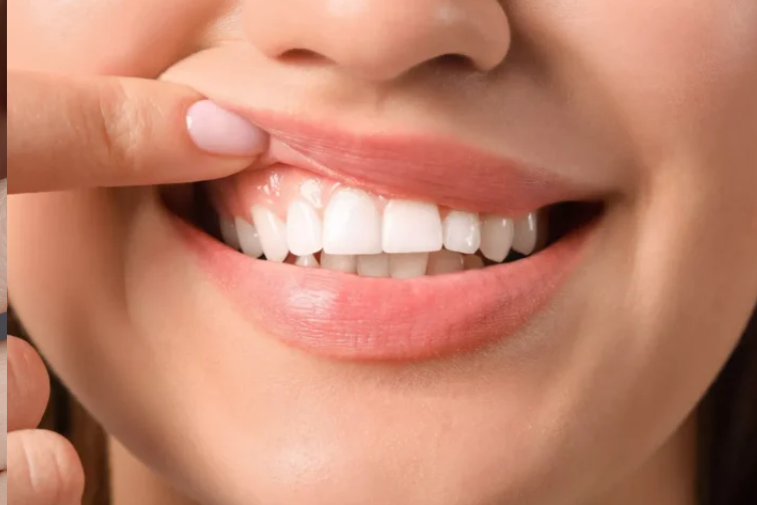
Laser Gum Depigmentation at Basmat Al Hayat Medical Center
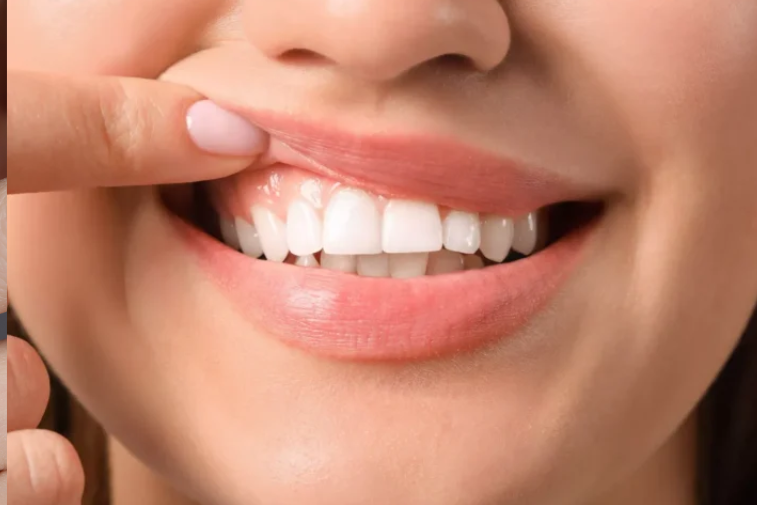
Laser Gum Depigmentation in Muwailih and Ras Al Khaimah
Laser gum depigmentation is a cosmetic dental service that helps reduce dark gum pigmentation and improve the appearance of the smile. Some patients naturally have darker gums because of melanin, the pigment that also affects skin tone. Others may notice darker patches or uneven gum color because of smoking, gum inflammation, or other factors. When the teeth look healthy but the gum color affects smile confidence, laser gum depigmentation may be considered after dental assessment.
At Basmat Al Hayat Medical Center, we provide laser gum depigmentation as part of our cosmetic dental services at our Muwailih – Sharjah and Ras Al Khaimah branches. The visit starts with an examination of the gums and teeth. The dentist checks the cause of pigmentation, gum health, plaque and tartar buildup, bleeding, inflammation, and any oral condition that should be treated before cosmetic laser treatment. After the assessment, the dentist explains whether the procedure is suitable and what results may be expected realistically.
Laser gum depigmentation does not mean that every patient will get the same pink gum shade. Natural gum color varies from person to person. The goal is to reduce visible dark pigmentation and help the gum shade look more even when the case is suitable. Results may vary, and pigmentation can return over time in some patients, especially when contributing factors such as smoking or gum inflammation continue.
What Is Laser Gum Depigmentation?
Laser gum depigmentation, sometimes called laser gum bleaching, is a cosmetic dental procedure used to reduce dark pigmentation in the gums. The dentist uses a dental laser to treat the superficial pigmented layer of gum tissue in selected areas. In many cases, the dark color is related to melanin pigmentation, which is a natural pigment present in the body.
This procedure is different from gum disease treatment. It does not remove tartar, treat cavities, or replace gum therapy when inflammation is present. If the gums are swollen, bleeding, or covered with plaque and tartar, the first step is usually teeth cleaning and gum care. Once the gums become healthier, the dentist can reassess the color and decide whether cosmetic depigmentation is still needed.
Laser gum depigmentation should be performed in a dental clinic by a qualified dental professional. The gums are delicate tissues connected to tooth and bone health. Treating them without proper diagnosis may cause irritation, uneven color, or an unsatisfactory result. This is why examination and planning are essential before the procedure.
Why Do Gums Look Dark?
Gum color is not the same for everyone. Just like skin tone, gum color can vary naturally. Some people have light pink gums, while others have brown or darker gums because of natural melanin. This can be completely normal and does not always mean there is a disease. However, some patients feel self-conscious when the dark gum shade shows in the smile.
Smoking may also contribute to gum pigmentation or make dark areas more noticeable. Gum inflammation, swelling, or heavy tartar buildup can also change how the gums look. In these cases, the first step is not cosmetic depigmentation. The dentist treats gum health first, then reviews the color after the tissues settle.
Unusual changes in gum color should be assessed carefully. If a dark spot appears suddenly, grows quickly, has an irregular shape, or is associated with pain, bleeding, ulcers, or swelling, the dentist should examine it before any cosmetic procedure. Not every dark area should be treated as a cosmetic concern.
When May You Consider Laser Gum Depigmentation?
Laser gum depigmentation may be considered when dark gum color is visible in the smile area and affects the patient’s confidence. The procedure may be suitable when pigmentation is superficial or related to melanin, and when the gums are healthy or have been treated before the session.
Patients may book an assessment for reasons such as:
- Dark gums in the front smile area.
- Brown, grey, or uneven gum patches.
- A desire for a more even gum shade.
- Pigmentation that appears clearly when smiling or taking photos.
- Teeth that look acceptable, but gum color affects smile harmony.
- Planning a smile makeover that includes both teeth and gums.
- Pigmentation related to smoking that needs dental assessment and advice.
These concerns do not automatically mean laser depigmentation is the right option. The dentist needs to check whether the pigmentation is natural, related to smoking, caused by inflammation, or linked to another condition. The dentist also explains that pigmentation may return over time and that results cannot be guaranteed for every patient.
Laser Gum Depigmentation vs. Laser Gum Contouring
Laser gum depigmentation focuses on gum color. It aims to reduce dark pigmentation and improve color harmony. Laser gum contouring focuses on gum shape and gum level around the teeth. It is used when the gum line is uneven, when too much gum shows while smiling, or when the teeth look short because gum tissue covers part of them.
Some patients may have both concerns: dark gum color and an uneven gum line. In that case, the dentist does not combine procedures randomly. The treatment sequence depends on gum health, the cosmetic goal, and whether other services such as veneers or whitening are planned. The dentist may recommend cleaning and gum care first, then decide whether depigmentation, contouring, or another service is more suitable.
Understanding this difference helps patients choose the right service. Depigmentation does not make teeth look longer or change gum height, while contouring does not lighten gum color in the same way. Assessment helps avoid choosing treatment based only on the service name.
Gum Depigmentation and Smile Design
A smile is not only about white teeth. Gum color, gum line, tooth shape, tooth shade, and lip movement all affect the final appearance. A patient may have a bright tooth shade after whitening or beautiful porcelain veneers, but dark gum pigmentation in the front area may still affect smile harmony. In selected cases, laser gum depigmentation can become part of a wider smile design plan.
The dentist may discuss gum depigmentation before or after other cosmetic services such as Zoom teeth whitening, laser teeth whitening, porcelain veneers, or laser gum contouring. The order of treatment matters because healthy and stable gums support better cosmetic outcomes. A complete assessment is better than choosing one cosmetic procedure without understanding the whole smile.
Who Is a Suitable Candidate for Laser Gum Depigmentation?
A suitable candidate usually has visible dark gum pigmentation, healthy or stabilized gums, and no active gum inflammation that requires treatment first. The patient should also be able to follow aftercare instructions and understand that the result depends on natural pigmentation, oral health, and daily habits.
The procedure may suit patients with natural melanin pigmentation who want the gum color to look more even, or patients who want to improve gum appearance as part of a smile design plan. It may not be suitable immediately for patients with heavy smoking habits, active gum disease, bleeding gums, heavy tartar, or oral conditions that need treatment first.
Before treatment, the dentist asks about medical history, medications, allergies, smoking, and previous gum procedures. These details matter because healing can vary between patients, and some factors may affect comfort, recovery, or the cosmetic result.
Cases That May Not Be Suitable Immediately
The dentist may delay laser gum depigmentation if the gums are inflamed, bleed easily, or have plaque and tartar buildup. In such cases, the darker appearance may be associated with gum health rather than cosmetic pigmentation alone. Teeth cleaning and gum treatment may be needed first. The color is then reassessed after the gums improve.
Unusual pigmentation may also need evaluation before laser treatment. A new dark spot that appears suddenly, changes quickly, looks irregular, or comes with pain, ulceration, bleeding, or swelling should not be treated as a simple cosmetic issue. The dentist decides whether additional examination or referral is needed.
The procedure may also not be suitable for patients who cannot follow aftercare instructions or who expect a permanent light pink shade for life. Gum pigmentation may return in some people over time depending on body response, melanin activity, smoking, and oral hygiene.
Steps of Laser Gum Depigmentation
The exact steps may vary depending on the laser system, gum condition, and size of the pigmented area. However, the procedure usually follows an organized process.
1. Teeth and Gum Examination
The dentist examines the gums and teeth, checks the gum color, looks for inflammation or tartar, and evaluates the teeth close to the treatment area. Photos, measurements, or X-rays may be used in selected cases if needed for treatment planning.
2. Identifying the Cause of Pigmentation
The dentist checks whether the pigmentation appears to be natural melanin pigmentation, related to smoking, associated with inflammation, or linked to another factor. This helps decide whether cosmetic treatment is suitable or whether the cause should be treated first.
3. Preparing the Gums Before Treatment
If the gums need cleaning or inflammation control, this is usually done before depigmentation. Healthy gums support better healing and a more stable result. Laser treatment should not be performed on inflamed gums without addressing the cause.
4. Local Anesthesia When Needed
The dentist may use local anesthesia or another suitable method to reduce discomfort depending on the treated area and the patient’s sensitivity. The aim is to make the session as comfortable as possible.
5. Applying the Laser to Pigmented Areas
The dentist applies the laser carefully to the pigmented areas. The treatment is controlled and gradual. Only the areas that need treatment are targeted according to the plan, rather than treating the entire gum tissue unnecessarily.
6. Reviewing the Area and Giving Aftercare Instructions
After the session, the dentist reviews the treated area and gives home care instructions. A follow-up visit may be recommended to check healing and evaluate the final color after the gums settle.
Is Laser Gum Depigmentation Painful?
Laser gum depigmentation is not usually painful during the session when suitable numbing is used if needed. The patient may feel mild warmth or discomfort depending on the treatment area and gum sensitivity. After the appointment, mild tenderness, tingling, or sensitivity may occur. These symptoms are usually temporary.
Comfort varies from one patient to another. When the gums are healthy and the treated area is limited, discomfort may be mild. If the pigmentation covers a larger area or the gums are sensitive, more care may be needed during the first days. The dentist explains what to expect based on the patient’s case.
If strong pain, continuous bleeding, obvious swelling, unpleasant odor, or discharge appears, the patient should contact the clinic. Home remedies should not be applied to the gums after laser treatment without dental advice.
Aftercare After Laser Gum Depigmentation
Aftercare is important for healing and to reduce irritation. Instructions vary depending on the case, but general advice may include:
- Eat soft foods during the first days if the gums feel sensitive.
- Avoid spicy, hard, or crunchy foods that may irritate the treated area.
- Brush gently without scrubbing the treated gum area.
- Use a soft toothbrush as advised by the dentist.
- Do not touch the gums with fingers or remove any surface layer during healing.
- Avoid smoking because it may affect healing and contribute to pigment return.
- Use mouthwash or medication only if recommended by the dentist.
- Attend follow-up visits if they are scheduled.
These are general instructions and do not replace the dentist’s specific advice. Every case is different depending on the treatment area, degree of pigmentation, gum health, and patient habits.
When Will the Result Appear?
Some patients may notice an early change in gum color after the session, but the final result needs time as the gums heal and settle. During the first days, the color may look different, and the gums may feel sensitive or show a temporary surface layer depending on the technique used. The appearance becomes clearer after healing.
Patients should not judge the result on the first day only. Gum tissue needs time to recover. The dentist may schedule a follow-up visit to assess the color and confirm that healing is progressing normally. Some patients may need additional sessions or follow-up depending on the degree and area of pigmentation.
Can Gum Pigmentation Return?
Yes, pigmentation can return in some patients over time. Repigmentation depends on natural melanin activity, smoking, inflammation, oral hygiene, and individual healing response. For this reason, no dentist can guarantee that the gum color will remain unchanged for life.
Reducing smoking, maintaining good oral hygiene, treating gum inflammation early, and attending regular dental checkups can help maintain the appearance for longer. If pigmentation returns after a period of time, the dentist can reassess the gums and decide whether another session or a different plan is suitable.
Risks and Important Notes
Laser gum depigmentation is a cosmetic procedure that needs proper assessment and experience. Like any procedure on oral tissues, temporary effects may include gum sensitivity, mild discomfort, limited swelling, or changes in gum texture during healing. In some cases, there may be irritation, uneven color, infection, or a need for an additional session.
Patients should tell the dentist about chronic conditions, medications, allergies, bleeding problems, smoking, or previous gum procedures before treatment. Gum depigmentation should not be done outside a dental setting or without examination because gum discoloration can sometimes need medical evaluation, not only cosmetic treatment.
Laser Gum Depigmentation and Smoking
Smoking may make gum pigmentation more noticeable and may increase the chance of pigmentation returning after treatment. Smoking can also affect tissue healing. This is why the dentist asks about smoking before the session and may recommend reducing or stopping smoking during the healing period.
If the patient wants a more stable result, daily habits matter. Laser gum depigmentation may improve appearance, but it does not remove the effects of ongoing smoking, poor oral hygiene, or repeated gum inflammation. Preventive guidance is part of the service, not an optional extra.
Laser Gum Depigmentation as Part of Cosmetic Dental Services
Laser gum depigmentation is connected to several other cosmetic dental services. Some patients may need laser gum contouring if the concern is gum shape. Others may need porcelain veneers if the goal includes tooth shade and shape improvement. Teeth whitening may be discussed when the teeth themselves need brightening. Teeth cleaning and gum examination may be required before any cosmetic procedure.
Internal linking between these services helps patients understand that smile improvement is not only one treatment. It may involve tooth color, gum shape, gum color, and oral health. It also helps search engines understand the relationship between cosmetic dental pages and supports a clear journey from consultation to booking.
Why Choose Basmat Al Hayat Medical Center for Laser Gum Depigmentation?
At Basmat Al Hayat Medical Center, laser gum depigmentation starts with examination of the gums and teeth and identifying the likely cause of pigmentation. The dentist explains whether the pigmentation is suitable for laser treatment, whether cleaning or gum care is needed first, and what result can be expected realistically.
The service is available as part of our cosmetic dental services at our Muwailih – Sharjah and Ras Al Khaimah branches. Having services such as laser gum contouring, porcelain veneers, teeth whitening, teeth cleaning, and dental X-ray and examination available at the center helps create a suitable plan when more than one step is needed to improve the smile.
Basmat Al Hayat Medical Center Branches
Muwailih Branch – Sharjah
Sheikh Khalifa Street, Muwailih Commercial
Customer Service: 065597444
Reception: 0544449500
Working Hours: Saturday to Thursday, 9:00 AM to 9:00 PM
Ras Al Khaimah Branch
Al Dhait Area – Agencies Street
Customer Service: 072222256
Reception: 0506462004
Working Hours: Saturday to Thursday, 9:00 AM to 9:00 PM
Friday: 12:00 PM to 8:00 PM
Booking a Laser Gum Depigmentation Appointment
If dark gum color affects the appearance of your smile, or you notice visible gum pigmentation when smiling, you can contact Basmat Al Hayat Medical Center to arrange an examination at our Muwailih or Ras Al Khaimah branch. After the checkup, the dentist will explain whether laser gum depigmentation is suitable for your condition or whether another step such as teeth cleaning, gum treatment, gum contouring, or a wider smile design plan is more appropriate.
Laser Gum Depigmentation FAQ
Is laser gum depigmentation suitable for everyone?
No. The dentist needs to examine the gums, identify the cause of pigmentation, and check that there is no inflammation or condition that should be treated first.
Is laser gum depigmentation painful?
Suitable numbing may be used when needed to reduce discomfort. Mild tenderness or sensitivity may appear after the session depending on the patient’s condition.
When will I see the result?
Some change may appear early, but the final result takes time as the gums heal and settle. The dentist may schedule a follow-up to review healing.
Can dark gum pigmentation return?
Yes. Pigmentation may return in some patients over time, especially with smoking, natural melanin activity, or repeated gum inflammation.
What is the difference between gum depigmentation and gum contouring?
Gum depigmentation focuses on reducing dark gum color. Gum contouring focuses on reshaping the gum line and changing gum levels around the teeth.
Do I need teeth cleaning before gum depigmentation?
You may need cleaning first if there is tartar or gum inflammation. The dentist decides after examination so the gums are ready for cosmetic treatment.
Does smoking affect the result?
Smoking may affect gum color and healing and may increase the chance of pigmentation returning. The dentist will discuss this before and after treatment.