
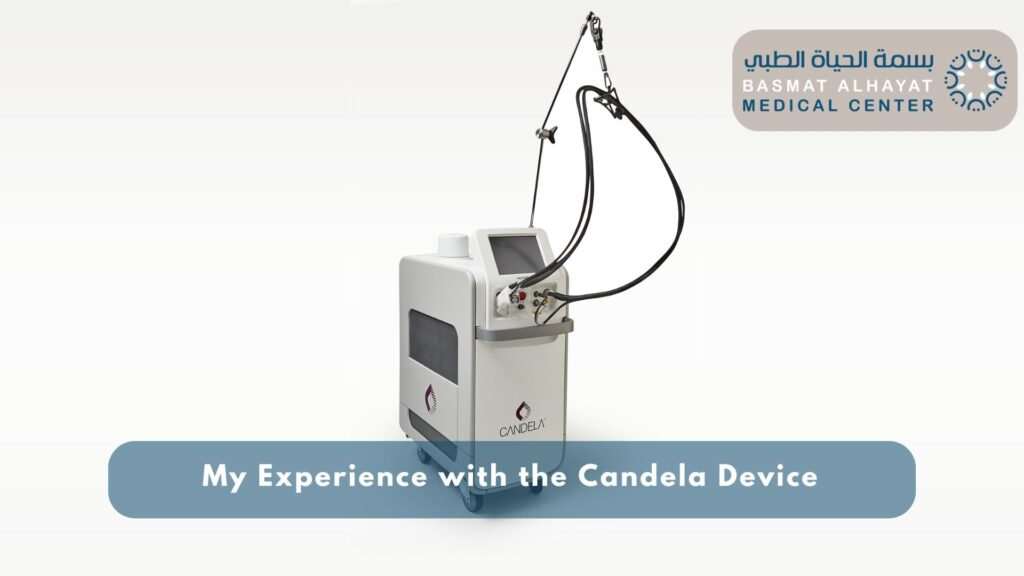
If you are researching laser hair removal, chances are you have already come across the name Candela. Many patients search for phrases like “my experience with the Candela device,” “is Candela laser painful?”, or “does Candela work better than other laser systems?”. That makes sense, because Candela has become one of the most recognized names in medical laser hair reduction, especially among people looking for long-term reduction of unwanted hair with a clinic-grade device.
Still, one important point needs to be clear from the beginning: no single patient’s experience should be treated as a guarantee for everyone else. Results depend on skin tone, hair color, hair thickness, hormonal patterns, the treatment area, the number of sessions, and how well the patient follows pre- and post-treatment instructions. So if you are reading an article titled “my experience with the Candela device,” the most useful way to approach it is as a realistic patient guide, not as a one-size-fits-all promise.
In this guide from Basmat Al Hayat Medical Center, we explain what people usually mean when they talk about the Candela device, why it is so widely discussed, what a typical treatment journey may look like, what kind of results patients often notice, and what the real limitations are. We also connect the discussion to professional laser hair removal services so that readers can make informed and realistic choices.
What Do People Mean by “Candela Device”?
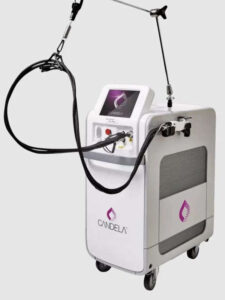
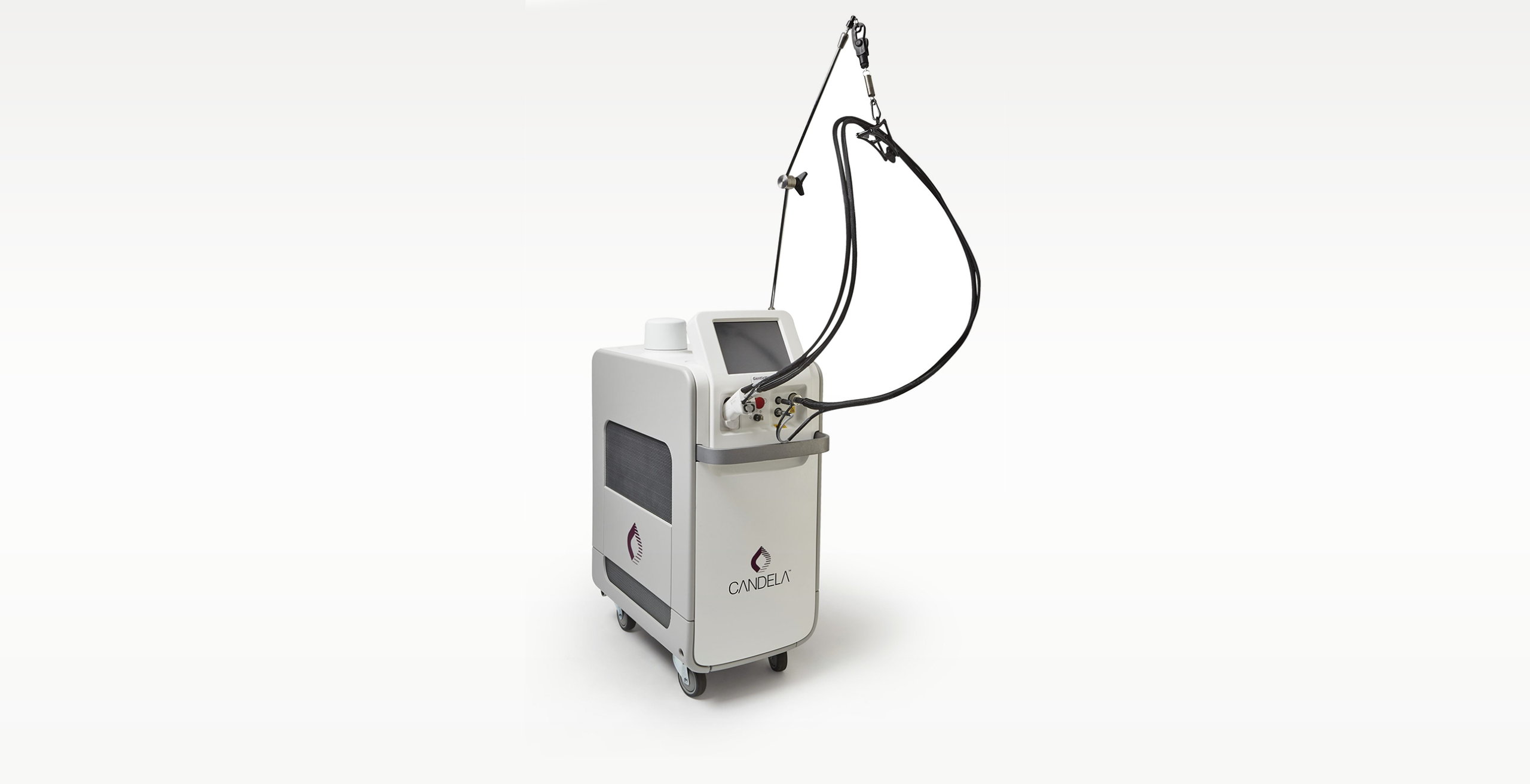
When patients mention the Candela device, they are usually referring to a medical laser system from the Candela Gentle family, which is well known in long-term hair reduction. The brand is frequently associated with clinic-grade laser systems that combine strong performance with integrated cooling for improved comfort during treatment.
According to Candela’s published device information for the GentleMax Pro Plus platform, the system is used for permanent hair reduction and is presented as a clinically established platform with broad treatment versatility. In practical discussions, the Candela GentleMax family is also commonly associated with dual-wavelength laser technology in certain models, such as Alexandrite 755 nm and Nd:YAG 1064 nm, which is why skin type assessment matters so much before any session begins.
That does not mean the brand name alone guarantees the right outcome. Even an excellent device can underperform if the patient selection is poor, the settings are inappropriate, or the treatment plan is unrealistic. In real life, the quality of the consultation and the clinician’s judgment are just as important as the laser platform itself.
Why Is Candela So Popular in Patient Reviews?
There are several reasons patients often talk about Candela in a positive way. First, it carries a reputation for being a strong medical laser platform rather than a beauty-salon shortcut. Second, many patients report seeing a clear reduction in hair density and slower regrowth over a series of properly spaced sessions. Third, comfort matters, and the built-in cooling system is one of the features people mention most often when they describe the treatment experience.
Another reason Candela is discussed so frequently is that it is often associated with treating a range of skin tones when the right wavelength and settings are selected. That point is especially relevant in the Gulf region, where many patients have medium, olive, or deeper skin tones and need laser settings chosen with more precision.
At the same time, popularity should not turn into unrealistic expectations. A good laser does not mean instant hair-free skin after one session, and no device is equally effective for every patient or every hair type. The strongest results usually come from the combination of proper assessment, suitable settings, repeated sessions, and patient compliance.
My Experience with the Candela Device: How the Journey Usually Starts
For most patients, the real experience starts before the first pulse of laser energy. It begins with consultation and screening. A proper evaluation usually includes questions about your medical history, medications, hormonal concerns, pregnancy status if relevant, previous hair removal methods, skin sensitivity, and the exact area you want to treat. The clinician also needs to assess your skin tone, hair thickness, and how your hair grows.
From there, the treatment plan is usually explained in realistic terms: how many sessions you may need initially, how far apart they should be spaced, what you may notice after the first session, and what to do before you come in. Typical pre-treatment instructions often include avoiding tanning, avoiding waxing or plucking before treatment, and following shaving instructions if they are part of the plan.
Many patients begin the process with a mix of hope and anxiety. They want smoother skin, less ingrown hair, and less hassle, but they may also worry about pain, burns, pigmentation, or wasted money. A good clinic experience addresses those concerns honestly instead of overselling.
What Does the First Candela Session Usually Feel Like?
A typical session starts with preparing the skin and making sure the area is ready for treatment. Protective eyewear is used, and the operator then works across the treatment zone in an organized pattern. The sensation varies, but many patients describe it as a quick snapping feeling with cooling layered into the experience. Some areas, like the legs, may feel easier, while more delicate areas such as the upper lip, underarms, or bikini line may feel more intense.
The length of the appointment depends on the size of the area being treated. A small facial zone can be fast, while full legs or larger body areas naturally take longer. In a good clinical setting, speed is not the only goal. Precision and safe coverage matter more than rushing through the session.
After the appointment, mild redness or warmth for a short time is common for many patients. That is not the same as a complication. What matters is understanding the difference between a normal short-lived reaction and something that needs medical follow-up, which is why aftercare instructions are so important.
Is the Candela Laser Painful?
This is one of the most common questions, and the honest answer is that it depends. Some patients find it very manageable, while others feel more discomfort in sensitive areas or when the hair is thick and dark. That said, many patients still describe the treatment as tolerable, especially because integrated cooling improves comfort compared with what they expected before trying laser hair removal.
Pain perception is also influenced by more than the machine itself. Hair density, the treatment area, menstrual timing, stress level, sleep quality, and individual sensitivity all play a role. So while one person may say it was “easy,” someone else may describe the same area as challenging. A realistic mindset is more helpful than extreme promises.
When Do Results Usually Start Showing?
One of the biggest misunderstandings about laser hair removal is expecting the hair to disappear immediately after the session. In reality, treated hair often sheds gradually over the following days and weeks. Patients may also notice that regrowth becomes slower and that some hair returns finer or less dense. The more visible improvement usually builds over multiple sessions rather than showing up all at once.
This is why the phrase “long-term hair reduction” matters. The strongest results are usually cumulative. If a patient is satisfied with the process, it is often because they begin to see practical changes in daily life: less shaving, fewer ingrown hairs, softer regrowth, and more time between hair removal routines.
Some body areas respond faster than others, and facial hair in particular may need more patience, especially when hormones are part of the picture. That does not mean treatment is failing; it simply means biology still matters.
Is the Candela Device Suitable for Middle Eastern Skin Tones?
This is an especially relevant question in the UAE and across the Gulf. Many patients have medium, olive, wheatish, or somewhat deeper skin tones, which means laser settings should be selected with care. In practice, a system from the Candela family can work well when the patient is evaluated properly and the correct wavelength and settings are chosen for the individual skin type and hair pattern.
What matters most is not the name of the device in isolation, but whether the clinician understands how to match the treatment plan to your skin. Middle Eastern skin can be more prone to post-inflammatory pigmentation if aftercare is ignored or settings are poorly chosen, so expertise and caution are essential. That is why professional laser care should always begin with a proper skin assessment.
What Do Patients Usually Like Most About Candela-Based Treatments?
When patients describe a positive experience, a few themes tend to come up again and again:
Better comfort than expected: especially because the cooling component makes a difference during treatment.
Efficient session flow: many treatment areas can be covered in a practical amount of time.
Gradual but noticeable reduction in hair density: this is the result patients care about most in daily life.
Improvement in ingrown hairs: often a major benefit for patients who struggle with irritation from shaving or waxing.
More confidence and less maintenance: the convenience factor becomes one of the biggest quality-of-life improvements over time.
What Are the Real Downsides or Limitations?
A balanced review should never focus on benefits alone. Even with a strong device, there are limitations patients should know before starting:
Results are not immediate: treatment works over time, not all at once.
Some areas are more uncomfortable: not all body parts feel the same.
Not all hair responds equally well: very light, very fine, or hormonally driven hair may not behave like coarse dark body hair.
Hormonal influences can affect outcomes: particularly on the face and certain body areas.
Aftercare matters: ignoring instructions can reduce comfort and raise the risk of irritation.
The machine is not everything: operator skill, patient selection, and honest planning matter just as much.
Sharjah – Muwailih: Opposite Al Qasimia University | +971 6 559 7444
Ras Al Khaimah: Next to First Abu Dhabi Bank, Bin Salem Building | +971 7 222 2256
Does a Good Candela Experience Mean It Is Always the Best Choice?
Not necessarily. The best laser plan is the one that fits your skin tone, hair characteristics, treatment area, and medical context. A device can have an excellent reputation and still not be the ideal answer for every person. That is why a meaningful consultation is more valuable than chasing a brand name alone.
Patients should ask better questions than just “what machine do you use?” It is far more useful to ask: Is my skin a good candidate for laser? How many sessions may I need? What result is realistic for my hair type? Could hormones affect my outcome? What can I do to reduce the risk of pigmentation or irritation? Those are the questions that shape a safe and satisfying experience.
Important Tips Before Starting Laser Hair Removal
If you are considering laser hair reduction and are curious about Candela-based treatment, a few practical tips can make the process smoother. Avoid tanning before treatment. Follow clinic instructions on shaving and avoid removing hair from the root when advised not to. Share any medications or active skin treatments with your provider. Go in with realistic expectations and understand that improvement is usually gradual. And most importantly, choose a medical setting that explains both the benefits and the limitations honestly.
Transparency matters. Patients tend to feel much better about the experience when they know what the journey is supposed to look like from the start.
What About Aftercare?
After the session, you may be advised to avoid excessive heat, friction, and sun exposure for a short period depending on the area treated and your skin response. Mild warmth or redness can happen, and treated hairs may begin to shed over time. The key is to follow the clinic’s aftercare advice and report anything unusual instead of guessing.
Good aftercare is not just about comfort. It also helps protect the skin barrier and reduces the chance of irritation, especially in patients with more reactive or pigment-prone skin tones.
Can a Patient Have a Bad Experience with the Candela Device?
Yes, that is possible, and pretending otherwise would not be honest. A disappointing experience may happen when expectations are unrealistic, when the patient stops treatment too early, when hormones make the condition more complex, or when treatment settings and candidate selection are not handled well. Sometimes the issue is not that the technology “does not work,” but that the treatment plan was oversimplified.
That is why experience should always be interpreted in context. A positive review can be encouraging, but a professional assessment is what tells you whether that kind of success is realistic in your own case.
Final Thoughts
If you have been searching for “my experience with the Candela device,” the most balanced conclusion is this: Candela is widely recognized in medical laser hair reduction, and many patients report a good experience when the case is suitable, the expectations are realistic, and the treatment is delivered professionally. But the device alone is never the whole story. Skin assessment, hair characteristics, hormonal patterns, session timing, and aftercare all shape the result.
If you want to know what laser approach makes the most sense for your skin and hair, the safest next step is a proper consultation. You can book through the appointments page or contact Basmat Al Hayat directly through the contact page. The goal is not simply to choose a famous machine, but to choose the right plan for you.
Frequently Asked Questions
Does the Candela device remove hair after one session?
No. Most patients notice gradual shedding and slower regrowth after the first session, but meaningful improvement usually builds over multiple sessions.
Is the Candela laser painful?
Comfort varies by person and treatment area, but many patients find it manageable, especially with integrated cooling.
Is Candela suitable for Middle Eastern skin tones?
It can be suitable when the right wavelength and settings are selected based on an individual skin assessment.
What do patients usually like most about it?
Common positives include comfort, session efficiency, gradual hair reduction, and improvement in ingrown hairs.
Do all patients get the same results?
No. Skin tone, hair type, hormones, treatment area, and consistency all affect outcomes.
Can it be used on facial hair?
It may be used in selected facial areas, but facial hair often needs more careful evaluation because hormones can affect response.
When do results become noticeable?
Patients often begin noticing gradual shedding and slower regrowth after early sessions, with clearer reduction over time.
Is Candela always the best laser option?
Not automatically. The best option is the one that fits the patient’s skin, hair, goals, and medical context.
How many sessions are usually needed?
That depends on the area, hair pattern, and individual response, but most patients need a structured series of sessions rather than one visit.
How do I know whether this type of treatment is right for me?
The best way is to book a professional consultation so your skin, hair, and treatment goals can be assessed properly.