
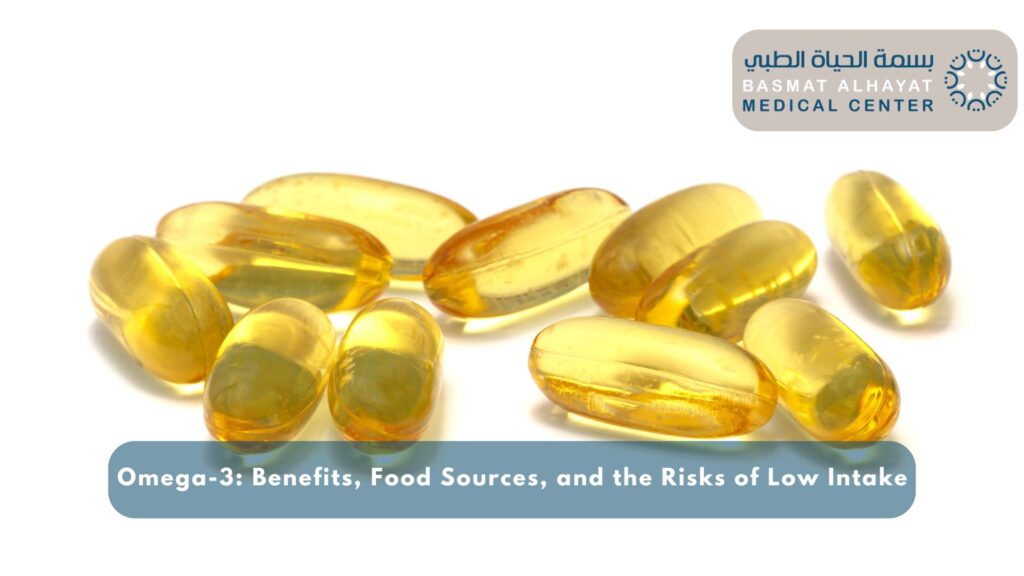
Omega-3 is one of the most talked-about nutrients in modern health content, yet many people still reduce it to one simple idea: “fish oil is good for the heart.” In reality, omega-3 fatty acids play a much broader role in the body. They are involved in cell membrane structure, brain and eye function, cardiovascular health, and inflammatory balance. That is why understanding omega-3 benefits, food sources, and the risks of not getting enough is an important part of real health education, not just a wellness trend.
According to the NIH Office of Dietary Supplements, the three main omega-3 fatty acids are ALA, EPA, and DHA. ALA is an essential fatty acid, which means the body cannot make it and must get it from food. EPA and DHA are found mainly in fish and other seafood. The body can convert some ALA into EPA and then DHA, but only in very small amounts, so food sources that naturally contain EPA and DHA remain highly relevant in practice.
In this guide from Basmat Al Hayat Medical Center, we explain what omega-3 actually is, how its different types compare, what its most important health roles are, where to find it in food, what can happen when intake stays too low for too long, and why supplements should be approached thoughtfully rather than automatically. The goal is to make the topic practical, balanced, and easy to apply in daily life.
What Is Omega-3?
Omega-3 refers to a group of polyunsaturated fatty acids that the body needs for normal structure and function. These fats are part of the membranes surrounding cells, and they support many key systems in the body, including the brain, heart, blood vessels, eyes, and immune system. They are very different from trans fats and from dietary patterns overloaded with unhealthy processed fats.
One of the most important things to understand is that omega-3 is not a single substance. It includes three forms that are commonly discussed in nutrition:
ALA, which is found mainly in plant foods and plant oils such as flaxseed, chia, walnuts, soybean oil, and canola oil; and EPA and DHA, which are found mainly in fish and seafood. As NIH consumer guidance explains, the body can convert ALA into EPA and DHA, but only to a limited degree. That is why plant sources are valuable, but they do not always function exactly the same way as direct marine sources.
Why Do the Different Types Matter?
Many articles talk about omega-3 as if all forms act identically, but that oversimplifies an important nutritional point. ALA is essential and very worthwhile in the diet, especially for people who rely heavily on plant foods. However, EPA and DHA are the forms most often discussed when it comes to tissue function and certain clinical nutrition conversations.
The NIH fact sheet for consumers notes that DHA is especially concentrated in the retina, brain, and sperm cells. This helps explain why omega-3 is often mentioned in discussions of vision, neurological development, and reproductive biology. EPA and DHA are also the forms most commonly associated with cardiovascular and inflammatory health discussions. So a better question is not just “Do I get omega-3?” but “What type am I actually getting, and from what source?”
What Are the Main Benefits of Omega-3?
Omega-3 should not be marketed like a miracle cure, but it does have meaningful roles in a healthy diet. Its most widely discussed benefits include the following:
1. Cardiovascular support: Sources such as Harvard Health and NCCIH often point out that eating oily fish as part of a healthy dietary pattern is associated with better heart health and lower cardiovascular risk than a poor-quality diet. It is important, however, to distinguish between benefits tied to real food patterns and exaggerated supplement claims.
2. Brain and nervous system support: DHA is a structural component of neural membranes, which is one reason omega-3 is frequently discussed in relation to normal brain development and neurological function.
3. Eye health support: Because DHA is present in high concentrations in the retina, omega-3 is often included in educational material related to visual health.
4. Inflammatory balance: Diets that include good omega-3 sources may support a healthier inflammatory balance, particularly when they are part of an overall pattern rich in vegetables, legumes, nuts, and minimally processed foods.
5. Pregnancy and early development: DHA in particular is often mentioned in relation to fetal and infant brain and eye development, which is why pregnancy nutrition discussions frequently include careful attention to safe omega-3 food sources.
What Foods Provide Omega-3?
For most people, the best place to start is food, not supplements. Food sources offer more than isolated fatty acids: they also provide protein, minerals, and a broader dietary pattern that supports health.
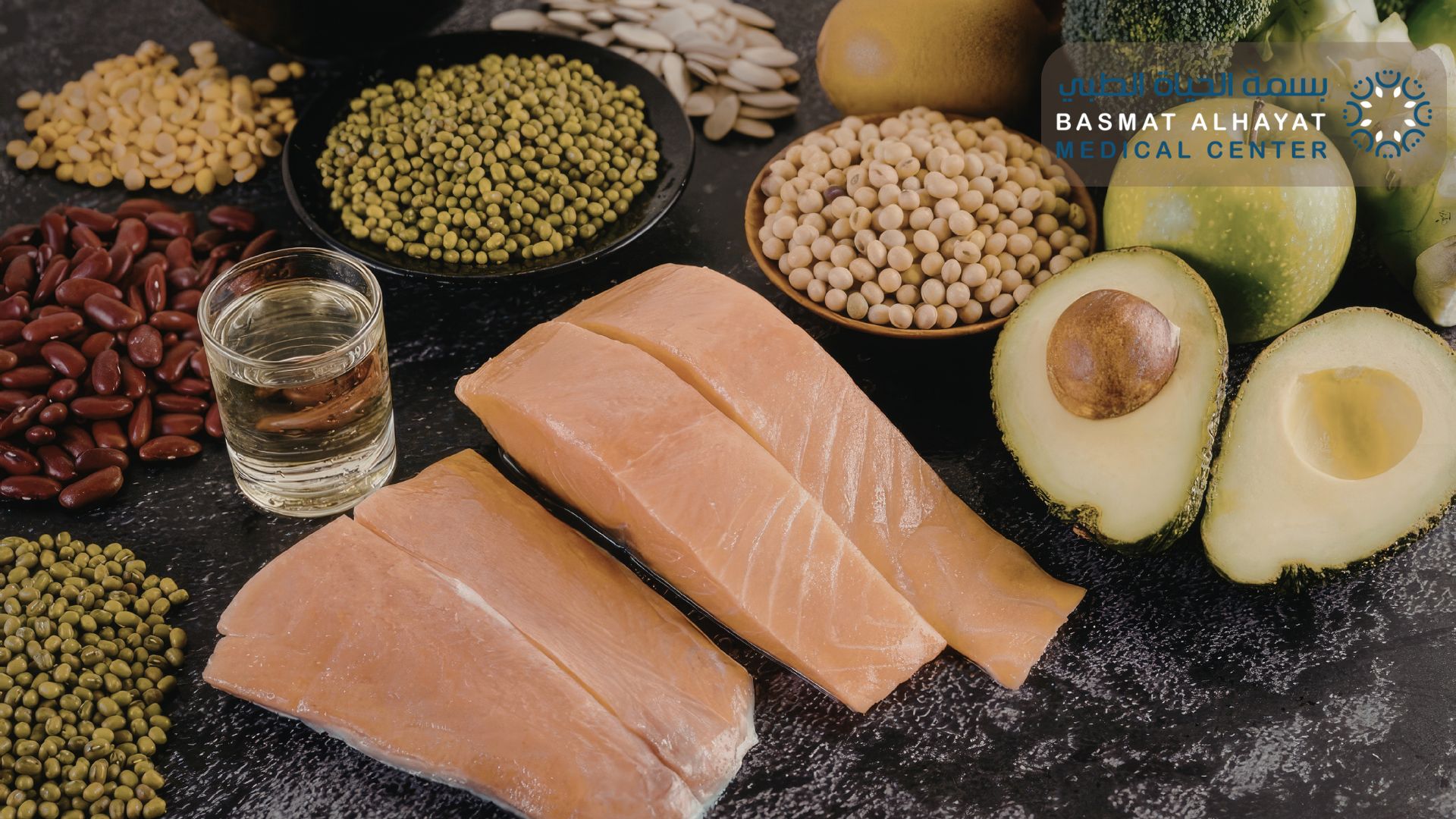
Important marine sources include salmon, sardines, mackerel, herring, and some types of tuna, along with certain seafood. These foods are usually the most meaningful dietary sources of EPA and DHA.
Important plant sources include flaxseed, chia seeds, walnuts, soybean oil, canola oil, and some fortified foods. These foods supply ALA, which is useful and important, even though its conversion to EPA and DHA is limited.
For people who do not eat fish, diet planning becomes more important. Vegetarians and others who avoid seafood may benefit from being more intentional about plant omega-3 sources and, in selected cases, discussing supplement options with a healthcare professional if there is a specific reason to do so.
Is Food Better Than Supplements?
In many cases, yes. Guidance from NIH, NCCIH, and Harvard Health all supports the idea that getting omega-3 from food is generally preferable to taking supplements automatically. Real food improves overall diet quality, not just one nutrient line on a label. When someone chooses fish, nuts, or seeds more often, they often improve the whole nutritional pattern around that choice.
Supplements also tend to be over-romanticized in popular health culture. Some people treat fish oil as if it can compensate for a diet that is otherwise heavily processed, low in vegetables, and poor in overall nutrient balance. That is rarely how long-term health works in real life.
This does not mean supplements are never useful. It means they should not be the default answer for everyone. The right question is whether a person has a clear reason, a suitable dose, and proper clinical context before relying on them.
What Are the Risks of Low Omega-3 Intake?
Sometimes the more accurate concern is not dramatic “deficiency” in the strictest sense, but chronically low intake. Many people may not have a severe deficiency syndrome, yet still consume very little omega-3-rich food over time.
The NIH consumer fact sheet notes that deficiency of essential fatty acids in general can be associated with rough or scaly skin, dermatitis, and swollen, red skin. These signs do not automatically mean omega-3 alone is the sole cause, but they highlight the fact that essential fats are not optional in human nutrition.
Low omega-3 intake may also reflect a broader issue with dietary quality. A person who rarely eats fish, nuts, seeds, or healthy oils is often missing more than omega-3 alone. That person may be missing a whole protective dietary pattern that supports the heart, brain, and metabolic balance. In that sense, the discussion is often bigger than one nutrient.
Who Should Pay More Attention to Omega-3 Intake?
Not everyone has the same nutritional needs or dietary habits, but certain groups should be especially mindful of omega-3:
People who never eat fish or seafood. People whose diets are very low in nuts, seeds, and healthy oils. Vegetarians who rely on plant sources only and need better planning around ALA intake. Pregnant or breastfeeding women who need safe, balanced dietary guidance. And people whose diets are dominated by ultra-processed foods.
These categories do not automatically mean serious deficiency, but they do increase the chance that omega-3 intake is lower than ideal or that the overall diet lacks healthy fat balance.
Can Omega-3 Ever Be Harmful?
When omega-3 comes from normal food sources in reasonable amounts, it is generally part of a healthy pattern. Concerns tend to arise more often with supplements, especially when they are taken in doses that are not appropriate for the individual or when the person has a medical condition or takes medications that matter in this context.
NIH educational material advises patients to talk with a healthcare provider, especially if they are taking medicines that affect blood clotting or if special medical circumstances apply. This is a key reminder that “healthy” does not mean “the more, the better.”
Supplement quality is another issue. Products on the market differ in purity, concentration, labeling clarity, and intended use. That is one more reason food remains the more reliable starting point for most people.
Are Nuts and Seeds Enough on Their Own?
Nuts and seeds are excellent foods and deserve a regular place in a balanced diet, especially walnuts, chia, and flax. However, they mainly provide ALA. Because the body converts only a limited amount of ALA into EPA and DHA, the full answer depends on the rest of a person’s eating pattern. Someone who never eats fish may need to think more broadly about diet quality rather than assuming one small food habit solves everything.
This does not reduce the value of plant sources. It simply puts them in proper context. They are highly beneficial foods, but realistic expectations and a good understanding of omega-3 types matter.
How Can You Increase Omega-3 Intake in a Practical Way?
If your goal is to improve your omega-3 intake without overcomplicating your routine, start with small, sustainable changes. Add oily fish to your weekly plan if it fits your dietary pattern. Use walnuts, chia, or ground flax in yogurt, oats, or salads. Choose better oils when appropriate. And reduce ultra-processed foods that weaken the overall nutritional pattern.
Consistency matters more than intensity. Health benefits are more likely to come from long-term dietary habits than from short bursts of motivation. If you have a special medical condition or a heavily restricted diet, discussing your plan with a physician or registered dietitian may be worthwhile.
Does Everyone Who Feels Tired Need Omega-3?
No. This is one of the most common mistakes in shallow health content. Fatigue, dry skin, and difficulty concentrating can have many causes, including sleep problems, stress, iron deficiency, thyroid issues, vitamin D deficiency, blood sugar imbalance, and poor overall diet. Omega-3 should not be used as a universal explanation for every vague symptom.
The more responsible approach is to look at the whole picture. If someone suspects poor nutrition, then evaluating real eating habits and discussing broader health concerns is much more useful than taking a random supplement without a clear reason.
Final Thoughts
Omega-3 is an important group of fatty acids with roles in cardiovascular health, brain function, eye health, cell membrane structure, and dietary balance. The main forms are ALA, EPA, and DHA, and each has different food sources and nutritional implications. For most people, the best place to start is a healthy food pattern that includes strong natural sources rather than immediate reliance on supplements.
Low intake may be part of a broader dietary imbalance, and deficiency signs related to essential fats can affect the skin and general health patterns. Supplements are not forbidden, but they are not automatically the first step for everyone either. If you want help improving your nutritional routine or discussing your broader health goals, you can contact Basmat Al Hayat through the contact page or book through the appointments page. The goal is not simply to take one nutrient, but to build a healthier pattern that lasts.
Sharjah – Muwailih: Opposite Al Qasimia University | +971 6 559 7444
Ras Al Khaimah: Next to First Abu Dhabi Bank, Bin Salem Building | +971 7 222 2256
Frequently Asked Questions About Omega-3
What is omega-3 in simple terms?
Omega-3 is a group of essential fatty acids that support important functions in the heart, brain, eyes, and cell membranes.
What is the difference between ALA, EPA, and DHA?
ALA is found mainly in plant foods, while EPA and DHA are found mainly in fish and seafood. The body’s conversion of ALA into EPA and DHA is limited.
What are the best natural food sources of omega-3?
Some of the best natural sources are salmon, sardines, and mackerel, along with walnuts, chia seeds, and flaxseed.
Are supplements better than food?
Usually not. For most people, food is the better first step because it improves the whole dietary pattern, not just one nutrient target.
What are signs of low omega-3 intake or essential fat deficiency?
Possible signs mentioned in educational health references include rough or scaly skin, dermatitis, and inflamed skin, but medical evaluation matters because many symptoms overlap with other issues.
Is omega-3 only important for heart health?
No. It also has roles related to the brain, eyes, cell membranes, and inflammatory balance.
Can omega-3 be taken every day?
Healthy food sources can usually be included regularly, but supplements depend on dose, health status, and whether a real need exists.
Are plant sources enough?
Plant sources are very helpful, but they mainly provide ALA, and conversion to EPA and DHA is limited, so the full answer depends on the whole diet.
Who should pay closer attention to omega-3 intake?
People who do not eat fish, people with very poor diet quality, and pregnant or breastfeeding women who need balanced nutrition planning.
Is taking large omega-3 supplement doses always safe?
Not always. Higher-dose supplements are not appropriate for everyone, especially when medications or medical conditions are involved, so professional guidance may be important.