

Acid reflux can expose teeth to repeated acid contact. Over time, this may weaken enamel, increase sensitivity, and change the shine or shape of tooth surfaces. This guide explains the issue in a calm, practical way so patients can understand what may be happening, what signs deserve attention, and when a professional assessment is better than repeated trial and error. It is educational content and does not replace a clinical visit, but it can help you prepare for a clearer conversation with your doctor or specialist.
At Basmat Al Hayat Medical Center, patient education is part of care. Many concerns start as a small daily inconvenience, then become more frustrating because the real cause has not been identified. A good plan does not begin with guessing. It begins with understanding the pattern, assessing the area properly, and choosing steps that match the person, not just the topic title.
Understanding the problem before choosing a solution
When dealing with Acid Reflux and Tooth Enamel Erosion, it is useful to step back and look at the whole picture. A symptom may appear in one place, but the reason can involve daily habits, products, diet, climate, oral hygiene, skin sensitivity, previous procedures, medication, stress, sleep, or work routines. This is why a generic online answer is often not enough. It may be directionally helpful, yet still incomplete for your specific case.
The UAE lifestyle can also influence health and cosmetic outcomes. Heat, humidity, air conditioning, sun exposure, busy work schedules, eating outside the home, and frequent use of skincare or grooming products can all affect the body. A realistic plan must consider those factors. Otherwise, the recommendation may sound correct but fail in daily life.
A professional assessment helps separate temporary irritation from a recurring pattern, and a simple habit from a medical or dental issue that needs intervention. In many cases, early assessment makes treatment easier. It may prevent the problem from becoming more uncomfortable, more visible, or more expensive to correct later.
Common signs that should not be ignored
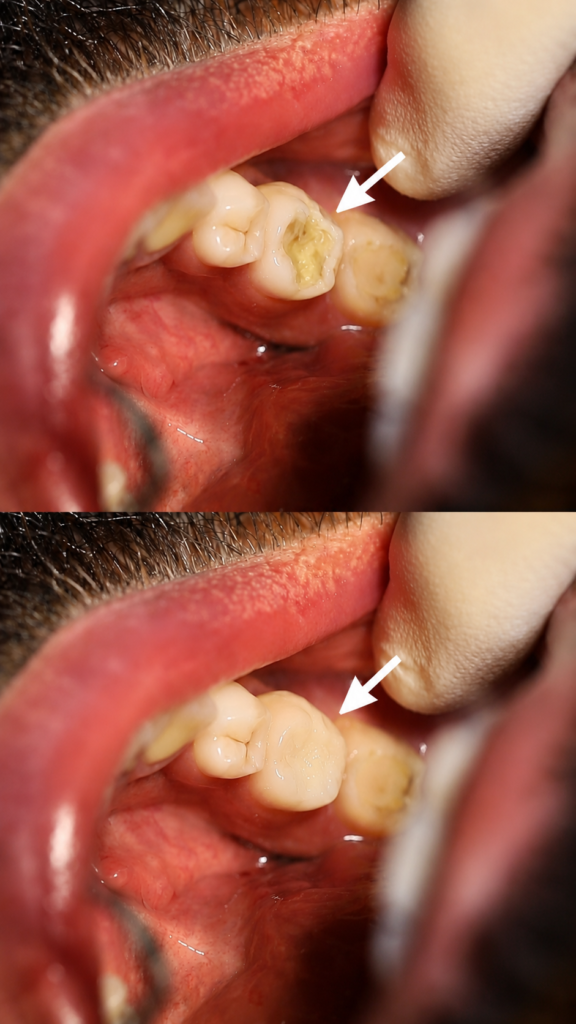
Cold sensitivity, a sour taste, yellowing, thin edges, discomfort during brushing, or visible enamel wear may point to acid-related damage. These signs do not always mean that something serious is happening, but they are worth noticing. The key question is whether they are improving, staying the same, becoming more frequent, or returning after every attempt to manage them.
It helps to observe when the issue appears, what makes it worse, and what seems to calm it down. For example, does it happen after a certain product, meal, shaving method, dental routine, or cosmetic procedure? Does it appear in the same area? Is it associated with pain, burning, itching, bleeding, sensitivity, dryness, or swelling? Those details give the clinician a much better starting point.

How the assessment works at Basmat Al Hayat Medical Center
The dentist checks the pattern and depth of enamel wear, documents sensitive areas, and explains dental protection while the medical cause of reflux is managed. The assessment is not just a quick look at the visible symptom. It includes understanding the history, the timing, the habits around it, and any products or treatments already used. That context can change the decision completely.
During the visit, the doctor or specialist explains what is likely happening, what can be done at home, what should be avoided, and whether a procedure, treatment, follow-up, or lifestyle adjustment is needed. The goal is not to push every patient toward the same option. The goal is to choose the safest and most useful route for that individual case.
Good communication is part of the assessment. Patients should feel comfortable explaining their concerns, expectations, previous experiences, and any fear about pain, cost, downtime, or side effects. When these points are discussed clearly, the plan becomes easier to follow and the result becomes more realistic.
When home care may be enough
Home care may be enough when symptoms are mild, recent, improving, and not associated with severe pain, spreading inflammation, bleeding, or functional difficulty. In this stage, simplifying the routine, avoiding triggers, improving hygiene, adjusting food choices, or protecting the area may be enough to allow recovery. The important point is to keep home care gentle and consistent.
Aggressive approaches often make matters worse. Over-brushing, over-exfoliating, using too many active ingredients, skipping meals, following extreme diets, or repeatedly changing products can confuse the body and delay improvement. A simple plan followed for enough time is usually better than a complicated plan that changes every day.
However, home care should have a limit. If there is no improvement, if the concern keeps returning, or if symptoms become more intense, it is better to book an assessment rather than continue experimenting. Early professional guidance can save time and reduce the risk of worsening the issue.
When you should book an appointment
You should consider booking an appointment when the concern is persistent, recurrent, painful, visually concerning, or affecting daily comfort. It is also wise to seek care when you are unsure whether a product, tool, procedure, or habit is safe for your situation. In health and aesthetic care, timing matters. Waiting too long may allow a small problem to become harder to manage.
An appointment does not always mean a complex treatment. Sometimes the best solution is education, prevention, cleaning, a product change, a minor adjustment, or a monitored plan. The value of the appointment is clarity. Instead of guessing, you leave with a more confident understanding of the next step.
Make your next step clear
Book an assessment at Basmat Al Hayat Medical Center and receive a plan that matches your condition, goals, and daily routine.
What a personalized plan may include
A personalized plan starts with a clear goal. The aim may be to reduce discomfort, prevent recurrence, improve appearance, protect results after a procedure, improve daily function, or support long-term health. Once the goal is clear, the clinician can decide whether the plan should focus on home care, in-clinic treatment, follow-up visits, or lifestyle changes.
The plan should also be realistic. A recommendation that does not fit your working hours, skin type, oral condition, appetite pattern, family routine, or budget is less likely to succeed. This is why Basmat Al Hayat focuses on practical steps that patients can actually apply, instead of overwhelming them with instructions that look perfect on paper but fail in real life.
In dentistry, details matter. A small adjustment in technique, timing, product choice, device settings, meal structure, or follow-up frequency can change the outcome. The safest results usually come from a balanced plan, not from rushing into the strongest option first.
Mistakes that can delay improvement
One common mistake is copying another person’s solution without knowing whether the cause is the same. Another is using several products or methods at once, making it impossible to know what helped and what made things worse. Some patients also stop too early when they see the first improvement, while others continue a product or habit despite clear irritation.
Another mistake is expecting instant results from a concern that needs gradual correction. Some issues improve within days, while others need weeks, several sessions, or repeated monitoring. A realistic timeline helps reduce frustration. It also helps patients judge improvement by meaningful changes, not by unrealistic expectations.
The safest approach is to make one clear change at a time, monitor the response, and communicate with the clinic if something feels wrong. Treatment should never feel like blind persistence. It should feel like a guided process with room for adjustment.
Maintaining the result after improvement
Improvement is only one part of the journey. Maintaining the result requires understanding what caused the issue and which habits need to continue. If the original trigger returns, the concern may return as well. This is why aftercare, maintenance, and follow-up instructions are not optional details; they are part of the treatment result.
Maintenance does not have to be complicated. It may mean using the right tool, applying sunscreen consistently, avoiding an irritating product, balancing meals, staying hydrated, attending periodic checkups, or following a simple routine. The goal is to make the healthy choice easy enough to repeat.
If the issue returns, that does not automatically mean the plan failed. It may mean the plan needs a small adjustment, a longer maintenance phase, or a different approach. Follow-up helps catch this early before frustration builds.
How to prepare for your visit
Before your appointment, write down when the issue started, what you tried, what changed recently, and what you hope to achieve. Bring a list of products, medications, supplements, previous procedures, or dental treatments if relevant. If the concern appears and disappears, photos from different days can help the clinician understand the pattern.
It is also helpful to be honest about your routine. If you often eat outside, forget skincare steps, skip flossing, shave in a rush, or struggle with meal preparation, say so. A good plan should fit your real life, not an ideal version of it. The more accurate the information, the more useful the plan.
Why a specialized center matters
A specialized medical center can look at oral health, gum comfort, tooth structure, and smile function from more than one angle. Some concerns overlap between departments or require different types of expertise. Having access to trained professionals, modern devices, clinical judgment, and follow-up support helps create safer and more complete care.
Basmat Al Hayat Medical Center serves patients across branches with a focus on clear communication, updated techniques, and patient comfort. Whether the issue is dental, dermatological, cosmetic, laser-related, or nutrition-related, the aim is to provide care that is medically responsible and easy to understand.
Useful links from Basmat Al Hayat
You may also explore our cosmetic dentistry services, meet the team on the doctors page, or contact Basmat Al Hayat Medical Center through the contact page.
How to make the plan fit your daily life
The success of any plan depends on daily consistency. A patient may understand the correct instructions but still struggle to apply them if they are too complicated. This is why the best plan is often the one that starts with the most important changes first, then adds more steps only when needed.
Start with what you can control today. That may be improving technique, protecting the area, reducing triggers, choosing a balanced meal, changing one product, or booking a follow-up. Small steps done consistently often produce better results than dramatic changes that only last a few days.
If something in the plan feels difficult, tell your clinician. There is often another way to reach the same goal. Adjusting the plan is not failure; it is part of making care practical and sustainable.
What to do after reading this guide
After reading this article, try to identify where you are now. Is the concern mild and improving? Is it repeating? Have you tried several solutions without a stable result? Is it affecting your confidence, comfort, or routine? Your answer will help you decide whether to monitor, simplify home care, or book an assessment.
If the concern is recurrent or unclear, professional assessment is the safest next step. It can help you move from guessing to understanding, and from scattered attempts to a structured plan. That is the real value of medical and aesthetic guidance.
How Basmat Al Hayat keeps the patient journey clear
A clear patient journey matters because many people delay care when they are unsure what will happen during the visit. At Basmat Al Hayat Medical Center, the aim is to make the process understandable from the first conversation. The patient explains the concern, the clinician asks about timing and previous attempts, and the assessment then connects the visible signs with the likely causes. This creates a more useful plan than simply offering a quick answer.
Clarity also helps reduce anxiety. When a patient understands why a certain step is recommended, what should improve first, what may take longer, and what signs require follow-up, the treatment feels more manageable. This is especially important for concerns involving appearance, comfort, or daily habits, because these issues can affect confidence as much as physical health.
The clinic’s role is to guide patients with realistic expectations. Some cases need only simple care and monitoring, while others need a procedure, a device-based session, dental treatment, nutrition planning, or repeated follow-up. The right decision depends on the assessment, not on a one-size-fits-all promise.
What makes a good outcome more likely?
A good outcome is usually the result of several small factors working together. Accurate assessment, suitable treatment selection, patient honesty, consistent aftercare, and timely follow-up all matter. If one of these elements is missing, the result may be slower or less stable. This is why communication between the patient and the clinic should continue beyond the first visit when needed.
For Acid Reflux and Tooth Enamel Erosion, it is helpful to think in terms of progress rather than perfection. Early improvement may appear as less discomfort, fewer flare-ups, easier cleaning, better control of appetite, calmer skin, or more confidence in daily choices. These changes may seem small, but they are meaningful because they show that the plan is moving in the right direction.
Patients should also remember that prevention is often easier than correction. Regular checkups, appropriate maintenance, and small adjustments can stop a concern from returning repeatedly. This is one of the reasons the clinic encourages patients to ask questions and understand the logic behind their plan, instead of following instructions mechanically.
Final patient guidance
If you are unsure whether your symptoms are normal, recurring, or related to a deeper cause, it is better to ask early. A professional assessment can give you peace of mind even when the solution is simple. It can also identify problems that are easier to manage now than later.
The most important point is to avoid random experimentation. Choose reliable medical guidance, follow the plan consistently, and return for review if the response is not as expected. This approach protects your health, your time, and your confidence.
Frequently asked questions about Acid Reflux and Tooth Enamel Erosion
Can this problem always be solved at home?
Not always. Mild and recent symptoms may improve with simple care, but persistent, painful, spreading, or recurrent symptoms should be assessed professionally.
How long does improvement usually take?
It depends on the cause, severity, and consistency with the plan. Some concerns improve quickly, while others need several weeks, sessions, or follow-up visits.
Does every patient need the same treatment?
No. Skin type, oral condition, health history, lifestyle, and expectations all affect the plan. A personalized assessment is important.
Should I stop my current products or routine?
Do not stop prescribed treatment without guidance, but if a product appears to trigger irritation or discomfort, mention it during your appointment.
When should I seek urgent advice?
Seek prompt advice if you have severe pain, swelling, bleeding, spreading inflammation, sudden discoloration, or rapidly worsening symptoms.
Are results guaranteed?
No medical or aesthetic result can be guaranteed for every person. Proper assessment and good aftercare improve the chance of a safe, satisfying outcome.
Will I need follow-up?
Follow-up is often useful, especially if the concern is recurring, procedure-related, or linked to habits that need gradual change.
How can I book an appointment?
You can contact Basmat Al Hayat Medical Center through the website and choose the branch or department that matches your concern.
Book your assessment at Basmat Al Hayat
If the concern keeps returning or affects your comfort, book a consultation and get a clear plan tailored to your needs.