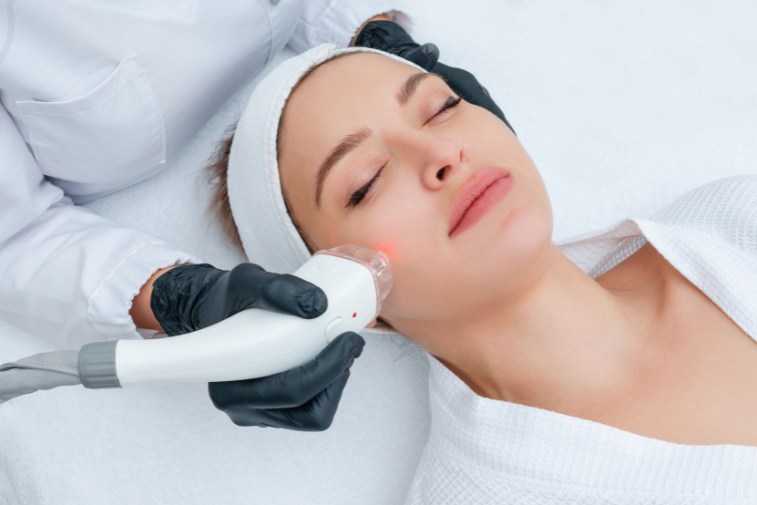
Facial Laser Hair Removal at Basmat Al Hayat Medical Center
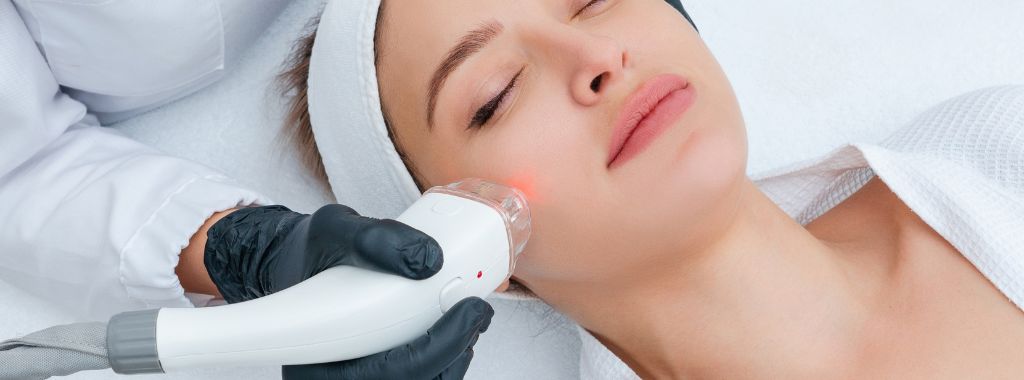
Facial Laser Hair Removal Soft Light in Muwailih and Ras Al Khaimah
Facial laser hair removal, sometimes requested by patients as Soft Light for the face, is a delicate service within the laser hair removal category because facial skin is different from body skin. The face is more exposed to sun, skincare products, makeup, fragrance, exfoliating ingredients and daily environmental changes. Unwanted facial hair can affect both women and men, especially on the upper lip, chin, cheeks, sideburns, jawline and neck. Traditional methods such as threading, waxing or shaving may cause redness, bumps, ingrown hairs or dark marks after irritation, so many patients look for a more organized way to reduce facial hair growth over time.
At Basmat Al Hayat Medical Center, we provide facial laser hair removal as part of our laser hair removal services at our Muwailih – Sharjah and Ras Al Khaimah branches. The service starts with assessment of the skin type, hair color, hair thickness and treatment area. The specialist also reviews skin sensitivity, active acne, recent peels, retinol or acid use, medication history and any condition that may affect laser suitability. After assessment, the patient receives a realistic explanation of the expected plan, preparation instructions and aftercare guidance.
The goal of facial laser hair removal is gradual reduction of unwanted hair growth. It is not a promise that every hair will disappear after one session. The face can be influenced by hormonal factors, so it often needs careful assessment and realistic expectations. Some patients notice clear reduction in density and slower regrowth, while others may need longer follow-up, especially when the hair is fine, soft, light or hormonally driven.
What Is Facial Laser Hair Removal?
Facial laser hair removal uses focused light energy to target melanin pigment inside the hair. When the hair absorbs the energy, it turns into heat that affects the follicle and helps reduce future growth over repeated sessions. Facial treatment is different from body laser because facial hair can be finer and facial skin can be more sensitive and more exposed to sunlight and active skincare ingredients.
The term Soft Light for face may be used by some patients to describe a gentle facial laser session or a facial hair reduction approach. Medically, the important point is not the name alone. What matters is selecting suitable settings for the skin and hair type, using appropriate cooling, and avoiding treatment when the skin is inflamed, irritated or recently exposed to strong sun. The face should not be treated in the same way as the legs or back. The plan is adjusted according to the area, skin sensitivity and previous response.
Laser does not work equally on every facial hair type. Dark, medium or thicker hair usually responds better than very light, white, grey or fine vellus hair. If facial hair is very fine, the specialist may explain that the response could be limited and that some areas may not be ideal for laser treatment. This helps avoid unrealistic expectations before sessions begin.
When May You Consider Facial Laser Hair Removal?
Facial laser hair removal may be suitable when unwanted facial hair affects comfort, confidence or skin condition, especially when traditional hair removal methods cause irritation. Patients may book an assessment for reasons such as:
- Visible hair on the upper lip, chin, cheeks, sideburns or neck.
- Repeated irritation after threading, waxing or shaving.
- Bumps or ingrown hairs after traditional hair removal.
- Dark marks after inflammation caused by frequent hair removal.
- A desire to reduce how often facial hair needs to be removed.
- Dark facial hair that may respond well to laser.
- A need to tidy specific facial or neck areas after assessment.
- Planning ahead for an event while understanding that results require multiple sessions.
These reasons do not automatically mean that laser can be started immediately. If the skin has active inflamed acne, sunburn, recent peeling, irritation, strong retinoid or acid use, or medication that increases light sensitivity, the session may need to be delayed. Skin safety comes before starting treatment quickly.
Facial Areas That Can Be Treated
Facial laser hair removal can be used on selected areas depending on the patient’s needs, hair type and skin suitability. Common areas include the upper lip, chin, cheeks, sideburns, jawline and neck. The area is defined carefully before treatment so the laser is not applied to areas that do not need it.
The upper lip and chin are among the most commonly requested areas. They can also be hormonally influenced in some women. If hair in these areas is thick, sudden or increasing quickly, medical discussion may be useful because laser reduces hair growth but does not treat the underlying hormonal cause if one exists.
Cheeks and sideburns require careful assessment because the hair may be fine or soft in some patients. Treating very fine vellus hair may not give a clear result and may not be recommended in some cases. The specialist explains whether the hair is suitable before the session.
Facial Laser vs. Body Laser
Facial laser differs from body laser in several ways. First, facial skin is more exposed to sun, skincare products, exfoliation and makeup, so it can be more reactive. Second, facial hair can be finer and more hormonally influenced, which may affect the number of sessions and response. Third, redness or pigmentation on the face is more visible to the patient, so the treatment needs extra care.
Body hair is often thicker in areas such as the legs, underarms or back, and may respond differently. Facial areas may require more consistent follow-up and strict sun protection. Some skincare products may need to be paused before and after treatment based on the specialist’s instructions because retinol, acids or harsh exfoliants can increase irritation.
This does not mean facial laser is unsafe. It means assessment and aftercare are important, especially for sensitive skin or skin that is prone to pigmentation.
Who Is a Suitable Candidate for Facial Laser Hair Removal?
A suitable candidate usually has visible dark or medium facial hair in an area where they want gradual hair reduction, with skin that is not inflamed, sunburned or recently irritated. The patient should also be able to follow a multi-session plan and aftercare instructions.
Facial laser may be suitable for women with unwanted hair on the upper lip or chin, and for men who want to reduce hair in selected areas or tidy the neck or edges of the beard within a clear plan. If the main goal is beard line shaping, the beard laser shaping service may be more suitable because it focuses on definition rather than general facial hair removal.
Darker skin types may be suitable for facial laser when proper settings and careful assessment are used, but they need additional care to reduce pigmentation or irritation risk. White, grey, very light blonde or very fine hair may respond poorly because there is less pigment for the laser to target. Suitability is confirmed after assessment, not based on skin tone or hair color alone.
When a Facial Laser Session May Need to Be Delayed
The specialist may delay facial laser if the skin is inflamed, has many active acne lesions, open wounds, sunburn or recent peeling. The session may also be delayed if waxing, plucking or threading was done recently because laser needs the hair root inside the skin to target the follicle.
Certain products can increase facial sensitivity before treatment, including retinol, exfoliating acids, harsh scrubs and some acne treatments. Patients should tell the specialist about their skincare routine. They may be asked to stop some products for a few days before treatment depending on the product and skin condition.
If there is a new pigmented spot, mole or unusual mark in the treatment area, it should be assessed before laser. Patients taking medication that increases photosensitivity or using strong dermatology treatment should also mention this before the session. These details help protect the skin and reduce complications.
How to Prepare Before Facial Laser Hair Removal
Good preparation helps make the session safer and more comfortable, especially because the face is visible and sensitive. Instructions may vary, but general guidance includes:
- Avoid strong sun exposure and tanning before the session as advised.
- Do not wax, pluck or thread before the appointment because these methods remove the hair root.
- Shave or trim the area only as instructed by the center, while avoiding cuts or irritation.
- Pause irritating products such as retinol or exfoliating acids before the session if instructed.
- Arrive with clean skin and no makeup, perfume or heavy creams on the treatment area.
- Tell the specialist about medications, allergies or recent skin treatments.
- Avoid chemical peels or aggressive skin treatments close to laser unless approved.
- Delay the session if the face has sunburn, strong irritation or active inflammation.
Waxing, threading or plucking between sessions is usually not recommended if the goal is to benefit from laser, because these methods remove the hair root. Shaving or light trimming is often more suitable between sessions, depending on the area and clinic instructions.
Steps of a Facial Laser Hair Removal Session
The session usually starts by checking the skin and confirming the treatment area. The specialist makes sure there is no irritation, sunburn or product residue on the skin. Settings are selected according to skin type, hair type and the treatment area. The area may be cleaned before treatment if needed.
Eye protection is used because laser should not be directed toward the eyes. This is an essential step during facial laser sessions. The device is then applied to the selected area in an organized way. The patient may feel mild tingling, quick heat or a light snapping sensation depending on the area and sensitivity.
After treatment, cooling or a calming product may be used depending on the skin response. The specialist explains aftercare instructions such as avoiding sun, heat, exfoliants and strong skincare products. The patient should not scrub the face or apply harsh products immediately after the session.
Is Facial Laser Hair Removal Painful?
The feeling varies between patients. Some describe light tingling or mild heat. Others may feel more discomfort in sensitive areas such as the upper lip. Cooling systems or external cooling can help reduce discomfort and protect the skin.
Numbing creams should not be used on the face without professional guidance because they have safety instructions and may not be suitable for every area. If the patient is worried about discomfort, they can discuss this before the session so the specialist can explain available comfort measures.
As hair becomes less dense with repeated sessions, some patients find future sessions easier. If strong heat or unusual pain happens during treatment, the patient should tell the specialist immediately so settings can be adjusted or the session stopped if needed.
Aftercare After Facial Laser Hair Removal
After facial laser, mild redness, warmth or small swelling around the follicles may appear. These effects are usually temporary, but proper aftercare is important to reduce irritation and pigmentation risk. General advice includes:
- Avoid direct sun exposure after the session as instructed.
- Use a suitable facial sunscreen when recommended, especially during daytime.
- Avoid sauna, steam and very hot showers for a short period.
- Do not use retinol, exfoliating acids or strong scrubs immediately after laser.
- Avoid heavy makeup for a short period if the skin is irritated.
- Moisturize with a gentle product if recommended.
- Do not scratch or rub the treated area strongly.
- Contact the center if severe pain, blisters, strong pigmentation or unusual irritation appears.
A few days after treatment, hair may shed or appear as if it is coming out of the skin. This can be normal after laser and does not mean that the hair is growing more. The patient should not pluck the hair and should follow the specialist’s instructions about shaving if needed.
Expected Results from Facial Laser
The expected result is gradual reduction in facial hair density and regrowth speed. Hair may become finer and less visible over time. However, facial areas need realistic expectations because hormonal factors and hair type strongly affect results.
Dark and somewhat thicker hair usually responds better. Fine or vellus hair may show limited improvement and may not be treated in some cases. Some patients need maintenance sessions later, especially around the chin and upper lip.
Results should not be judged after one session. Hair grows in cycles and needs several sessions. Regular appointments and proper aftercare help improve the plan. If response is weak after several sessions, the specialist may reassess hair type, settings and possible hormonal factors.
Facial Laser and Hormonal Hair Growth
Excess facial hair in some women may be linked to hormonal factors, especially if hair is thick on the chin or upper lip, appears suddenly, grows quickly after removal, or comes with acne, irregular periods or other hormonal signs. Laser can help reduce the hair, but it does not treat the internal cause when a hormonal issue is present.
Patients should be open with the specialist about changes in hair growth, medications, medical history and related symptoms. Some patients may need medical follow-up in addition to laser sessions. This does not prevent laser from being useful, but it makes expectations clearer because hormonally influenced hair may need more sessions or ongoing maintenance.
Facial Laser for Sensitive or Pigmentation-Prone Skin
If the skin is sensitive or tends to develop dark marks after acne or irritation, facial laser should be handled carefully. The specialist may use conservative settings, perform a small test area in selected cases, or delay the session if the skin is irritated. Sun protection before and after treatment is especially important.
Pigmentation can happen if inflamed or recently tanned skin is treated, or if aftercare instructions are not followed. Patients should avoid harsh exfoliants, strong sun and excessive heat during the period recommended by the specialist. If unusual signs appear, the patient should contact the center instead of applying home remedies or random creams.
Common Mistakes Before and After Facial Laser
A common mistake is removing facial hair with threading or waxing before the laser session and then expecting strong laser results. These methods remove the root, reducing what the laser can target. Another mistake is using retinol or exfoliating acids close to the appointment, or arriving with makeup and heavy products on the skin.
Another common mistake is strong sun exposure or tanning before or after treatment. The face is exposed to sun daily, so sunscreen and sun avoidance are important. Patients should also avoid requesting very high laser settings to get faster results, because the strongest setting is not always the best and may increase irritation or pigmentation risk.
Patients should also avoid expecting complete hair disappearance after the first session. Facial laser needs a plan, and results depend on hair type, skin type and hormones. Realistic expectations help patients continue the sessions and evaluate progress correctly.
Facial Laser Hair Removal as Part of Laser Hair Removal Services
Facial laser hair removal is connected to the other services in the laser hair removal category. It differs from body laser because the face is more sensitive and facial hair can be finer. It also differs from beard laser shaping, which focuses on defining beard and neck lines for men. Carbon laser is different as well because it focuses on skin radiance and pores, not hair removal.
Internal linking between these services helps visitors choose the right service. If the goal is reducing facial hair, this page is suitable. If the goal is shaping the beard line, the beard laser page is more relevant. If the goal is improving skin texture or pores, the carbon laser page is more suitable. This structure makes the user journey clearer and supports internal SEO.
Why Choose Basmat Al Hayat Medical Center for Facial Laser?
At Basmat Al Hayat Medical Center, facial laser hair removal starts with assessment of skin type, hair type and the target area, not with starting the session immediately. The instructions before and after treatment are explained clearly, and expectations are kept realistic because the face can be affected by hormones, sunlight and skincare products.
The service is available as part of our laser hair removal services at our Muwailih – Sharjah and Ras Al Khaimah branches. Related services such as body laser hair removal, carbon laser and beard laser shaping help patients choose the plan that best matches their needs, whether the goal is hair reduction, skin appearance improvement or facial and beard line definition.
Basmat Al Hayat Medical Center Branches
Muwailih Branch – Sharjah
Sheikh Khalifa Street, Muwailih Commercial
Customer Service: 065597444
Reception: 0544449500
Working Hours: Saturday to Thursday, 9:00 AM to 9:00 PM
Ras Al Khaimah Branch
Al Dhait Area – Agencies Street
Customer Service: 072222256
Reception: 0506462004
Working Hours: Saturday to Thursday, 9:00 AM to 9:00 PM
Friday: 12:00 PM to 8:00 PM
Booking a Facial Laser Hair Removal Appointment
If you have unwanted facial hair or irritation after threading, waxing or shaving, you can contact Basmat Al Hayat Medical Center to arrange an assessment at our Muwailih or Ras Al Khaimah branch. After the assessment, the specialist will explain whether facial laser hair removal is suitable for your skin and hair type and what instructions you should follow before starting sessions.
Facial Laser Hair Removal FAQ
Is facial laser hair removal suitable for everyone?
Not always. Suitability depends on hair color, hair thickness, skin type and skin condition. Dark hair usually responds better, while very fine or light hair may respond poorly.
Does facial laser remove hair permanently?
Laser helps reduce hair growth gradually, but it does not guarantee permanent removal of every hair. Multiple sessions and maintenance may be needed.
Can I do laser after threading or waxing?
Threading and waxing are usually not recommended before laser because they remove the hair root that laser needs to target. Shaving or trimming is often more suitable according to clinic instructions.
Can facial laser cause pigmentation?
Pigmentation or irritation may happen if settings are unsuitable, if the skin is inflamed, or if sun exposure instructions are not followed. Proper assessment and aftercare reduce this risk.
Should I stop retinol before facial laser?
The specialist may ask you to stop retinol, acids or exfoliants for a suitable period before the session depending on your skin and the product used. Share your skincare routine before treatment.
Can I wear makeup after facial laser?
If the skin is irritated, heavy makeup may need to be avoided for a short time according to the specialist’s instructions. The aim is to avoid additional irritation.
How many sessions does the face need?
The number varies based on hair type, area and hormonal factors. The specialist recommends an approximate plan after assessment, and facial areas may need more follow-up than some body areas.