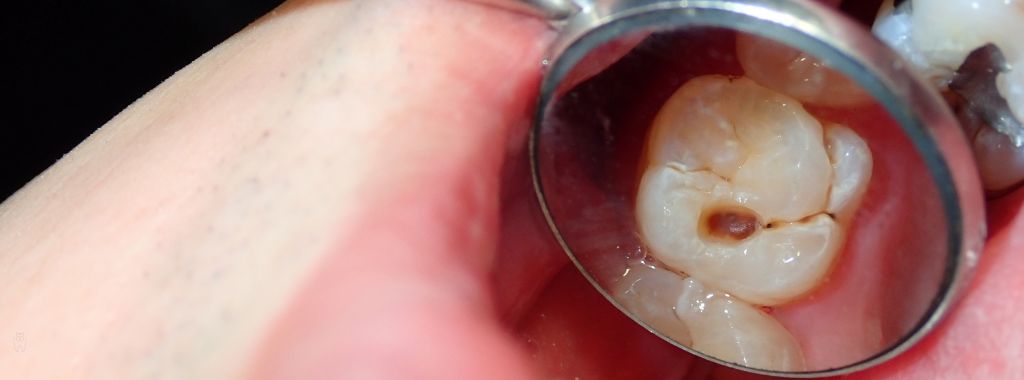
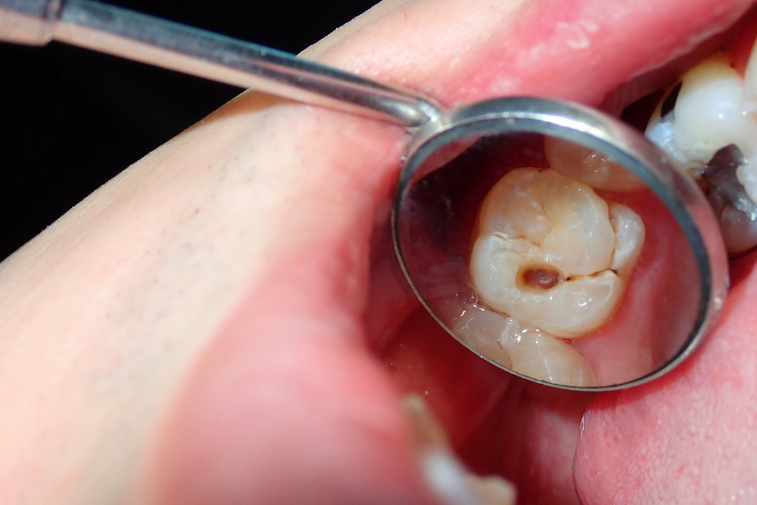
Baby Tooth Decay Treatment in Muwailih and Ras Al Khaimah
Baby tooth decay is one of the most common dental concerns in children. It can start as a small change on the tooth surface and become deeper if it is not checked and treated early. Parents may notice white, brown, or dark spots on the teeth, bad breath, crying during meals, sensitivity, or a child avoiding chewing on one side. Sometimes the child does not complain at first, even when decay is already developing.
At Basmat Al Hayat Medical Center, we provide baby tooth decay treatment as part of our dental treatment and pediatric dental services at our Muwailih – Sharjah and Ras Al Khaimah branches. The visit starts with a child-friendly examination of the teeth and gums. The dentist checks the size of the cavity, whether the decay is superficial or deep, and whether dental X-rays are needed to see decay between teeth or understand the cause of pain.
The goal of treating baby tooth decay is not only to stop current pain. It is also to help the child chew, sleep, and speak comfortably, while supporting the normal development of the mouth. Baby teeth help maintain space for permanent teeth and play an important role in chewing and speech. This is why parents should not ignore cavities in baby teeth only because these teeth will eventually fall out.
What Is Baby Tooth Decay?
Baby tooth decay is damage to a child’s primary teeth caused by acids produced by bacteria in the mouth. These bacteria feed on sugars and starches from food and drinks. When acid attacks happen often, the enamel weakens. Over time, the tooth may develop white spots, brown areas, or visible holes. If decay is not treated, it may reach deeper layers of the tooth and affect the pulp or nerve.
The problem may begin as white spots near the gum line or on the front teeth. It may later become yellow, brown, or black. In back teeth, decay may hide inside grooves or between teeth, making it difficult for parents to see. Regular dental checkups help detect early signs before the child feels pain.
Tooth decay usually does not happen because of one reason only. It often results from a combination of frequent sugar exposure, poor brushing before bedtime, sleeping with milk or juice in the mouth, difficulty cleaning back teeth, or a higher cavity risk in some children. This is why treatment should repair the damaged tooth and also address the habits that allowed decay to develop.
Why Should Baby Teeth Be Treated If They Are Temporary?
Baby teeth are temporary, but they are not unimportant. Children need them to chew food, speak clearly, smile comfortably, and guide permanent teeth into the correct position. When a baby tooth becomes painful, a child may avoid eating, chew only on one side, sleep poorly, or become irritable. If decay reaches infection or abscess stage, the child may need more advanced treatment or early tooth removal.
Losing a baby tooth too early may allow nearby teeth to move into the empty space. This can reduce the space needed for the permanent tooth when it erupts. In some cases, this may contribute to crowding or the need for future orthodontic monitoring. For this reason, the dentist tries to preserve a baby tooth when it is possible and suitable for the child’s condition.
Treating baby teeth also helps children build a more positive relationship with dental care. Early and gentle treatment is usually easier than waiting until pain becomes severe and the child needs urgent or more complex treatment.
Signs of Tooth Decay in Baby Teeth
Signs of baby tooth decay can vary from child to child. Some children clearly say that a tooth hurts, while others only change their eating behavior or become upset without explaining why. Signs that may require a dental examination include:
- White, brown, or black spots on the teeth.
- A visible hole, cavity, or broken area.
- Pain when eating sweets or drinking cold drinks.
- Crying during or after meals.
- Frequent bad breath.
- Food getting stuck in one tooth.
- Chewing only on one side.
- Gum swelling or redness around a tooth.
- A small bump or abscess near the tooth.
- Difficulty sleeping because of tooth pain.
One sign does not always mean the treatment will be complex, but it does mean the child should be checked. The earlier decay is found, the more likely it may be managed with simpler treatment such as preventive care or a filling instead of deeper pulp treatment or extraction.
Causes of Baby Tooth Decay
Baby tooth decay often happens when teeth are exposed to sugar frequently and are not cleaned properly every day. When a child eats sweets, biscuits, or snacks often, or drinks juice and sweet drinks throughout the day, the teeth are exposed to repeated acid attacks. This weakens the enamel over time.
Another common cause is sleeping with a bottle of milk, formula, or juice in the mouth, especially when the teeth are not cleaned afterward. Milk has natural sugars, and when it stays around the teeth for long periods during sleep, the chance of decay increases, especially on the upper front teeth. Not brushing before bedtime also allows plaque to stay on the teeth for many hours.
Some children have deep grooves in their back molars that are difficult to clean. Other factors may include dry mouth, crowded teeth, not using suitable toothpaste, or not receiving enough brushing help from parents. This is why the dentist asks about the child’s daily routine, diet, and brushing habits before recommending a treatment plan.
How Is Baby Tooth Decay Diagnosed?
Diagnosis starts with a calm and age-appropriate dental examination. The dentist checks the front and back teeth, gums, visible stains, cavities, food trapping, and the child’s comfort level. If the decay is visible, the dentist may be able to recommend a plan after examination. If the decay is between teeth or the source of pain is unclear, dental X-rays may be needed.
Dental X-rays are not requested randomly for every child. They may help the dentist understand the depth of decay, whether it is close to the pulp, and whether there are hidden cavities between teeth. They may also help decide whether the child needs a filling, pulp treatment, or another option.
After diagnosis, the dentist explains the condition of each affected tooth, why a certain treatment is recommended, and how many visits may be needed. The plan varies from child to child depending on age, number of affected teeth, depth of decay, and the child’s ability to cooperate.
Stages of Baby Tooth Decay and Treatment Options
Not every cavity is treated in the same way. If decay is at a very early stage and appears as enamel weakness or a white spot, the dentist may recommend preventive care such as better brushing, reducing sugar exposure,
fluoride treatment, and follow-up. If a hole has formed in the tooth, the dentist may need to clean the damaged area and place a suitable filling.
If decay is deeper and close to the pulp, a normal filling may not be enough. The child may need pulp treatment depending on the dentist’s assessment. If the tooth is badly damaged, has severe infection, or cannot be restored properly, the dentist may discuss extraction with the parents.
The decision is not based only on how the tooth looks. The dentist also considers the child’s age, when the tooth is expected to fall out, whether there is pain or swelling, the root condition, and the effect on permanent teeth. The aim is to choose the option that supports the child’s comfort and oral health.
Fillings for Baby Teeth
Fillings are commonly used when decay is limited and the tooth can be restored. The dentist removes the decayed part, cleans the tooth, and places a suitable filling material to close the space and restore function. The choice of filling depends on the tooth location, cavity size, child’s age, and cooperation during treatment.
Children may feel nervous about fillings because they do not know what will happen. Simple and calm explanation can help. The dentist and parents can say that the tooth needs to be cleaned and fixed so the child can eat more comfortably. Scary words should be avoided. If the filling is placed on a back tooth, the dentist checks the bite after treatment to make sure the child does not feel a high spot when chewing.
After a filling, daily care remains important. A filling repairs the affected tooth, but it does not prevent new cavities in other teeth. Parents should continue helping with brushing, reducing frequent sweets, and following the dentist’s checkup schedule.
Pulp Treatment for Baby Teeth
If decay reaches the inner part of the tooth or comes very close to the pulp, the child may need pulp treatment for the baby tooth. This is different from a regular filling because it focuses on managing the affected inner tissue of the tooth and reducing pain or infection when keeping the tooth is suitable.
Parents may hear terms such as nerve treatment for children or baby tooth pulp treatment. The exact type of treatment depends on the tooth condition, symptoms, whether the pulp is inflamed or infected, and X-ray findings when needed. In some cases, the tooth can be treated and kept until it naturally falls out. In other cases, extraction may be more suitable if the damage is severe.
Parents should not delay dental care when a child has continuous pain, night pain, gum swelling, or a bump near the tooth. These signs may mean the cavity has become deep and needs prompt assessment instead of relying only on pain medicine.
When Does a Baby Tooth Need Extraction?
Extraction is not the first choice for every decayed baby tooth. The dentist tries to keep the tooth when it can be restored and when it still has an important role in holding space. However, extraction may be needed if the tooth is severely damaged, if infection cannot be managed in a suitable way, or if the baby tooth is preventing the permanent tooth from erupting properly.
Before extraction is recommended, the dentist considers the child’s age, the affected tooth, when it is expected to fall out, whether the permanent tooth is underneath, and the level of infection. If the tooth is removed very early, the dentist may discuss monitoring the space or using a space-maintaining solution depending on the case.
After extraction, parents receive home care instructions for the child, such as what to eat, how to avoid disturbing the area, and when to contact the clinic if bleeding, pain, or swelling appears.
Front Baby Tooth Decay Treatment
Decay in the front baby teeth is common in younger children, especially when they sleep with milk or juice bottles or drink sweet beverages frequently. It may begin near the gum line as white spots, then become brown or cause visible tooth breakdown. Because front teeth are visible when the child smiles, parents often notice the problem early, but treatment depends on how deep the decay is.
If decay is still early, the dentist may recommend improved home care, fluoride, and monitoring. If there is visible damage, a filling or restoration may be needed. If decay is advanced and reaches the pulp, the child may need pulp treatment or extraction depending on assessment.
Treating front tooth decay early is important because it can cause pain, affect smile appearance, and make eating or speaking uncomfortable in some children.
Back Baby Molar Decay Treatment
Baby molars are very important for chewing and holding space for future permanent teeth. Because they have grooves and pits on their chewing surfaces, food and plaque can collect easily. Children may also have difficulty cleaning them properly. This makes baby molars more likely to develop cavities, especially when sugary snacks are frequent.
Treatment for baby molar decay may include a filling if the cavity is moderate, pulp treatment if the decay is deep, or extraction if the tooth cannot be saved. The dentist decides based on the clinical examination and X-rays when needed.
Parents play an important role in cleaning back teeth. Children often brush front teeth but miss the back molars. Parents should help with brushing, especially before bedtime, and make sure the chewing surfaces and back areas are cleaned properly.
Can Baby Tooth Decay Affect Permanent Teeth?
Baby tooth decay may affect permanent teeth in different ways, especially if it leads to severe infection or early tooth loss. Baby teeth hold space for permanent teeth. If they are lost too early, nearby teeth may shift and reduce the space available for the permanent tooth. Severe infection around baby teeth may also require careful evaluation because it affects tissues close to the developing permanent teeth.
This does not mean every small cavity will harm permanent teeth, but it shows why early treatment is important. When decay is treated early, pain can be reduced and the tooth may continue to function until its natural time to fall out.
If a child has repeated cavities, the child may also be at higher risk for cavities in permanent teeth if habits do not change. This is why prevention and parent education are part of treatment.
Prevention After Baby Tooth Decay Treatment
After treating decay, prevention becomes very important. General tips include:
- Brush the child’s teeth twice daily, especially before bedtime.
- Use an age-appropriate amount of toothpaste as recommended by the dentist.
- Help the child brush until they can clean properly on their own.
- Reduce frequent sweets, juices, and sweet drinks.
- Avoid putting the child to sleep with milk or juice in the mouth.
- Encourage water after meals and sweet drinks.
- Clean between teeth when needed and as advised by the dentist.
- Keep regular dental checkups and follow-up visits.
Prevention does not depend on one step only. Fluoride may help some children, and fillings repair existing cavities, but daily habits strongly influence whether decay returns.
The Role of Parents in Treatment Success
The success of baby tooth decay treatment depends greatly on parents. Parents help prepare the child emotionally, bring the child to appointments, supervise brushing, and control sugar frequency. Young children usually cannot be fully responsible for brushing by themselves. They need daily help and encouragement.
Parents should avoid using the dentist as a threat or punishment. A positive explanation is better: the dentist will check the teeth and help them become healthier. After treatment, parents should encourage the child to continue brushing and should not connect dental visits only with pain.
If the child is very anxious, parents should tell the dentist before treatment begins. The dentist may spend more time calming the child or may divide treatment into more than one visit when the situation allows.
Baby Tooth Decay Treatment as Part of Dental Treatment Services
Baby tooth decay treatment is connected to several other services in the dental treatment category, including
pediatric dental treatment, dental fillings, fluoride treatment,
teeth cleaning, and
dental X-ray and examination. A child may need only one service, or a plan that includes several steps depending on how many teeth are affected and how deep the decay is.
Internal linking between these services helps parents understand the child’s care journey from examination to prevention and treatment. It also shows that cavity care is not only a filling. It includes diagnosis, repairing the tooth, and improving daily habits to reduce the chance of future cavities.
Why Choose Basmat Al Hayat Medical Center for Baby Tooth Decay Treatment?
At Basmat Al Hayat Medical Center, we aim to treat baby tooth decay in a calm and child-friendly way. The visit starts with examining the child’s condition, explaining the plan to the parents, and selecting treatment based on the depth of decay, the child’s age, and cooperation. We also guide parents on brushing, reducing sugar exposure, fluoride prevention, and follow-up when needed.
The service is available at our Muwailih – Sharjah and Ras Al Khaimah branches as part of our dental treatment and pediatric dental care services. Having services such as fillings, fluoride, teeth cleaning, dental X-rays, and pulp care available at the center helps complete the child’s treatment plan based on the dentist’s assessment.
Basmat Al Hayat Medical Center Branches
Muwailih Branch – Sharjah
Sheikh Khalifa Street, Muwailih Commercial
Customer Service: 065597444
Reception: 0544449500
Working Hours: Saturday to Thursday, 9:00 AM to 9:00 PM
Ras Al Khaimah Branch
Al Dhait Area – Agencies Street
Customer Service: 072222256
Reception: 0506462004
Working Hours: Saturday to Thursday, 9:00 AM to 9:00 PM
Friday: 12:00 PM to 8:00 PM
Booking a Baby Tooth Decay Treatment Appointment
If you notice spots on your child’s teeth, pain while eating, frequent bad breath, or a visible cavity, you can contact Basmat Al Hayat Medical Center to arrange an examination at our Muwailih or Ras Al Khaimah branch. After the checkup, the dentist will explain whether your child needs preventive care, a filling, pulp treatment, or another suitable option.
Baby Tooth Decay Treatment FAQ
Should baby tooth decay be treated?
Yes. Baby teeth are important for chewing, speech, and holding space for permanent teeth. Untreated decay may cause pain, infection, or early tooth loss.
Does every cavity in a baby tooth need a filling?
Not always. Very early enamel weakness may need prevention and monitoring. If a hole or clear damage is present, a filling or another treatment may be needed after examination.
Is baby tooth decay treatment painful?
The dentist chooses a method that helps reduce discomfort based on the child’s age and tooth condition. Local anesthesia may be needed in some cases, and the plan is explained to the parents.
What happens if decay reaches the nerve of a baby tooth?
The child may need pulp treatment or a deeper treatment plan than a regular filling. The dentist decides after examination and X-rays when needed.
Can a decayed baby tooth be extracted?
Extraction may be suitable if the tooth is too damaged to restore. The dentist also considers the effect of early tooth loss on space and permanent tooth eruption.
How can I prevent cavities from returning?
Help your child brush twice daily, reduce frequent sugar exposure, avoid bedtime sweet drinks, and keep regular dental checkups as recommended.
Can fluoride help with baby tooth decay?
Fluoride may help support enamel and reduce cavity risk in some cases, but it does not repair deep holes and does not replace fillings when a tooth needs restoration.
When is a child’s toothache urgent?
Facial or gum swelling, fever, severe pain that affects eating or sleeping, or an abscess near the tooth should be checked as soon as possible.