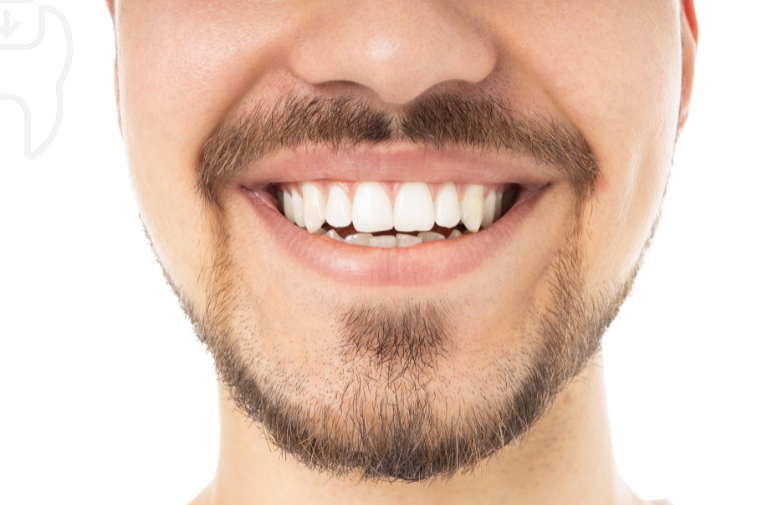
Fluoride Treatment in Muwailih and Ras Al Khaimah
Fluoride treatment is a preventive dental service that helps support tooth enamel and reduce the risk of cavities, especially for children and patients who are more likely to develop tooth decay. Fluoride is a mineral that can help strengthen the outer surface of the teeth and support early enamel repair before a cavity becomes deep. For this reason, dentists may recommend professional fluoride application as part of a prevention plan after examining the teeth and assessing the patient’s cavity risk.
At Basmat Al Hayat Medical Center, we provide fluoride treatment as part of our dental treatment and preventive dental care services at our Muwailih – Sharjah and Ras Al Khaimah branches. The visit starts with an examination of the teeth and gums. The dentist reviews the patient’s history of cavities, brushing habits, diet, sensitivity, orthodontic appliances, restorations, and any signs of early enamel weakness. Based on this assessment, the dentist decides whether professional fluoride is suitable, which method may be used, and how often follow-up may be needed.
Fluoride treatment does not mean that a patient will never get cavities. It also does not replace brushing, flossing, regular checkups, or reducing sugar intake. Instead, it can be a helpful part of a complete prevention plan that may include dental examination,
teeth cleaning, early cavity treatment, home care guidance, and regular monitoring. The need for fluoride should be based on assessment, not used randomly for every patient.
What Is Fluoride?
Fluoride is a naturally occurring mineral found in some water sources and foods. It is also used in toothpastes and other oral care products. In dentistry, fluoride is used to help protect tooth enamel from the effects of acids produced by bacteria in the mouth after sugar and carbohydrate exposure.
When teeth are exposed to acids frequently, minerals in the enamel can gradually weaken. If this continues without proper care, tooth decay may develop. Fluoride can help support enamel and may help in the early stages of mineral loss before a visible cavity forms. However, if a cavity is already deep or has created a hole in the tooth, fluoride alone is not enough. A filling or another dental treatment may be needed.
Fluoride may be used in different ways. Daily fluoride toothpaste is the most common form. Some patients may be advised to use specific mouth rinses or home products, while professional fluoride can be applied at the clinic as varnish, gel, or foam depending on the patient’s needs and the dentist’s assessment. Therapeutic fluoride products or supplements should not be used without professional guidance, especially for children, because the amount and method depend on age and cavity risk.
How Does Fluoride Help Protect Teeth?
Fluoride mainly supports the enamel, which is the hard outer layer of the tooth. When enamel is stronger, it can resist acid attacks more effectively. Fluoride can also support remineralization of early weak spots in enamel before they turn into deeper cavities that require fillings.
Inside the mouth, plaque forms from bacteria and food particles. When a person eats sugary or starchy foods frequently, bacteria produce acids that attack the tooth surface. This is why fluoride alone is not enough if daily habits are not healthy. Fluoride works best when combined with proper brushing, cleaning between the teeth, reducing frequent sugar intake, drinking water, and regular dental checkups.
The dentist may recommend fluoride when the patient has a higher cavity risk. This may include children with repeated cavities, patients with dry mouth, patients with braces that make cleaning harder, or teeth showing early white spots. In these cases, fluoride may help reduce the progression of the problem as part of a wider care plan.
Who May Need Fluoride Treatment?
Not every patient needs professional fluoride in the same way or at the same frequency. The dentist decides after examining the teeth and assessing risk factors. Fluoride treatment may be suitable in situations such as:
- Children with a higher risk of cavities.
- Patients with repeated cavities or several fillings.
- Early white spots that suggest enamel weakness.
- Difficulty cleaning due to braces or crowded teeth.
- Newly erupted permanent teeth in children and teenagers.
- Dry mouth or reduced saliva due to certain conditions or medications.
- Tooth sensitivity or mild enamel wear based on the dentist’s assessment.
- Frequent sugary snacks or sweet drinks.
- Patients who need preventive support after teeth cleaning or cavity treatment.
Having one risk factor does not automatically mean fluoride treatment is required. It means that a dental assessment is important. The dentist considers age, enamel condition, cavity history, daily oral hygiene, diet, and the patient’s overall needs before recommending treatment.
Fluoride Treatment for Children
Children are one of the groups that may benefit from fluoride when needed. Many children are still learning how to brush properly, may eat sugary snacks frequently, and may have newly erupted teeth that need careful protection. However, fluoride use in children should be age-appropriate and guided by the dentist and parents.
The dentist may recommend professional fluoride for children who have a history of cavities, visible white spots, difficulty brushing, or newly erupted permanent teeth. The application is usually quick and simple. Parents are given instructions about eating, drinking, brushing, and follow-up based on the type of fluoride used.
Professional fluoride does not mean the child can eat sweets without limits or skip brushing. Effective prevention needs cooperation between the dentist, the parents, and the child. Teeth should be brushed twice daily, frequent sugar exposure should be reduced, children should not sleep with milk or juice in the mouth, and dental follow-up should be maintained according to the dentist’s advice.
Fluoride Protection for Baby Teeth
Baby teeth are important because they help children chew, speak, smile, and keep space for permanent teeth. Fluoride can be part of a preventive plan for baby teeth, especially when the child has a higher cavity risk or when early enamel weakness is seen.
If decay is at an early stage and has not created a cavity, the dentist may discuss preventive steps such as fluoride, monitoring, and improving daily habits. If decay has already created a hole or has become deep, the child may need
baby tooth decay treatment, a filling, pulp treatment, or another plan depending on the condition.
Parents should not wait until a child has tooth pain. Many cavities begin without pain and first appear as white or brown spots. Early examination can allow simpler care and may reduce the need for more advanced treatment later.
Fluoride for Permanent Teeth in Children and Teenagers
When permanent teeth begin to erupt, especially the first permanent molars, they need good care because they will remain for many years. These teeth often have grooves and pits that can collect food and plaque, and children may not clean them well. The dentist may assess whether fluoride or other preventive steps are needed.
Fluoride may be helpful for newly erupted permanent teeth when the child has a higher cavity risk or does not clean the back teeth properly. The dentist may also discuss teeth cleaning, brushing education, or fissure protection depending on the child’s condition and service availability. The goal is to reduce cavity risk early instead of waiting for pain or a hole to appear.
Parents still play an important role at this stage. Even older children may need reminders and supervision because the back teeth are often missed during brushing. Sugar frequency and sweet drinks should also be managed, because frequent sugar exposure increases cavity risk even when fluoride is used.
Fluoride Treatment for Adults
Although fluoride is often associated with children, some adults may also benefit from professional fluoride depending on the dentist’s assessment. This may include patients with dry mouth, repeated cavities, gum recession that exposes more sensitive tooth areas, orthodontic appliances, multiple crowns or bridges, or conditions that make oral hygiene more difficult.
Some adults notice cavities around old fillings or crown margins, sensitivity in certain areas, or difficulty controlling plaque. In these cases, the dentist may recommend professional fluoride or specific home-use products when suitable. High-strength fluoride products should not be used without guidance, because the type and frequency should match the patient’s needs.
Fluoride for adults is part of prevention. It does not replace treatment for deep cavities, broken teeth, or nerve infection. If a tooth has deep decay, fracture, or root canal infection, the patient may need fillings,
root canal treatment, a crown, or another treatment depending on the diagnosis.
Types of Fluoride Used at the Dental Clinic
Professional fluoride can be applied in different forms depending on the patient’s age, dental condition, and the dentist’s assessment. Common forms include fluoride varnish, gel, or foam. The dentist chooses the suitable method based on ease of application, age, cavity risk, and the condition of the teeth.
Fluoride varnish may be suitable for children because it can be applied quickly and uses a small amount. Other forms may be used for older children or adults depending on the case and what is available. The important point is that professional fluoride should be applied correctly and followed by clear aftercare instructions.
Professional fluoride is different from daily fluoride toothpaste. Toothpaste is used every day at a suitable concentration, while professional fluoride is applied at the clinic when the patient’s risk or condition requires it. The dentist decides whether the patient needs repeated applications or only monitoring and regular home care.
Steps of Professional Fluoride Application
The exact steps may vary depending on the type of fluoride used, but the procedure is usually simple and quick.
1. Teeth and Gum Examination
The dentist or dental professional examines the teeth and gums to check for cavities, white spots, plaque, tartar, sensitivity, or any problem that should be treated before fluoride. If there is visible decay, the patient may need a filling or another treatment instead of relying on fluoride alone.
2. Cleaning the Tooth Surface When Needed
The patient may need teeth cleaning or plaque removal before fluoride application, especially if deposits are preventing the fluoride from reaching the tooth surface properly. Not every patient needs the same preparation. The dentist decides after examination.
3. Drying or Preparing the Teeth
Before applying fluoride, the teeth may be dried or prepared so the material can stay on the surface better. This step depends on the type of fluoride used.
4. Applying the Fluoride
Fluoride is applied to the teeth using the suitable method. This may be done with a small brush, tray, or another technique selected by the dentist. The application usually takes a short time.
5. Giving Aftercare Instructions
After the application, the dentist explains what to do next. This may include when to eat or drink, whether to avoid hard or sticky foods for a short time, and when to return for follow-up. Instructions vary depending on the material used.
Is Fluoride Application Painful?
Fluoride application is usually not painful. It is applied on the tooth surface and does not require anesthesia. Some children may notice a different taste or texture, but the visit is usually short. If the child is nervous, calm explanation and a gradual approach can make the experience easier.
If the teeth are very sensitive or the gums are inflamed, the patient may feel mild discomfort during examination or cleaning before fluoride, not from the fluoride itself. Patients should inform the dentist about sensitivity or pain before the visit begins.
What to Expect After Fluoride Treatment
After fluoride treatment, some types may leave a temporary coating or different feeling on the teeth. This can be normal depending on the material used. The dentist may ask the patient to avoid eating or drinking for a short period, avoid hard or sticky foods for the same day, or delay brushing for a specific time depending on the instructions.
Following the dentist’s instructions is important because aftercare may help the fluoride stay on the teeth for the required time. If a child has received fluoride, parents should help the child follow the instructions in a way that suits their age.
If the patient feels unusual irritation or sensitivity after the visit, they can contact the clinic for reassurance. In most cases, the procedure is simple and does not require recovery time.
How Often Is Fluoride Needed?
There is no single schedule that applies to every patient. Some children or adults may need professional fluoride at regular intervals if their cavity risk is high. Others may only need normal checkups, good brushing, and fluoride toothpaste. The dentist decides the timing based on cavity history, enamel condition, daily habits, braces, dry mouth, and other factors.
Parents and patients should not repeat high-strength fluoride products on their own. Proper use depends on assessment. The goal is suitable prevention, not excessive use.
Does Fluoride Replace Brushing?
No. Fluoride does not replace brushing with toothpaste. Daily brushing is the foundation of cavity prevention because it removes plaque and food particles. Fluoride supports enamel, but it does not remove plaque or tartar and does not treat deep cavities. Patients still need brushing, cleaning between the teeth, reducing sugar intake, and regular checkups.
Children need parental help with brushing until they can clean their teeth properly. They should use an age-appropriate amount of toothpaste and should not swallow large amounts. The dentist can guide parents on the suitable amount and technique.
Fluoride and Diet
Diet has a strong effect on how well cavity prevention works. If a child or adult eats sugary snacks or drinks sweet beverages throughout the day, teeth are exposed to acids many times. This increases the risk of cavities. Reducing the frequency of sweets and sweet drinks, drinking water, and avoiding sugary foods before bedtime without brushing can help protect the teeth.
Fluoride helps the teeth, but it does not cancel the effect of unhealthy habits. The dentist may discuss diet, snack frequency, sweet drinks, and bedtime habits with the patient or parents. Improving daily habits can be just as important as any preventive procedure at the clinic.
Fluoride with Braces or Dental Restorations
Patients with braces may have a higher risk of plaque buildup around brackets and wires if cleaning is not done properly. White spots may appear around braces, which can be early signs of enamel weakness. In some cases, the dentist or dental professional may recommend fluoride support and special cleaning instructions.
Patients with crowns, bridges, or several fillings also need careful cleaning around margins. Cavities may develop near restoration edges if plaque is not controlled. Fluoride may be part of a supportive plan for some patients, but daily hygiene and regular follow-up remain the foundation.
Common Misunderstandings About Fluoride
One common misunderstanding is that fluoride treats all cavities. Fluoride can help with prevention and enamel support, but it does not close a cavity hole and does not treat nerve infection. If decay is visible or deep, the patient may need a filling, root canal treatment, or another procedure.
Another misunderstanding is using large amounts of toothpaste for children, thinking it provides stronger protection. The amount should be suitable for the child’s age and used under parental supervision. Swallowing large amounts frequently is not recommended. High-strength fluoride products should also not be used without professional guidance.
Another common issue is relying on fluoride while continuing frequent sugary snacks and drinks. Prevention requires balance between fluoride, daily cleaning, healthy food habits, and regular dental checkups.
Fluoride Treatment as Part of Dental Treatment Services
Fluoride treatment is connected to several services in the dental treatment category. It may be part of pediatric dental care, baby tooth decay follow-up, teeth cleaning, monitoring newly erupted permanent teeth, or supporting patients with higher cavity risk. It may also be recommended after dental examination if early weak spots or higher cavity risk are found.
Internal linking between this page and
pediatric dental treatment, baby tooth decay treatment, teeth cleaning, dental fillings,
dental X-ray and examination, and
teeth polishing helps patients understand the role of fluoride in prevention and care. It also helps parents see that fluoride is not a separate service only, but may be one step within a complete oral health plan.
Why Choose Basmat Al Hayat Medical Center for Fluoride Treatment?
At Basmat Al Hayat Medical Center, fluoride treatment is recommended based on examination and assessment, not as a random procedure. The dentist reviews tooth condition, previous cavities, brushing habits, diet, and patient age before deciding whether fluoride is suitable and how often follow-up may be needed.
The service is available at our Muwailih – Sharjah and Ras Al Khaimah branches as part of our dental treatment and preventive care services. Having other dental services available at the center, such as pediatric dental treatment, baby tooth decay treatment, teeth cleaning, fillings, and dental examination, helps complete the care plan when the patient needs treatment or additional follow-up.
Basmat Al Hayat Medical Center Branches
Muwailih Branch – Sharjah
Sheikh Khalifa Street, Muwailih Commercial
Customer Service: 065597444
Reception: 0544449500
Working Hours: Saturday to Thursday, 9:00 AM to 9:00 PM
Ras Al Khaimah Branch
Al Dhait Area – Agencies Street
Customer Service: 072222256
Reception: 0506462004
Working Hours: Saturday to Thursday, 9:00 AM to 9:00 PM
Friday: 12:00 PM to 8:00 PM
Booking a Fluoride Treatment Appointment
If your child is at higher risk of cavities, or if you have repeated cavities, early white spots, braces, or you want a preventive dental care plan, you can contact Basmat Al Hayat Medical Center to arrange an examination at our Muwailih or Ras Al Khaimah branch. After the checkup, the dentist will explain whether fluoride treatment is suitable for you or your child and what other preventive steps may be needed.
Fluoride Treatment FAQ
Is fluoride suitable for children?
Fluoride may be suitable for some children to help reduce cavity risk. The dentist decides the need, amount, and method based on the child’s age, dental condition, and cavity risk.
Does fluoride prevent cavities completely?
No. Fluoride may help support enamel and reduce cavity risk, but it should be combined with brushing, reducing sugar intake, and regular dental checkups.
Is fluoride application painful?
Fluoride application is usually not painful and does not require anesthesia. A child may notice a different taste or texture for a short time depending on the material used.
How often does a child need fluoride?
The frequency depends on the child’s cavity risk and tooth condition. The dentist recommends the suitable timing after examination.
Does fluoride replace teeth cleaning?
No. Fluoride does not remove plaque or tartar. Daily brushing, cleaning between the teeth, and professional cleaning when needed are still important.
Can children use fluoride toothpaste?
Children can use age-appropriate fluoride toothpaste in the correct amount, with parent supervision. The dentist can guide parents on the suitable amount and brushing method.
Can fluoride treat deep cavities?
No. If decay has formed a hole or reached deeper layers, the patient may need a filling or another dental treatment depending on the dentist’s assessment.