Jawbone Grafting in Muwailih and Ras Al Khaimah
Jawbone grafting is an important preparatory dental service in some dental implant cases, especially when the jawbone does not have enough volume or strength to support an implant properly. After a tooth is lost, the bone in that area may gradually shrink over time. Bone loss may also happen because of previous infection, gum disease, trauma, long-term tooth loss, or a complicated extraction. In these situations, the dentist does not assess only the missing tooth space. The gums, jawbone, nearby teeth, bite, and general health are all reviewed before planning treatment.
At Basmat Al Hayat Medical Center, we provide jawbone grafting as part of our dental treatment and dental implant preparation services at our Muwailih – Sharjah and Ras Al Khaimah branches. The visit starts with an examination of the missing tooth area or the tooth that may need removal. The dentist then assesses gum condition and jawbone support using clinical examination and dental imaging when needed. After that, the patient receives an explanation of whether jawbone grafting is needed before dental implant placement, at the time of extraction, or as a separate stage before the implant.
This page explains jawbone grafting in a simple and patient-friendly way: what it means, why it may be needed, how it relates to
dental implants, what usually happens during the procedure, how healing works, and when the next treatment stage may begin. The information is for education only. The final treatment decision is made after examination, imaging, and assessment of the patient’s oral and general health.
What Is Jawbone Grafting?
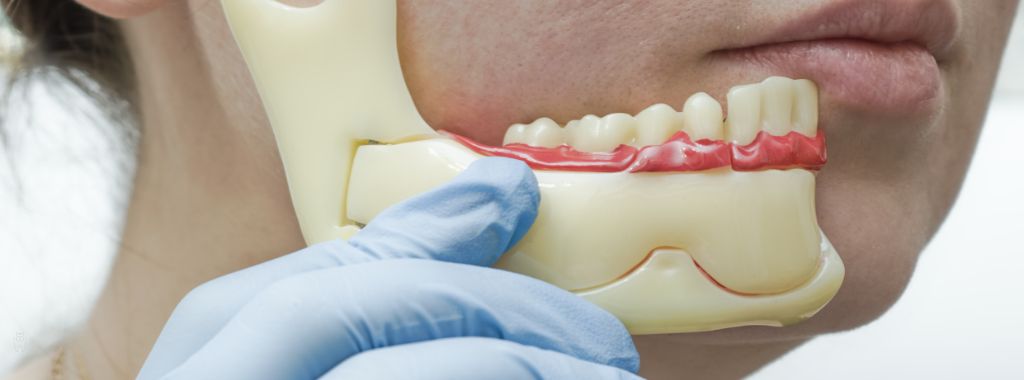
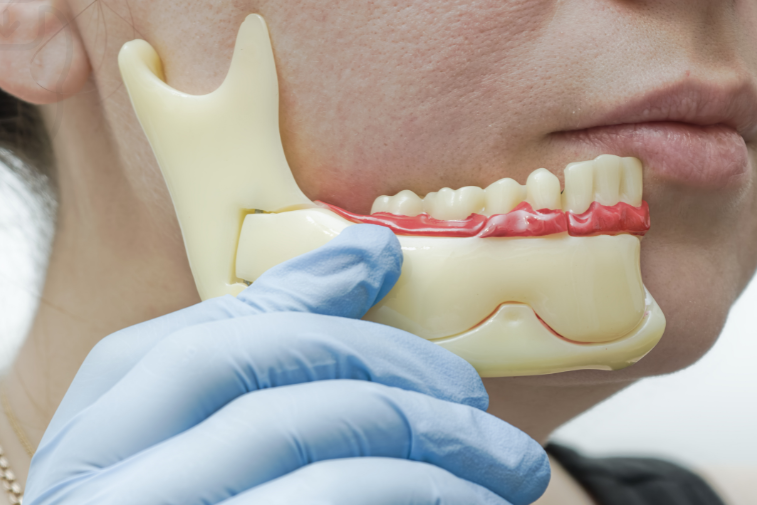
Jawbone grafting is a procedure where bone material or bone substitute material is placed in an area of the jaw that needs additional support or volume. The aim is to help rebuild or support the jawbone so it may become more suitable for a future dental implant or to preserve bone after extraction in selected cases. It is not required for every patient who needs dental implants. It is recommended only when examination or imaging shows that the existing bone is not enough or needs reinforcement.
The material used for grafting can come from different sources depending on the dentist’s assessment and the available options. What matters for the patient is that the material and technique are selected based on the size of the defect, the location of the missing tooth, the treatment goal, and the patient’s overall condition. The dentist explains the suitable options before treatment begins.
Jawbone grafting does not always mean that a new tooth will be placed immediately. In many cases, it is a preparation stage before dental implant treatment. In other cases, it may be used to preserve the bone after a tooth extraction or support a specific area of the jaw. Some cases are simple, while others need several months of healing before the next step can begin.
Why Does Jawbone Loss Happen?
The jawbone receives stimulation from natural tooth roots during chewing. When a tooth is missing and the space remains untreated for a long time, the bone in that area may slowly shrink. The patient may not notice this change from the outside, but it can become clear when planning dental implants. The dentist may find that the bone does not provide enough support for an implant.
Jawbone loss may also occur because of advanced gum disease, infection around tooth roots, a previous difficult extraction, or injury to the jaw. Some patients naturally have thinner bone in certain areas, especially in parts of the upper or lower jaw. These areas need careful assessment before planning implant placement or any restorative treatment.
Bone loss does not always mean that dental implants are impossible. It means the plan may need preparation or adjustment. In some cases, jawbone grafting can help support the area. In other cases, the dentist may discuss alternatives such as dental bridges or other replacement options depending on the patient’s oral condition and preferences.
When May You Need Jawbone Grafting?
The dentist may recommend jawbone grafting in several situations, including:
- Not enough jawbone support before dental implant placement.
- A tooth has been missing for a long time and the bone has reduced in that area.
- The need to preserve bone after extracting a damaged tooth if an implant may be planned later.
- Previous infection or gum disease has affected the supporting bone.
- A difficult extraction or fractured tooth has left a bone defect.
- The implant area needs support before implant placement.
- Imaging shows that a specific area needs additional bone support.
- A front tooth replacement needs careful planning because gum and bone shape are important for appearance.
Having one of these situations does not always mean that a bone graft is definitely required. The decision depends on examination and imaging. Some patients have enough bone, some need only limited support, and others need a more detailed plan before implant placement.
Jawbone Grafting and Dental Implants
Dental implants need enough bone to hold the implant fixture and handle chewing pressure after the crown or restoration is placed. If the bone is too thin, too low, or not suitable, the implant may not have the support it needs. Jawbone grafting may help in some cases by improving the bone foundation before or during dental implant planning.
Not every patient needs bone grafting before implants. Some patients have enough bone and can continue directly with implant planning after assessment. Others may need gum treatment,
teeth cleaning, extraction, or a healing period first. Some patients need a bone graft and then a waiting period before the implant can be placed. The dentist decides this based on the missing tooth location, amount of bone, gum quality, general health, and the number of teeth to be replaced.
Patients should understand that bone grafting may extend the total treatment timeline, but it may be necessary in selected cases to create better support for the implant. For this reason, the dentist explains the expected stages and timeline before treatment starts.
Is Jawbone Grafting Suitable for Everyone?
Jawbone grafting is not the same for every patient. Some patients need only a small amount of support, while others need a more complex treatment plan. In some situations, bone grafting may not be the best option at the first visit, especially if general health is not stable, if the patient cannot maintain oral hygiene or follow-up visits, or if active gum infection, heavy smoking, or uncontrolled diabetes need to be managed first.
Before recommending bone grafting, the dentist asks about medical history, medications, allergies, smoking, and previous dental or oral surgery experiences. This information helps reduce risk and supports safe planning. If a medical condition needs coordination with another doctor, this should be discussed before the procedure.
Patient expectations are also important. Jawbone grafting is not a guaranteed result for every case. It is a procedure that may help prepare the area for the next treatment stage. Healing and response vary from one patient to another depending on age, general health, size of the defect, oral care, smoking, and follow-up.
Types of Jawbone Grafting Based on the Treatment Goal
Jawbone grafting can be used for different goals. In some cases, bone material is placed after tooth extraction to help preserve the socket shape, especially if the patient may consider a dental implant later. In other cases, bone grafting is performed before implant placement when imaging shows that there is not enough bone. In selected cases, grafting may be done at the same time as implant placement if the defect is limited and the condition is suitable.
The upper jaw may need special assessment in some areas because of the sinus. The lower jaw may need careful review because of the position of nerves. This is why the exact procedure cannot be selected without examination and imaging. The aim is to create a better environment for future replacement treatment, not to perform grafting without a clear need.
The dentist explains whether the grafting procedure is expected to be simple or whether it needs a longer healing period. The dentist also explains whether the implant can be placed at the same appointment or in a later stage. This helps the patient understand the treatment timeline and expectations.
Steps of Jawbone Grafting
The exact steps of jawbone grafting vary depending on the patient’s condition, but the treatment plan usually follows an organized process.
1. Examination and Bone Assessment
The dentist starts by examining the mouth, the missing tooth area, or the tooth that may need extraction. Gum condition, neighboring teeth, bite, infection, and bone support are assessed. Dental imaging may be requested to check the amount of remaining bone and the position of important structures such as nerves or sinuses depending on the area.
2. Explaining the Plan and Alternatives
After assessment, the dentist explains why bone grafting may be needed, what the aim of the procedure is, and whether other options may be considered, such as a dental bridge or a different implant plan. The expected healing time is also discussed, including whether the implant may be placed at the same stage or after healing.
3. Preparing the Mouth for Treatment
Some patients may need teeth cleaning, gum treatment, decay treatment, or extraction of a damaged tooth before grafting. The aim is to reduce infection and improve the oral environment before placing the bone material. If active infection is present, the dentist may recommend treating it before proceeding.
4. Placing the Bone Material
The bone material is placed in the area that needs support. It may be covered or protected in a suitable way depending on the case. Local anesthesia is commonly used to reduce discomfort during the procedure. The exact details depend on the size of the defect, its location, and the future implant plan.
5. Protecting and Closing the Area
After placing the graft material, the area is closed or covered as needed. Stitches may be placed in some cases. The dentist then provides clear home care instructions. Following these instructions is important to protect the grafted area and support healing.
6. Follow-Up and Healing Period
After the procedure, follow-up visits are scheduled according to the dentist’s recommendation. Healing time varies from one patient to another. Some cases may require several months before dental implant placement can begin. The dentist decides the right timing based on examination and imaging when needed.
Is Jawbone Grafting Painful?
Jawbone grafting is usually performed under local anesthesia depending on the case. The aim is to reduce pain during the procedure. The patient may feel pressure or mild discomfort during treatment. After the anesthesia wears off, mild pain, swelling, or sensitivity may appear in the area. The level of discomfort varies depending on the size and location of the graft and the patient’s condition.
The dentist provides aftercare instructions and may recommend medication depending on the patient’s needs. If pain becomes worse instead of improving, or if severe swelling, continuous bleeding, unpleasant smell, or discharge appears, the patient should contact the clinic for review. Strong or unusual symptoms should not be ignored, and medication should not be taken without professional advice.
Aftercare After Jawbone Grafting
Aftercare after jawbone grafting is important because it supports healing and helps reduce the risk of complications. Instructions vary depending on the case, but general advice may include:
- Follow the dentist’s instructions after the procedure.
- Avoid strong pressure or chewing on the grafted area at the beginning.
- Eat soft foods during the first days if recommended.
- Avoid very hot food and drinks during the first hours.
- Do not touch the area with your tongue or fingers.
- Avoid smoking because it may affect healing.
- Clean the mouth gently as instructed.
- Do not miss follow-up appointments.
- Contact the clinic if severe pain, swelling, or bleeding continues.
These are general instructions and do not replace the dentist’s specific advice. Every case is different depending on graft size, location, and the next treatment stage.
Healing Time After Jawbone Grafting
Healing time after jawbone grafting varies from one patient to another. The soft tissue may feel better within a shorter period, but the bone usually needs a longer time before it is ready for the next stage. Some cases may need several months, while larger or more complex grafts may need a longer healing period depending on the size of the graft and the patient’s healing response.
The next stage, such as dental implant placement, is not decided by time alone. The dentist reassesses the area and may use imaging to confirm whether the bone is ready. Patients should avoid rushing the plan, because allowing enough healing time may be an important part of treatment success.
Jawbone Grafting After Tooth Extraction
In some cases, the dentist may recommend jawbone grafting after removing a damaged tooth, especially if the patient may consider a dental implant later. The aim may be to preserve the bone volume in the extraction site and reduce the bone shrinkage that can happen over time. This does not mean every extraction needs bone grafting, but it may be suitable in selected cases after assessment.
If the tooth being removed is in an important chewing or smile area, the dentist may discuss the replacement plan before extraction. Early planning helps decide whether grafting should be done at the time of extraction, after healing, or not at all. It also helps the patient understand the treatment stages and expected timeline before reaching the final replacement.
Jawbone Grafting Before Dental Implants
When the jawbone is not enough to support an implant, the patient may need bone grafting before dental implant placement. In this case, the bone material is placed first, and the area is allowed to heal. After healing, the dentist reassesses the bone to determine whether it is suitable for implant placement.
Some patients may feel that this stage delays treatment, but it can be necessary in certain cases. Placing an implant without enough bone support may not be suitable. A carefully planned treatment path is often better than rushing the process. Each stage is planned according to the patient’s condition, not according to one fixed schedule.
Risks and Important Notes
Like any medical procedure, jawbone grafting may involve possible risks such as pain, swelling, bleeding, infection at the treatment site, or failure of the graft to integrate as expected in some cases. Factors such as smoking, poor oral hygiene, certain medical conditions, or not following instructions may affect healing.
Before the procedure, patients should tell the dentist about regular medications, chronic conditions, allergies, smoking, and previous oral surgery experiences. Follow-up visits are important because they help detect concerns early. If unusual symptoms appear, the patient should contact the dentist instead of waiting or trying unsuitable home solutions.
Are There Alternatives to Jawbone Grafting?
In some cases, there may be alternatives depending on the treatment goal. If the patient wants to replace a missing tooth, the dentist may discuss options such as a dental bridge, removable replacement, or a different implant plan. If the bone defect is minor, different techniques may be suitable depending on the assessment. However, if the goal is dental implant placement in an area with insufficient bone, grafting may be an important step in some cases.
The choice of alternative does not depend only on patient preference. It also depends on gum health, bone support, neighboring teeth, bite, general health, and expected outcome. The dentist explains the benefits and limitations of each option so the patient can understand the treatment plan clearly.
Jawbone Grafting as Part of Dental Treatment Services
Jawbone grafting is connected to several other dental treatment services. Before grafting, the patient may need dental X-rays and examination, teeth cleaning, gum care, simple or
surgical tooth extraction, or decay treatment. After grafting, the patient may move to dental implant placement, a crown over an implant, or another replacement option such as a bridge depending on the treatment plan.
Connecting these services helps patients understand the full treatment journey, from examination to bone preparation and then final tooth replacement. It also shows that jawbone grafting is not separate from the rest of dental care. It may be one step in a larger plan to replace missing teeth in a way that suits the patient’s condition.
Why Choose Basmat Al Hayat Medical Center for Jawbone Grafting?
At Basmat Al Hayat Medical Center, jawbone grafting starts with a clear assessment of the mouth, not with a direct recommendation without examination. The dentist evaluates the gums, bone, neighboring teeth, and dental imaging when needed. The reason for bone grafting and the expected treatment steps are explained to the patient. If suitable alternatives are available, they are discussed before a decision is made.
The service is available at our Muwailih – Sharjah and Ras Al Khaimah branches, making it easier for patients to choose the nearest location. Having other dental treatment services available at the center also helps complete the treatment plan if the patient needs extraction, dental implants, crowns and bridges, teeth cleaning, or other dental care based on the dentist’s assessment.
Basmat Al Hayat Medical Center Branches
Muwailih Branch – Sharjah
Sheikh Khalifa Street, Muwailih Commercial
Customer Service: 065597444
Reception: 0544449500
Working Hours: Saturday to Thursday, 9:00 AM to 9:00 PM
Ras Al Khaimah Branch
Al Dhait Area – Agencies Street
Customer Service: 072222256
Reception: 0506462004
Working Hours: Saturday to Thursday, 9:00 AM to 9:00 PM
Friday: 12:00 PM to 8:00 PM
Booking a Jawbone Grafting Appointment
If you are planning dental implants or have been told that your jawbone may not be enough to support an implant, you can contact Basmat Al Hayat Medical Center to arrange an examination at our Muwailih or Ras Al Khaimah branch. After examination and imaging when needed, the dentist will explain whether jawbone grafting is suitable for your condition and what steps may be needed before dental implant placement or another tooth replacement option.
Jawbone Grafting FAQ
Is jawbone grafting needed before every dental implant?
No. Some patients have enough bone for implant placement without grafting. The dentist needs examination and imaging to confirm whether the bone is suitable or needs support.
Is jawbone grafting painful?
The procedure is usually performed under local anesthesia to reduce pain during treatment. Mild pain or swelling may happen afterward depending on the case, and the dentist provides suitable aftercare instructions.
How long does healing take after a bone graft?
Healing time varies depending on graft size, location, and the patient’s health. Some cases may need several months before dental implant placement can begin.
Can the implant be placed at the same time as the bone graft?
In some cases, this may be possible if the defect is limited and the condition is suitable. In other cases, the patient needs to wait for the graft to heal first.
What happens if there is not enough bone for an implant?
The dentist may discuss jawbone grafting or other options such as a dental bridge or removable replacement depending on the patient’s oral condition and needs.
Does smoking affect jawbone grafting?
Smoking may affect tissue and bone healing. Patients should tell the dentist if they smoke and follow the instructions recommended before and after the procedure.
Do I need X-rays before jawbone grafting?
In most cases, dental imaging is needed to assess bone volume and the location of nerves or sinus areas before planning treatment.