Root Canal Cleaning in Muwailih and Ras Al Khaimah
Root canal cleaning is an essential step within
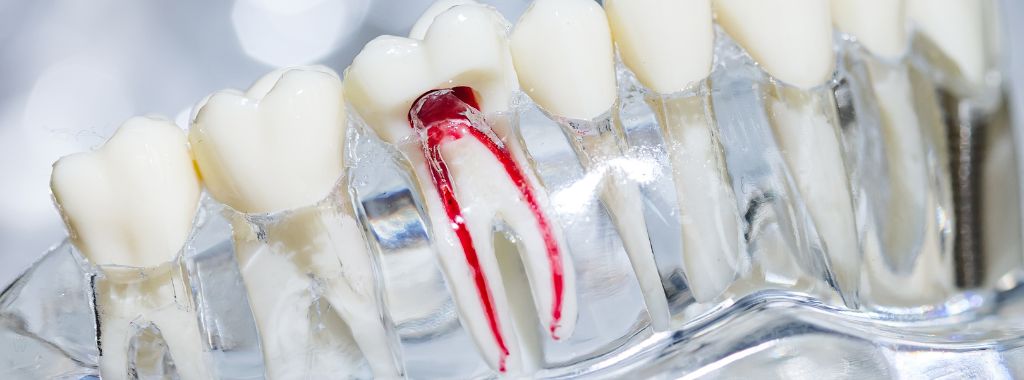
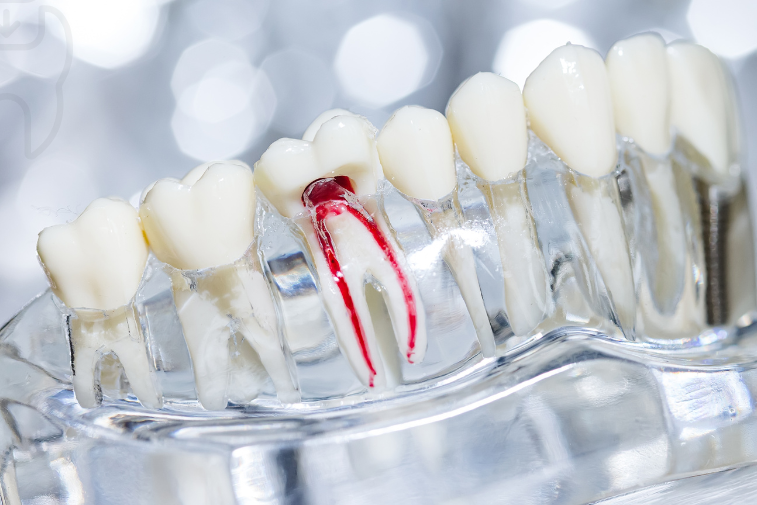
root canal treatment. It focuses on cleaning the internal canals inside the tooth roots and removing inflamed tissue, bacteria, and damaged material from inside the tooth. When tooth decay or infection reaches the inner part of the tooth, a normal filling or surface treatment may not be enough, because the main problem is inside the root canals. In this situation, the dentist needs to access the canals, clean them, shape them, and prepare them before sealing them properly.
At Basmat Al Hayat Medical Center, we provide root canal cleaning as part of our dental treatment services at our Muwailih – Sharjah and Ras Al Khaimah branches. The visit starts with an examination of the tooth and a review of the patient’s symptoms. Dental X-rays may be needed to understand the root shape, depth of decay, and number of canals inside the tooth. After diagnosis, the dentist explains whether root canal cleaning is suitable for the case, how many visits may be needed, and whether the tooth may require a permanent filling or crown after treatment.
This service is important because it can help preserve the natural tooth whenever the tooth condition allows. It also helps address the internal source of infection instead of only reducing pain temporarily. However, the need for root canal cleaning can only be confirmed after examination, because tooth pain may be caused by simple decay, gum inflammation, tooth sensitivity, or nerve infection.
What Is Root Canal Cleaning?
Root canals are the internal spaces inside the roots of the tooth. In a healthy tooth, these spaces contain pulp tissue, nerves, and tiny blood vessels. When deep decay, a tooth fracture, a leaking old filling, or trauma affects the tooth, inflammation may reach this inner area. The patient may then feel strong pain, long-lasting sensitivity to hot or cold drinks, pain while chewing, or swelling in the gum around the tooth.
Root canal cleaning means that the dentist removes damaged tissue from inside these canals, cleans and disinfects them, and shapes them so they can be filled and sealed. This procedure requires careful assessment because the number and shape of canals vary from one tooth to another. Front teeth may be simpler in some cases, while back molars may have several narrow canals that need more time and precision.
Root canal cleaning is part of root canal treatment, but it specifically refers to the stage of cleaning and preparing the internal canals. After this stage, the canals are filled, the tooth is sealed, and the dentist decides the suitable final restoration based on the remaining tooth structure and strength.
Why Is Root Canal Cleaning Important?
Root canal cleaning is important because infection inside the tooth usually cannot be managed by cleaning only the outside surface or placing a normal filling when the nerve is affected. If the source of pain is inside the canals, the dentist needs to clean this internal space to treat the main cause of the problem.
If the canals are not cleaned properly in cases that need this treatment, pain may continue or return later. Infection may also spread toward the root tip or surrounding tissues, and swelling or an abscess may appear in some cases. This is why early diagnosis and treatment are important for protecting the tooth and reducing the risk of the condition becoming more complicated.
Root canal cleaning also prepares the tooth for final restoration. After the canals are cleaned, the tooth may need a filling or a crown. The dentist decides this based on how strong the remaining tooth is. The goal is not only to reduce pain, but also to help the tooth continue functioning as well as possible within the limits of its condition.
When May You Need Root Canal Cleaning?
The dentist may recommend root canal cleaning when there are signs of inflammation or damage inside the tooth. Symptoms that may require examination include:
- Continuous or repeated tooth pain.
- Pain that becomes worse when chewing or pressing on the tooth.
- Strong and long-lasting sensitivity to hot or cold drinks.
- Deep decay close to the nerve.
- A tooth fracture that reaches the inner part of the tooth.
- Swelling or redness in the gum around the tooth.
- A small bump or abscess near the root area.
- A change in tooth color compared with nearby teeth.
- Pain returning in a tooth that was previously filled or treated.
Having these symptoms does not always mean that root canal cleaning is required, but it means that a dental examination is important. Sometimes the cause may be a high filling, gum inflammation, or sensitivity caused by gum recession. The dentist confirms the diagnosis after examination and X-rays when needed.
Root Canal Cleaning vs. Root Canal Treatment
Many patients use the terms root canal treatment and root canal cleaning in the same way. This is understandable because both are closely connected. Root canal treatment is the full process of treating an affected tooth pulp and root canals. Root canal cleaning is a specific stage within that process, where the dentist removes inflamed tissue, cleans the canals, and prepares them for filling.
In simple words, root canal treatment includes diagnosis, opening the tooth, cleaning the canals, filling the canals, and restoring the tooth. Root canal cleaning focuses on the internal cleaning stage. This service page explains that stage in detail, but in most cases it is part of a complete root canal treatment plan.
This explanation helps patients understand why more than one step may be needed. A normal filling may not be enough if the canals are infected or inflamed. The treatment plan may also not be complete without filling the canals and restoring the tooth after cleaning.
How Is Root Canal Cleaning Done?
The exact steps may vary depending on the tooth condition, but root canal cleaning usually follows an organized process that helps the dentist access and clean the canals carefully.
1. Examination and Diagnosis
The dentist starts by listening to the patient’s complaint and understanding the type and duration of pain. The tooth and gums are then examined. Dental X-rays may be used to check the depth of decay, number of roots, canal shape, and whether there is inflammation around the root. This step helps determine whether the tooth can be treated or whether another option is needed.
2. Local Anesthesia and Tooth Preparation
In most cases, local anesthesia is used before starting to reduce discomfort. The dentist then prepares the tooth and accesses the internal area. The approach may vary depending on the tooth location, old fillings, or existing fractures.
3. Opening the Tooth and Accessing the Canals
The dentist creates a small opening to reach the pulp chamber and root canals. This step requires precision so the dentist can reach the canals while preserving as much healthy tooth structure as possible.
4. Removing Damaged Tissue
After accessing the canals, the dentist removes inflamed or damaged tissue from inside the tooth. This stage helps reduce the internal source of pain and infection and prepares the tooth for further cleaning.
5. Cleaning and Disinfecting the Canals
The canals are cleaned using special dental instruments and materials depending on the case. The aim is to reduce bacteria and clean the internal spaces as much as possible. Some canals are straight and easier to clean, while others are narrow or curved and may need more time and care.
6. Shaping the Canals for Filling
After cleaning, the canals are shaped so they can be filled properly. This step is important because poorly prepared canals may not receive the filling material properly. The dentist chooses the suitable method based on the length, shape, and number of canals.
7. Filling the Canals and Sealing the Tooth
After cleaning and shaping, the canals are filled with a suitable material, and the tooth is sealed with a temporary or permanent filling depending on the treatment stage. In some cases, the dentist may recommend a crown to protect the tooth if it is weak or has lost a large part of its structure.
Does Root Canal Cleaning Need More Than One Visit?
Root canal cleaning and filling may be completed in one visit in some cases, while other cases may need two or more visits. This depends on the level of infection, number of canals, presence of an abscess, difficulty of canal access, and the condition of the tooth after cleaning.
Some teeth need follow-up between visits if infection is severe or if the dentist wants to make sure the condition improves before the final sealing. It is important to follow the plan recommended by the dentist and avoid delaying visits, because postponing completion of treatment may cause pain to return or the tooth to become contaminated again.
Is Root Canal Cleaning Painful?
Root canal cleaning is usually performed under local anesthesia. The aim of the procedure is to remove the source of pain, not to increase it. The patient may feel pressure or mild discomfort during treatment, and mild sensitivity or pain may appear after the visit, especially if the tooth was inflamed before treatment. The dentist explains what to expect after the procedure and when to contact the clinic.
If strong pain continues or swelling appears after the visit, the patient should contact the dentist. Sometimes the tooth may need adjustment of a temporary filling, follow-up of infection, or completion of the remaining treatment steps. Early communication helps reduce the risk of complications.
What Happens If Root Canals Are Not Cleaned When Needed?
If the nerve is infected or damaged and the canals are not treated, pain may continue or infection may progress. In some cases, infection can reach the root tip and surrounding tissues, leading to swelling or an abscess. Over time, saving the tooth may become more difficult, and extraction may be needed if the tooth structure or roots are no longer suitable for treatment.
This does not mean every toothache requires root canal treatment, but it shows the importance of diagnosis. Relying on painkillers for a long time without examination may delay suitable care. If pain is repeated or comes with swelling or strong sensitivity, it is better to book a dental checkup.
Aftercare After Root Canal Cleaning
After root canal cleaning, the patient should follow the dentist’s instructions until the full treatment plan is completed. The tooth may be closed with a temporary filling and may need another visit for final filling or crown placement. Ignoring this stage may expose the tooth to fracture or contamination.
General aftercare tips may include:
- Avoid strong chewing on the treated tooth until the final restoration is completed.
- Keep the follow-up appointments recommended by the dentist.
- Contact the clinic if the temporary filling breaks or falls out.
- Brush and clean between your teeth daily.
- Do not ignore strong pain or swelling after the visit.
- Complete the permanent filling or crown if recommended by the dentist.
- Keep regular dental checkups even after treatment is completed.
Root Canal Cleaning for Children
Some children may need internal tooth treatment or canal cleaning depending on the type of tooth and level of decay. Treatment in baby teeth is different from treatment in permanent teeth, so the suitable plan can only be decided after examination. If the child has pain, swelling, or deep decay, early examination is important to prevent the condition from getting worse.
At Basmat Al Hayat Medical Center, children are assessed in an age-appropriate way, and the treatment plan is explained clearly to parents. The plan may include
baby tooth decay treatment, fillings, pulp treatment, fluoride protection, or preventive follow-up depending on the child’s condition.
Does the Tooth Need a Crown After Root Canal Cleaning?
Some teeth may need a crown after root canal cleaning, especially if they are weak or have lost a large part of their structure because of decay or fracture. Back molars carry stronger chewing pressure, so the dentist may recommend a crown to protect the tooth and reduce the risk of fracture. In some front teeth or simpler cases, a suitable restoration may be enough depending on the dentist’s assessment.
A crown is not recommended only for cosmetic reasons. It may be part of protecting the tooth after treatment. The dentist explains why a crown may be needed and the suitable time for placement after root canal treatment is completed.
How to Reduce the Risk of Root Canal Problems
Prevention starts with treating decay early before it reaches the nerve. Daily brushing, cleaning between the teeth, reducing sugar intake, and visiting the dentist when sensitivity or pain appears can help reduce the chance of the problem reaching the root canals. Regular
teeth cleaning and checking old fillings can also help detect leakage or new decay before it becomes deep.
If you have an old filling, a broken tooth, or pain that comes and goes, do not wait until the pain becomes continuous. Early examination may make treatment simpler and may help avoid root canal treatment in some cases.
Basmat Al Hayat Medical Center Branches
Muwailih Branch – Sharjah
Sheikh Khalifa Street, Muwailih Commercial
Customer Service: 065597444
Reception: 0544449500
Working Hours: Saturday to Thursday, 9:00 AM to 9:00 PM
Ras Al Khaimah Branch
Al Dhait Area – Agencies Street
Customer Service: 072222256
Reception: 0506462004
Working Hours: Saturday to Thursday, 9:00 AM to 9:00 PM
Friday: 12:00 PM to 8:00 PM
Booking a Root Canal Cleaning Appointment
If you have continuous tooth pain, strong sensitivity, swelling around a tooth, or deep decay, you can contact Basmat Al Hayat Medical Center to arrange a dental examination at our Muwailih or Ras Al Khaimah branch. After examination and X-rays when needed, the dentist will explain whether root canal cleaning is suitable for your condition as part of root canal treatment.
Root Canal Cleaning FAQ
Is root canal cleaning the same as root canal treatment?
Root canal cleaning is an important stage within root canal treatment. The full treatment includes diagnosis, cleaning the canals, filling them, and restoring the tooth when needed.
Is root canal cleaning painful?
The procedure is usually performed under local anesthesia to reduce discomfort. Mild sensitivity or discomfort may happen after the visit depending on the tooth condition.
How many visits does root canal cleaning need?
The number of visits depends on the tooth type, number of canals, and level of infection. Some cases can be completed in one visit, while others need more than one visit.
Do I need a crown after root canal cleaning?
A crown may be needed if the tooth is weak or has lost a large part of its structure. The dentist confirms this after assessing the tooth after treatment.
What happens if I delay root canal treatment?
Pain may continue, and infection may spread to the root and surrounding tissues. Swelling or an abscess may appear in some cases, so examination is recommended when pain continues.
Can children have root canal cleaning?
Some children may need internal tooth treatment depending on the tooth type and level of decay. The treatment plan is decided after examination and explanation to the parents.