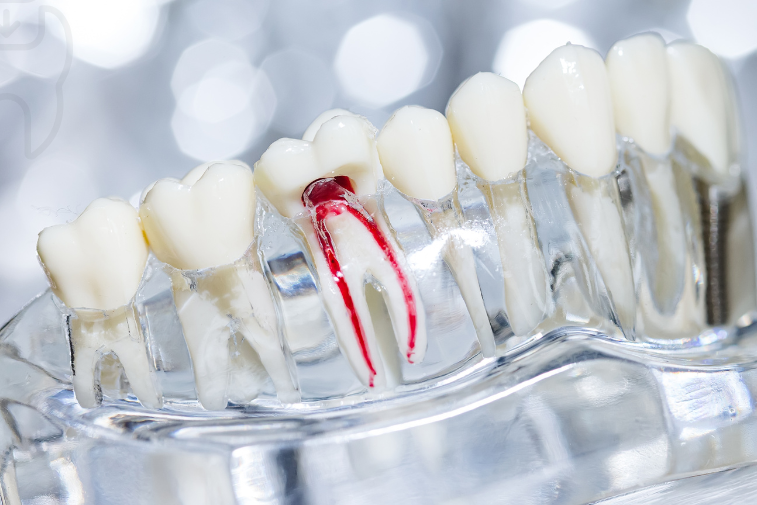
Surgical Tooth Extraction at Basmat Al Hayat Medical Center
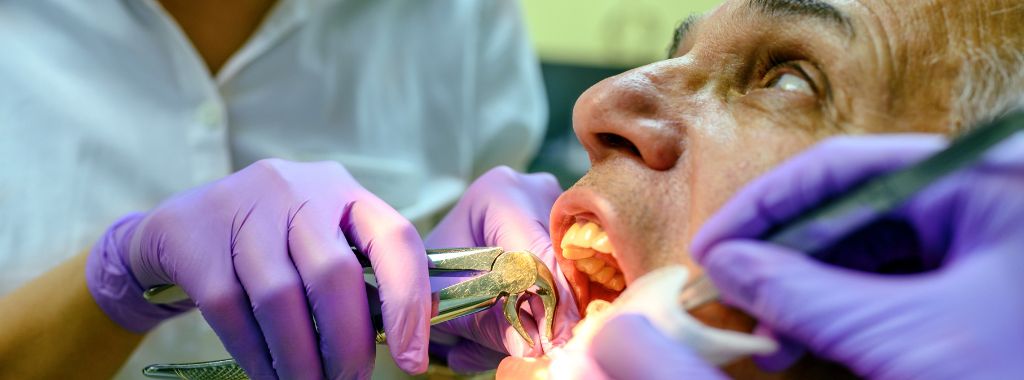
Surgical Tooth Extraction in Muwailih and Ras Al Khaimah
Surgical tooth extraction is a dental procedure used when a tooth cannot be removed easily with a simple extraction. This may happen when the tooth is impacted under the gum or bone, broken below the gum line, difficult to access, or positioned in a way that requires additional planning. It may also be needed for some wisdom teeth, remaining roots, or teeth with complex root shapes. In these cases, the dentist does not depend only on how the tooth looks from the outside. A clinical examination and dental X-rays are usually needed to plan the suitable approach.
At Basmat Al Hayat Medical Center, we provide surgical tooth extraction as part of our dental treatment services at our Muwailih – Sharjah and Ras Al Khaimah branches. The visit starts with a detailed assessment of the tooth, the reason for pain or infection, the tooth position, the root shape, and the condition of the surrounding gum and bone. After the assessment, the dentist explains why surgical extraction may be recommended, how it differs from simple extraction, and what the patient should know before and after the procedure.
The purpose of surgical tooth extraction is not to remove a tooth quickly, but to manage complex dental cases in an organized way while protecting the surrounding tissues as much as possible. The decision is made after examination, not based on pain alone. Some teeth can still be treated with fillings, root canal treatment, or restoration. Other teeth may not be suitable for preservation, and surgical extraction may be one of the options discussed with the patient.
What Is Surgical Tooth Extraction?
Surgical tooth extraction is the removal of a tooth or part of a tooth through a more advanced approach than a simple extraction. In a simple extraction, the tooth is visible and can usually be removed without additional surgical steps. In a surgical extraction, the dentist may need to access the tooth through the gum, remove a small amount of surrounding bone, section the tooth into smaller pieces, or remove roots that cannot be reached easily with a standard extraction technique.
This procedure may be suitable for impacted teeth, wisdom teeth that are not fully erupted, teeth broken under the gum line, remaining roots, or teeth with curved or complicated roots. The word surgical does not always mean the case is dangerous. It simply means that the tooth needs more planning and a different removal method than a simple extraction.
Before treatment, the dentist reviews the patient’s medical history, current medications, allergies, chronic conditions, and general oral health. These details are important because some patients may need extra precautions, especially if they take blood-thinning medication, have certain medical conditions, or require medical coordination before the procedure.
When May You Need Surgical Tooth Extraction?
The dentist may recommend surgical extraction when the tooth cannot be removed comfortably or safely through a simple extraction. Common situations may include:
- A wisdom tooth that is fully or partially impacted under the gum or bone.
- A tooth broken below the gum line.
- Remaining roots after a tooth has fractured or decayed.
- Curved, long, or difficult roots close to nearby teeth.
- Repeated infection around a wisdom tooth or damaged tooth.
- A tooth that cannot be restored with a filling, root canal treatment, or crown.
- Pain or swelling related to a tooth in a difficult position.
- Tooth removal needed as part of an orthodontic or dental treatment plan when suitable.
Having one of these conditions does not always mean surgical extraction is the only option. In some cases, another dental treatment may be possible. In other cases, extraction may be the more suitable option to protect oral health. The decision depends on examination, X-rays, symptoms, and the overall condition of the tooth.
Simple Tooth Extraction vs. Surgical Tooth Extraction
Simple tooth extraction is usually used when the tooth is visible and can be reached easily. The dentist can remove it without additional surgical steps. Surgical tooth extraction is used when the situation is more complex, such as an impacted tooth, a tooth broken under the gum, or roots that cannot be removed easily.
The difference is not always related to the amount of pain. A painful tooth may still be suitable for simple extraction, while a tooth that does not cause pain may need surgical extraction because of its position, shape, or relation to nearby structures. This is why dental X-rays are important when planning the procedure.
After examination, the dentist explains whether the case needs simple or surgical extraction. The dentist also explains the expected steps, complexity level, aftercare instructions, and whether the patient may need follow-up or tooth replacement planning after healing.
Wisdom Teeth and Surgical Extraction
Wisdom teeth are commonly associated with surgical extraction because they may come in at an incorrect angle, remain impacted under the gum or bone, or press against the tooth next to them. Some wisdom teeth erupt normally and do not need removal. Others may need examination if they cause pain, swelling, difficulty cleaning, repeated gum infection, or pressure on nearby teeth.
When a wisdom tooth is impacted, the visible part in the mouth may not show the full problem. The dentist may use X-rays to check the direction of the tooth, the number and shape of roots, its distance from nerves or the sinus in some cases, and the condition of the surrounding bone. Based on this assessment, the dentist decides whether extraction is needed and whether the procedure requires a surgical approach.
It is important not to remove a wisdom tooth only because it exists. It is also important not to ignore repeated pain or swelling around a wisdom tooth. Examination helps determine whether the tooth needs monitoring, cleaning, gum care, or surgical extraction.
How Is Surgical Tooth Extraction Done?
The exact steps vary depending on the tooth condition and location, but surgical extraction usually follows an organized process.
1. Examination and Understanding the Patient’s Symptoms
The dentist starts by understanding the patient’s complaint. The patient may have pain, swelling, difficulty opening the mouth, bad taste, or repeated inflammation. The dentist then examines the tooth and surrounding area. This helps identify whether the problem is related to the tooth, gums, nearby teeth, or another cause.
2. X-Rays and Tooth Position Assessment
Dental X-rays are one of the most important steps in planning surgical extraction. They help the dentist check root shape, tooth direction, surrounding bone, distance from nearby teeth or nerves, and whether there is infection around the root. The type of imaging depends on the case. A simple X-ray may be enough in some situations, while other cases may need a clearer or wider image.
3. Explaining the Treatment Plan
Before the procedure, the dentist explains why extraction is recommended, what steps may be expected, whether the case is simple or complex, and what aftercare instructions should be followed. If alternatives are suitable, such as root canal treatment, restoration, or monitoring, these options are explained based on the tooth condition.
4. Local Anesthesia and Area Preparation
Local anesthesia is usually used to reduce pain during the procedure. The patient may feel pressure or movement, but the aim is to keep the procedure as comfortable as possible. If the patient feels nervous or has had a difficult dental experience before, it is helpful to tell the dentist before starting so the visit can be managed calmly.
5. Accessing and Removing the Tooth
In some cases, the dentist may need to make a small opening in the gum to reach the tooth. A small amount of surrounding bone may need to be removed, or the tooth may be divided into smaller sections to make removal easier. These steps depend on the tooth position and are not required in every case.
6. Cleaning the Area and Closing When Needed
After the tooth is removed, the dentist cleans the extraction site and checks the area. Stitches may be placed in some cases to help close the gum. Gauze is then placed, and the patient receives clear instructions for home care.
Is Surgical Tooth Extraction Painful?
Surgical tooth extraction is usually performed under local anesthesia, so the patient should not feel sharp pain during the procedure. Pressure or movement may be felt. After the anesthesia wears off, pain, swelling, or discomfort may appear at different levels depending on the difficulty of the case and the tooth location. The dentist explains how to manage symptoms based on the patient’s condition.
Every patient’s experience is different. Some patients improve quickly, while others may need several days for discomfort to reduce. Following the dentist’s instructions after extraction helps support healing and may reduce the chance of issues such as ongoing bleeding or dislodging of the blood clot.
If pain becomes worse after two or three days instead of improving, or if a bad taste, bad smell, or noticeable swelling appears, the patient should contact the dentist for assessment. Severe pain should not be ignored or managed with painkillers for a long time without review.
What Should You Expect After Surgical Tooth Extraction?
After the procedure, the patient may feel numbness until the local anesthesia wears off. Mild bleeding at the beginning is common, and the dentist may place gauze over the area and ask the patient to bite on it for a specific period. Mild to moderate swelling may also appear, especially after wisdom tooth removal or impacted tooth extraction.
Chewing on the same side may be uncomfortable in the first days. The dentist may recommend soft foods that are easy to chew and advise avoiding hard, crunchy, or very hot foods at the beginning. Strong physical activity may also need to be avoided for the first period if the dentist recommends this.
In some cases, the dentist may prescribe medication or provide specific instructions based on the patient’s health. Patients should follow the dentist’s instructions and avoid taking additional medication without asking, especially if they have allergies, take blood thinners, or have chronic medical conditions.
Important Aftercare Instructions After Surgical Extraction
Aftercare is very important after surgical tooth extraction because it helps protect the extraction site and support healing. General instructions may include:
- Bite on the gauze for the time recommended by the dentist.
- Avoid strong rinsing or forceful spitting during the first 24 hours.
- Do not touch the extraction site with your tongue or fingers.
- Avoid smoking after the procedure because it may affect healing.
- Avoid using a straw in the early period if the dentist recommends this.
- Eat soft foods and avoid chewing on the extraction side at the beginning.
- Avoid very hot food and drinks during the first hours.
- Brush gently while avoiding the extraction site directly at first.
- Contact the dentist if heavy bleeding, increasing pain, unusual swelling, or persistent bad smell appears.
These instructions are general and may differ depending on the case. The dentist’s instructions after the visit should always be considered the main reference because they are based on the type of extraction, the difficulty of the case, and the patient’s health condition.
Why Is the Blood Clot Important After Extraction?
After the tooth is removed, a blood clot forms inside the socket. This clot is important because it helps protect the bone and exposed tissues and supports the start of healing. If the clot is disturbed or does not form properly, the patient may experience significant pain and may need to visit the dentist. This is why patients are advised to avoid strong rinsing, smoking, straws, or disturbing the area during the early healing period.
In some cases, a condition known as dry socket may occur. It is often related to pain that becomes worse a few days after extraction instead of improving. If this happens, the patient should contact the dentist rather than trying to treat the area at home. The dentist can examine the site and recommend suitable care to reduce discomfort and support healing.
Eating and Drinking After Surgical Tooth Extraction
After surgical extraction, it is usually better to choose soft foods that are easy to chew in the beginning. Foods that do not require strong chewing are often more comfortable. Hard, crunchy, or very spicy foods may irritate the extraction site or get stuck in the area. It is also better to chew on the opposite side until the dentist allows normal chewing or until the patient feels comfortable.
For drinks, very hot drinks should usually be avoided during the first hours. The dentist may also recommend avoiding straws because suction can disturb the blood clot. Drinking water is important, but forceful rinsing should be avoided. As the area improves, the patient can gradually return to normal eating based on comfort and the dentist’s instructions.
Cleaning Your Mouth After Surgical Extraction
Keeping the mouth clean after extraction is important, but it should be done carefully. On the first day, the dentist may advise avoiding strong rinsing so the blood clot is not disturbed. After that, gentle rinsing with warm salt water may be allowed depending on the case. The rest of the teeth should still be brushed gently, while avoiding the extraction area directly at first.
If stitches are placed, patients should follow the dentist’s instructions about cleaning the area and follow-up visits. Some stitches dissolve on their own, while others may need removal at the clinic. Stitches should not be pulled or touched. If they move, loosen, or cause discomfort, it is better to contact the dentist.
When Should You Contact the Dentist After Surgical Extraction?
Some discomfort after surgical extraction is expected, but certain signs need dental review. These include bleeding that does not improve with pressure, severe pain that increases over time, large or increasing swelling, fever, difficulty opening the mouth, bad smell or taste from the extraction site, or concern about stitches if they were placed.
Patients should also contact the dentist if they are unsure how to use medication or how to care for the area. Asking early is better than waiting, because some issues can be managed more easily when assessed at the right time.
Do You Need to Replace the Tooth After Surgical Extraction?
After a tooth is removed, a space may remain. In some cases, tooth replacement is not needed immediately, especially with some wisdom teeth. However, if the tooth is important for chewing or affects the position of nearby teeth, the dentist may discuss replacement options such as dental implants, dental bridges, or other solutions depending on the condition of the mouth, gums, and bone.
The timing of replacement varies from one patient to another. Some cases need to wait until the extraction site heals. Other cases may require planning before extraction, especially if the patient is considering a dental implant later. Discussing this with the dentist helps make the treatment journey clearer from the beginning.
Surgical Tooth Extraction for Children and Teenagers
Some children or teenagers may need surgical extraction in specific cases, such as extra teeth, impacted teeth, or teeth that block permanent teeth from erupting properly. The decision is made only after examination and X-rays because younger patients are still growing and need careful planning.
At Basmat Al Hayat Medical Center, younger patients are assessed in an age-appropriate way, and the treatment plan is explained clearly to parents. The child or teenager may need follow-up after the procedure or coordination with orthodontic or pediatric dental care depending on the case.
How to Reduce the Chance of Needing Surgical Extraction
Not every surgical extraction can be prevented, especially with impacted wisdom teeth or complex tooth positions. However, daily oral care and early dental examination can help reduce some causes that lead to extraction, such as deep decay, gum disease, or untreated broken teeth.
Important preventive steps include brushing twice daily, cleaning between the teeth, reducing sugar intake, treating tooth decay early, visiting the dentist when pain or swelling appears, and having teeth cleaning when needed. If you have a wisdom tooth that is difficult to clean or causes repeated inflammation, early examination can help identify its position before the condition becomes more complicated.
Surgical Tooth Extraction as Part of Dental Treatment Services
Surgical tooth extraction is connected to several other services within the dental treatment category. Before the procedure, the patient may need dental X-rays and examination. In some cases, fillings, root canal treatment, or crowns may be alternatives before extraction is recommended. After extraction, the patient may need follow-up care or a replacement plan such as dental implants or dental bridges depending on the case.
Connecting these services helps patients understand the full treatment plan and helps the website link related pages clearly. This page should be internally linked to simple tooth extraction, dental X-rays, root canal treatment, dental crowns and bridges, and dental implants.
Why Choose Basmat Al Hayat Medical Center for Surgical Tooth Extraction?
At Basmat Al Hayat Medical Center, surgical tooth extraction starts with a clear assessment of the tooth condition, not a quick decision. The dentist examines the tooth, reviews X-rays when needed, and explains the reason for the procedure before starting. The dentist also provides aftercare instructions to help the patient care for the extraction site after the visit.
The service is available at our Muwailih – Sharjah and Ras Al Khaimah branches, making it easier for patients to choose the nearest location. Having other dental treatment services available at the center also allows the dentist to discuss alternatives before extraction or replacement options afterward when needed. Every recommendation is based on examination and the patient’s condition, without exaggerated promises or diagnosis before consultation.
Basmat Al Hayat Medical Center Branches
Muwailih Branch – Sharjah
Sheikh Khalifa Street, Muwailih Commercial
Customer Service: 065597444
Reception: 0544449500
Working Hours: Saturday to Thursday, 9:00 AM to 9:00 PM
Ras Al Khaimah Branch
Al Dhait Area – Agencies Street
Customer Service: 072222256
Reception: 0506462004
Working Hours: Saturday to Thursday, 9:00 AM to 9:00 PM
Friday: 12:00 PM to 8:00 PM
Booking a Surgical Tooth Extraction Appointment
If you have painful wisdom tooth symptoms, a broken tooth, swelling around a tooth, or continuous pain in a tooth that may be difficult to treat, you can contact Basmat Al Hayat Medical Center to arrange a dental examination at our Muwailih or Ras Al Khaimah branch. After examination and X-rays when needed, the dentist will explain whether surgical tooth extraction is suitable or whether other treatment options may be considered.
Surgical Tooth Extraction FAQ
Is surgical tooth extraction painful?
The procedure is usually performed under local anesthesia to reduce pain during extraction. The patient may feel pressure or movement, and pain or swelling may appear after the anesthesia wears off depending on the case.
When do I need surgical extraction instead of simple extraction?
Surgical extraction may be needed if the tooth is impacted, broken below the gum line, or difficult to access. The dentist decides the type of extraction after examination and X-rays.
Do wisdom teeth always need surgical extraction?
No. Some wisdom teeth erupt normally and do not need removal. If a wisdom tooth is impacted or causes repeated pain or inflammation, the dentist may recommend extraction depending on the case.
How long does recovery take after surgical tooth extraction?
Recovery time varies depending on the difficulty of the extraction and the patient’s condition. Some patients improve within days, while others need longer follow-up based on the dentist’s instructions.
Can I eat after surgical tooth extraction?
This depends on the dentist’s instructions. Patients are usually advised to start with soft foods and avoid hard, very hot foods and chewing on the extraction side at the beginning.
What should I do if pain increases after extraction?
If pain increases after two or three days, or if strong swelling or bad smell appears, contact the dentist to examine the extraction site and identify the cause.
Do I need to replace the tooth after surgical extraction?
It depends on the tooth type, location, and effect on chewing and nearby teeth. Some cases do not need replacement, while others may need an implant or bridge based on the dentist’s assessment.