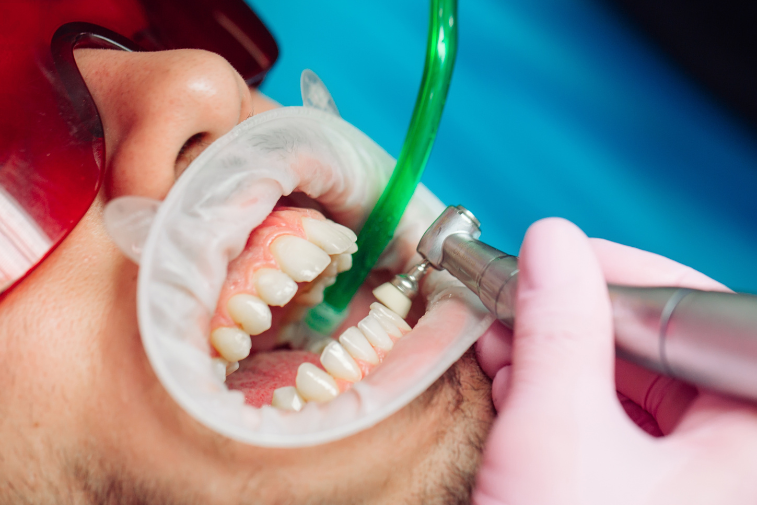
Teeth Polishing at Basmat Al Hayat Medical Center
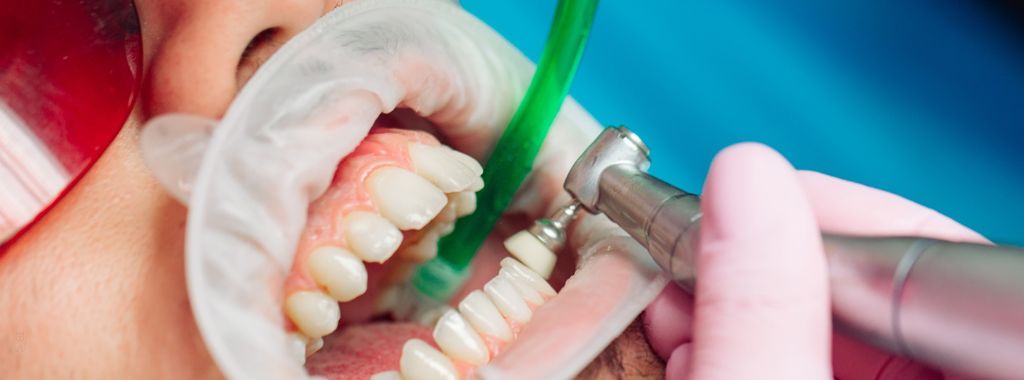
Teeth Polishing in Muwailih and Ras Al Khaimah
Teeth polishing is a supportive dental care service that helps improve the smoothness and appearance of the tooth surface, especially after scaling or professional teeth cleaning. Many patients notice that their teeth feel rough, look dull, or have surface stains from coffee, tea, smoking, colored foods, or plaque buildup. In selected cases, polishing can help the teeth feel smoother and look cleaner, but it is not the same as deep cleaning, tartar removal, or teeth whitening.
At Basmat Al Hayat Medical Center, we provide teeth polishing as part of our dental treatment and oral care services at our Muwailih – Sharjah and Ras Al Khaimah branches. The visit starts with an examination of the teeth and gums to check whether the patient needs scaling first, whether there is gum inflammation, tooth sensitivity, decay, old restorations, or another issue that should be treated before polishing. After examination, the dentist or dental professional recommends the suitable approach based on the patient’s condition.
Teeth polishing is often a simple procedure, but it should still be done in the right way and only when suitable. The goal is not to file down the teeth or change their natural shape. The aim is to smooth the outer surface and reduce certain external stains. This is why professional polishing at the clinic is different from using rough home remedies or abrasive materials that may damage enamel or irritate the gums.
What Is Teeth Polishing?
Teeth polishing is a dental procedure performed at the clinic using specific tools and polishing pastes to help make tooth surfaces smoother and brighter in appearance. It is often done after scaling, because tartar and hardened deposits should be removed before the tooth surface can be polished properly. Once the deposits are removed, the dentist can check the remaining surface stains and decide whether polishing is needed.
Polishing is different from removing tartar. Scaling or professional cleaning removes plaque, tartar, and hard deposits from the teeth and gum line. Polishing focuses more on the tooth surface after cleaning. It may help remove some external stains and reduce roughness, making the teeth feel cleaner. In some cases, cleaning and polishing are done during the same visit. In other cases, the dentist may recommend cleaning only or selective polishing in certain areas.
It is also important to understand that polishing is not teeth whitening. Polishing does not change the internal color of the tooth and does not provide the same shade change as Zoom whitening or laser teeth whitening. If the tooth color is naturally darker or if the patient wants a clear whitening result, the dentist may recommend an assessment for whitening treatment. If the goal is to remove light surface stains and improve smoothness, polishing may be suitable after examination.
When May You Need Teeth Polishing?
Teeth polishing may be suitable when there are surface stains or rough areas after plaque and tartar buildup. It may also be part of a routine cleaning visit when needed. You may consider booking a dental examination if you notice:
- Surface stains caused by coffee, tea, smoking, or colored foods.
- A rough feeling on the tooth surface.
- External stains remaining after tartar removal.
- Dull-looking teeth even with daily brushing.
- A desire to improve the natural appearance of the teeth without whitening.
- Light deposits or staining on the tooth surface.
- The need for routine dental cleaning and polishing based on examination.
- A wish to refresh the appearance of the smile before an event while understanding that polishing is not whitening.
These signs do not always mean polishing alone is enough. If stains are deep, if tartar is present, if the gums are inflamed, or if there is tooth decay, the patient may need another treatment before polishing or instead of polishing. This is why the service begins with examination and assessment.
Teeth Polishing vs. Teeth Cleaning
Teeth cleaning focuses on removing plaque, tartar, and hardened deposits that collect on the teeth and around the gum line. These deposits may contribute to gum irritation, bad breath, bleeding during brushing, and a rough feeling on the teeth. Tartar cannot be fully removed with normal home brushing once it hardens, so professional cleaning at the clinic may be needed.
Teeth polishing is usually a step after cleaning. It helps smooth the tooth surface and reduce some external stains. After polishing, the patient may feel that the teeth are smoother when touched by the tongue and may look cleaner. However, if tartar is present, polishing alone is not enough because the main issue is hardened buildup that must be removed first.
In simple terms, teeth cleaning removes deposits, while polishing improves the surface after cleaning. Polishing should not replace scaling or gum care when those are needed. The dentist decides what the patient needs after examining the teeth and gums.
Teeth Polishing vs. Teeth Whitening
Teeth whitening is a cosmetic dental service designed to lighten the shade of natural teeth. Teeth polishing is different. It focuses on removing some surface stains and improving the tooth’s natural appearance. If staining is external, such as stains from coffee, tea, or smoking, the patient may notice improvement after cleaning and polishing. However, if the tooth color is darker from within or if staining is internal, polishing will not change the internal tooth shade.
This difference is important because it helps set realistic expectations. Some patients ask for polishing expecting a strong whitening effect. The dentist explains that polishing can make teeth look cleaner and smoother, while whitening focuses on changing tooth shade.
In some cases, the dentist may recommend cleaning and polishing before whitening. This can help remove surface deposits and allow the dentist to assess the natural tooth shade more clearly. However, not every patient needs the same sequence. The decision depends on oral health, gum condition, stains, and treatment goals.
How Is Teeth Polishing Done at the Clinic?
The exact method may vary depending on tooth condition and stain type, but a teeth polishing visit usually follows organized steps.
1. Teeth and Gum Examination
The dentist or dental professional examines the teeth and gums. They check for tartar, stains, gum inflammation, tooth decay, old fillings, tooth sensitivity, and any issue that should be addressed before polishing. If there is visible tartar, scaling may be recommended first.
2. Removing Tartar and Deposits When Needed
If the teeth have tartar or hard deposits, these should be removed before polishing. Polishing cannot remove hard tartar properly. Cleaning exposes the actual tooth surface and helps the dentist assess the remaining stains.
3. Choosing the Suitable Polishing Method
After cleaning, the dentist or dental professional chooses the suitable polishing method depending on tooth sensitivity, gum condition, and the type of stain. A small rubber cup or brush with a professional polishing paste may be used, or another method may be selected depending on the case and available options.
4. Polishing the Tooth Surface
The polishing tool is gently moved over the tooth surface to reduce some surface stains and improve smoothness. This should be done carefully because too much pressure or the wrong material may cause discomfort or increase sensitivity.
5. Reviewing the Result and Giving Home Care Advice
After polishing, the dentist reviews the result and gives home care instructions. These may include brushing technique, flossing, stain prevention tips, reducing certain drinks, or returning for cleaning based on the patient’s condition.
Benefits of Teeth Polishing
When done properly and after assessment, teeth polishing may offer several benefits, such as:
- Improving the smoothness of tooth surfaces after cleaning.
- Reducing some external stains from drinks, food, or smoking.
- Improving the natural appearance of the teeth without changing internal color.
- Reducing the rough feeling that may remain after deposits are removed.
- Helping the teeth look cleaner after scaling.
- Completing the professional cleaning experience when suitable.
- Helping patients notice areas that need better daily cleaning.
The result varies from one patient to another. It depends on the stain type, oral hygiene, enamel condition, old fillings or crowns, smoking habits, and how well the patient follows home care after the visit. For this reason, the same result cannot be promised for every patient.
Does Teeth Polishing Remove All Stains?
No. Teeth polishing does not remove every type of stain. Surface stains that are attached to plaque or the outer tooth surface may improve with cleaning and polishing. Internal discoloration, tooth darkening after previous root canal treatment, or deeper staining may require a different assessment.
Stains on old fillings, crowns, bridges, or veneers may also respond differently. A discolored front filling may need replacement or restoration assessment rather than polishing only. Crowns and bridges do not change color in the same way as natural teeth with polishing or whitening. This is why patients should inform the dentist about front fillings, crowns, bridges, or veneers before expecting a specific result.
If your main goal is a lighter tooth shade, the dentist may discuss teeth whitening, veneers, or other cosmetic options depending on your condition. If your goal is to smooth the teeth and remove light surface stains, polishing may be suitable after examination.
Can Teeth Polishing Damage Enamel?
When done professionally and properly, teeth polishing is a conservative procedure intended to smooth the tooth surface. However, frequent polishing without need, aggressive techniques, or abrasive home remedies may affect enamel or increase sensitivity over time. Patients should avoid harsh home methods such as rough charcoal powders, lemon, salt scrubs, or scraping tools because these can damage enamel or irritate gums.
The dentist decides whether polishing is suitable and whether it should be done for all teeth or selected areas only. In some cases, selective polishing may be recommended, focusing only on stained or rough areas instead of polishing every surface without a clear reason. This helps achieve the goal while reducing unnecessary abrasion.
If you have tooth sensitivity, enamel wear, exposed roots, or gum recession, you should tell the dentist before the session. The dentist may choose a gentler method, recommend sensitivity care, or treat the cause before polishing.
Aftercare After Teeth Polishing
After teeth polishing, patients can maintain the result with a good daily routine. General tips include:
- Brush twice daily with a suitable toothbrush.
- Use floss or interdental cleaning tools as recommended by the dentist.
- Reduce stain-causing drinks such as coffee and tea when possible.
- Drink water after colored drinks to help reduce surface staining.
- Avoid smoking, as it is a common cause of staining and bad breath.
- Avoid rough home remedies for polishing the teeth.
- Contact the dentist if sensitivity continues after the visit.
- Keep regular cleaning visits according to the dentist’s recommendation.
Daily care is the main factor in keeping teeth looking clean after polishing. If stain-causing habits continue, external stains can return over time. Some patients may need more regular professional care depending on their oral condition and lifestyle.
Teeth Polishing for Children and Teenagers
Some children or teenagers may need light cleaning and polishing if they have surface stains or buildup, but the decision is made only after examination. Children’s teeth and developing permanent teeth need careful handling. Strong polishing materials or rough home methods should not be used. If a child has stains, tartar, or bad breath, the dentist first evaluates brushing habits, diet, decay risk, and gum health.
At Basmat Al Hayat Medical Center, children are treated in an age-appropriate and calm way. The child receives simple guidance, and parents receive clear advice. In many cases, teeth cleaning, baby tooth decay treatment, fluoride protection, or brushing education may be more important than polishing alone. The suitable service is selected based on the child’s condition.
Teeth Polishing Before Special Occasions
Some patients ask for teeth polishing before a social event, photoshoot, or special occasion because they want their teeth to look cleaner. Polishing may be suitable if the main issue is light surface staining. However, patients should understand that polishing does not change the internal tooth color and does not provide a strong whitening effect.
If the event is close, it is helpful to tell the dentist. Some patients may need scaling, gum care, fillings, or whitening assessment before cosmetic improvement. Some patients may also feel mild sensitivity after cleaning or polishing. For this reason, it is better not to leave dental care until the last moment. The dentist can help choose the most suitable option based on the time available and the condition of the teeth.
Teeth Polishing with Fillings, Crowns, and Bridges
If you have front fillings, crowns, bridges, or veneers, you should inform the dentist before polishing. These materials may not respond to polishing or whitening like natural tooth enamel. Polishing may clean the surface of some restorations, but it usually does not change their original color.
If a front filling has become dark or its edges have changed color, the reason may be staining, leakage, or aging of the filling. It may need a separate restoration assessment. Crowns and bridges also need careful cleaning around their margins to protect the gums and supporting teeth. Examination is important before polishing, especially for patients with several restorations.
Teeth Polishing as Part of Dental Treatment Services
Teeth polishing is connected to several other dental treatment services. It is often done after teeth cleaning or as part of a routine dental care visit when suitable. It may also be part of preparation before teeth whitening in some cases. The examination that comes with polishing may help detect tooth decay that needs fillings, gum issues that need care, or old restorations that need review.
Internal linking between this page and teeth cleaning, teeth whitening, dental fillings, dental X-ray and examination, pediatric dental treatment, and fluoride protection can help patients understand the difference between polishing, cleaning, and whitening. It also supports a clear service structure on the website.
Why Choose Basmat Al Hayat Medical Center for Teeth Polishing?
At Basmat Al Hayat Medical Center, teeth polishing starts with a clear examination of the teeth and gums, not with quick polishing without understanding the cause. The dentist or dental professional explains whether tartar cleaning is needed first, whether the stains are surface stains that may improve with polishing, or whether whitening or another treatment should be considered. Patients also receive guidance on how to maintain the result at home.
The service is available at our Muwailih – Sharjah and Ras Al Khaimah branches as part of our dental treatment and oral care services. Having other services available at the center, such as teeth cleaning, fillings, whitening, gum care, and pediatric dentistry, helps patients continue with the suitable treatment plan when more care is needed.
Basmat Al Hayat Medical Center Branches
Muwailih Branch – Sharjah
Sheikh Khalifa Street, Muwailih Commercial
Customer Service: 065597444
Reception: 0544449500
Working Hours: Saturday to Thursday, 9:00 AM to 9:00 PM
Ras Al Khaimah Branch
Al Dhait Area – Agencies Street
Customer Service: 072222256
Reception: 0506462004
Working Hours: Saturday to Thursday, 9:00 AM to 9:00 PM
Friday: 12:00 PM to 8:00 PM
Booking a Teeth Polishing Appointment
If you notice surface stains, a rough feeling on the teeth, or you want to improve the natural appearance of your teeth after professional cleaning, you can contact Basmat Al Hayat Medical Center to arrange an examination at our Muwailih or Ras Al Khaimah branch. After the checkup, the dentist will explain whether teeth polishing is suitable for your condition, or whether cleaning, whitening, or another treatment is needed first.
Teeth Polishing FAQ
Is teeth polishing the same as teeth cleaning?
No. Teeth cleaning removes plaque and tartar, while teeth polishing helps smooth the tooth surface and reduce some external stains after cleaning or when recommended by the dentist.
Does teeth polishing whiten teeth?
Teeth polishing may improve appearance by removing some surface stains, but it does not change the internal tooth color like teeth whitening.
Is teeth polishing painful?
It is usually not painful. Some patients may feel mild sensitivity if their teeth are sensitive or gums are inflamed. The dentist chooses the suitable method based on the condition.
Can teeth be polished if I have fillings or crowns?
This should be assessed during the examination. Polishing may clean the surface of some restorations, but it does not change the color of fillings or crowns like natural teeth.
How often do I need teeth polishing?
There is no single schedule for every patient. It depends on surface stains, daily habits, gum health, and examination findings. The dentist recommends what is suitable.
Can I use charcoal or lemon to polish my teeth at home?
Harsh or acidic materials are not recommended because they may damage enamel or increase sensitivity. Professional polishing should be done at the clinic when needed.
Is teeth polishing suitable for children?
It may be suitable for some children or teenagers with surface stains, but the decision is made after examination. Prevention, cleaning, and brushing education are often the priority.