
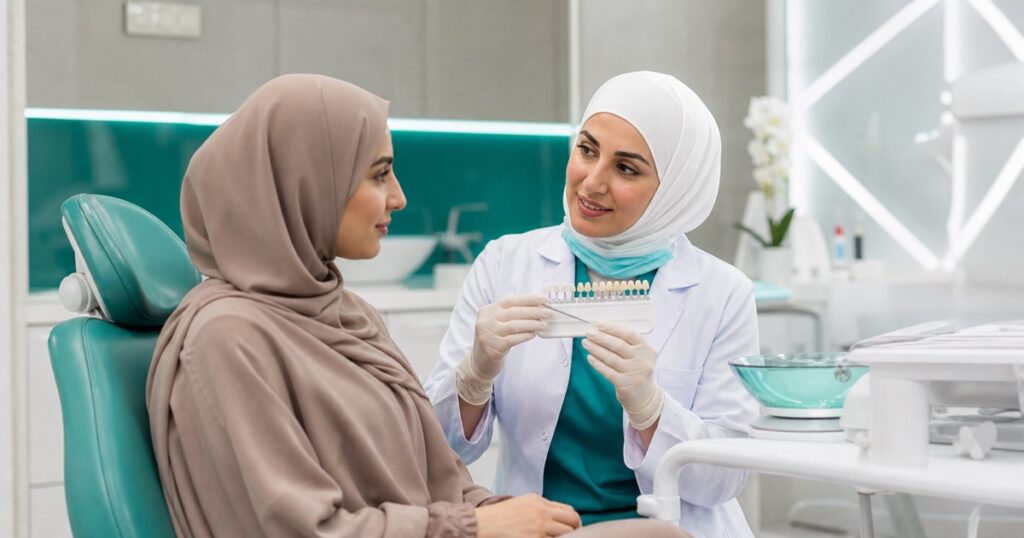
Laser teeth whitening can brighten natural teeth in a relatively short appointment, but it is not completely risk-free. The most common risks of laser teeth whitening are temporary tooth sensitivity and irritation of the gums. These effects can often be reduced when a dentist examines the mouth first, protects the soft tissues carefully, and selects the whitening gel concentration and exposure time for the individual patient. The word “laser” can also be misleading: in most in-office systems, peroxide gel performs the whitening action, while a light source may be used as part of the activation protocol.
This guide explains what can happen during and after professional whitening, who may need to postpone it, how dentists lower the risks, and which symptoms deserve a review. It is patient education rather than a diagnosis. Tooth colour, enamel condition, gum health, restorations and sensitivity history differ, so a clinical assessment remains the safest starting point.
Considering professional teeth whitening?
Start with a dental and gum assessment. A dentist can identify the cause of discolouration, estimate sensitivity risk and explain which whitening option is realistic for your smile.
What does “laser teeth whitening” actually mean?
People commonly use the phrase for several fast whitening procedures performed in a dental clinic. During a typical visit, the dentist retracts and protects the lips and gums, then applies a professional gel containing hydrogen peroxide or another approved bleaching agent to the natural teeth. A special lamp or laser-labelled device may be used, depending on the system. The active agent breaks down coloured molecules within the tooth structure, making the shade appear lighter.
The distinction matters because safety depends heavily on the gel concentration, contact time, tissue isolation, tooth condition and the heat or intensity produced by the light source. A procedure is not automatically safe simply because it is described as laser whitening. Proper case selection, careful technique and realistic treatment limits matter more than a device name or promotional claim.
Is laser teeth whitening safe?
Professional whitening can be an appropriate cosmetic treatment for many adults when it follows an oral examination and is carried out using a suitable protocol. The American Dental Association identifies temporary tooth sensitivity and gingival inflammation as the most common adverse effects of vital tooth bleaching. That does not mean everyone experiences pain, and it does not mean every patient is a good candidate. Safety is individual.
It is also useful to separate an expected, short-lived side effect from a complication. Brief sensitivity to cold air or water can occur after bleaching. Severe pain, a visible chemical burn, growing swelling, or pain isolated to one tooth may signal another problem and should not be dismissed as normal whitening sensitivity. An examination reduces the chance that decay, a crack, exposed dentine or pulpal disease is overlooked before treatment.
Main risks and side effects of laser teeth whitening
1. Temporary tooth sensitivity
Sensitivity is the most frequently reported problem. A patient may notice short, sharp sensations when breathing through the mouth or drinking something cold. Peroxide can pass through enamel and dentine and temporarily stimulate the tissues inside the tooth. Symptoms may begin during the session, later that day or the following morning. They are often mild and short-lived, but their intensity varies and no clinic should promise that sensitivity will never occur.
The risk can be higher with stronger concentrations, longer applications, repeated bleaching within a short period, pre-existing sensitivity, gum recession, exposed root surfaces, enamel cracks or leaking restorations. A dentist may shorten the cycles, use a lower concentration, treat only selected teeth, or recommend gradual whitening with custom trays instead. Desensitising toothpaste may help when advised, but it cannot replace diagnosis if the pain is intense or persists.
2. Gum and soft-tissue irritation
Whitening gel can irritate the gums, lips or cheeks when it leaks beyond the tooth surface. Contact may cause burning, redness or a temporary white patch on the tissue. Dentists use a protective gingival barrier, retractors and careful gel placement to minimise this risk. If you feel strong burning during treatment, tell the team immediately so that the material and barrier can be checked rather than trying to tolerate it.
Inflamed or bleeding gums are more vulnerable, which is one reason whitening may be postponed until gum health improves. Poorly fitting home trays can also push gel onto the gums. Applying extra gel does not guarantee a brighter result; it mainly increases overflow and exposure. Follow the amount and timing prescribed rather than adjusting either in pursuit of faster whitening.
3. Pulp irritation or pain in one tooth
A tooth with deep decay, a crack, a loose filling or a previous injury may respond more strongly than healthy teeth. Pain that throbs, wakes you at night, lingers after the trigger stops or remains localised to one tooth needs assessment. It may not be a routine bleaching effect. The dentist may use vitality tests and radiographs to identify whether the pulp or root tissues are involved.
Teeth with root canal treatment may also have a different cause of discolouration and may not respond predictably to external whitening. Internal bleaching or a restorative approach is sometimes considered, but only after the tooth, root filling and surrounding tissues have been evaluated. Repeating whole-mouth whitening is not a substitute for diagnosing one dark or painful tooth.
4. Uneven colour and mismatched restorations
Whitening agents lighten natural teeth; they do not change the shade of crowns, veneers, bridges, dentures or tooth-coloured fillings in the same way. If these restorations are visible in the smile, the natural teeth may become lighter while the restorations retain their original shade. A difference that was subtle before treatment can therefore become obvious afterwards.
Results may also look uneven where there are white spots, developmental enamel changes, tetracycline-related staining or trauma-related discolouration. Some white areas look more prominent immediately after treatment because the teeth are dehydrated, then blend better when hydration returns. Other conditions require a broader conservative cosmetic plan. A shade assessment before treatment helps avoid chasing an unattainable uniform colour with repeated sessions.
5. Temporary dehydration and an exaggerated immediate result
The teeth are isolated and the mouth remains open during in-office whitening. This causes temporary dehydration, which can make the teeth look noticeably brighter at the end of the appointment. After saliva rehydrates the enamel, part of that immediate colour change may rebound. The photograph taken as soon as the lamp is removed is therefore not always the final stable shade.
This is why dentists usually avoid selecting the final shade of a new front filling, veneer or crown immediately after bleaching. Allowing time for colour stabilisation gives a more reliable match. It also keeps expectations realistic: whitening can improve colour, but it cannot guarantee the same number of shade changes for every person.
6. Over-whitening and combining too many products
Risk does not come only from a single clinic session. Some patients combine in-office whitening with strips, abrasive toothpastes, online gels and leftover tray products without accounting for total exposure. Overuse can produce recurring sensitivity, gum irritation and unwanted surface changes. Higher-strength products are not automatically better, and professional materials used without supervision can expose the gums and roots to concentrations they were not intended to receive.
Tell the dentist which products you have used recently, including “natural” remedies. Avoid lemon juice, vinegar and acidic fruit mixtures, which can erode enamel. Charcoal powders and coarse pastes may remove surface deposits through abrasion but can also wear the surface. A tooth that looks yellower after abrasion may be showing more of its naturally yellow dentine rather than becoming healthier or truly whiter.
Can laser whitening damage tooth enamel?
It is inaccurate to claim that every professional whitening treatment strips enamel, but it is equally unhelpful to label every product and protocol harmless. The clinical effect depends on formulation, acidity, concentration, contact time, frequency and baseline tooth condition. Laboratory studies may identify surface changes with certain products or excessive exposure, although real-mouth factors such as saliva and remineralisation affect the clinical picture.
Light-assisted systems add another variable. Some devices can increase temperature if used at an unsuitable intensity or duration. Equipment should be designed for dental use, maintained appropriately and operated by trained professionals using the required eye and tissue protection. Dubai Health Authority standards for lasers in dentistry emphasise practitioner training, equipment controls, risk assessment and protective measures. Patients can reasonably ask what system is being used and how safety is managed.
Who may not be a suitable candidate?
A dentist may delay whitening, modify the approach or recommend another option where the benefit is limited or the likelihood of discomfort is higher. Situations requiring particular care include:
- Untreated decay, leaking fillings, cracked teeth or unexplained toothache.
- Active gum disease, bleeding, ulcers or significant gum recession.
- Severe existing sensitivity or pain that lingers after hot and cold stimuli.
- Multiple visible crowns, veneers or fillings that would not match the new shade.
- Deep internal discolouration caused by trauma, medication or enamel development.
- Pregnancy or breastfeeding, when many clinicians defer elective cosmetic procedures.
- Younger patients or incompletely developed teeth, depending on clinical and regulatory guidance.
- Unrealistic expectations or repeated requests despite ongoing sensitivity.
Fixed braces prevent the gel reaching all tooth surfaces evenly, so comprehensive whitening is commonly delayed until the appliances are removed and gum health is stable. A patient with patchy or resistant staining may benefit from a cautious trial and review rather than a full-strength session based only on appearance.
Why dental problems should be treated first
Whitening is cosmetic. It does not remove decay, cure bad breath, heal inflamed gums or repair a cracked tooth. Gel placed over an open cavity or a defective filling margin may reach sensitive areas. Tissue isolation and peroxide contact can feel worse when gums are already inflamed. A sound plan treats active disease first, then revisits cosmetic goals after the mouth is stable.
If deposits and surface stains are the main concern, professional teeth cleaning may improve the appearance without bleaching. Cleaning does not alter the internal tooth shade, but it reveals the true baseline colour and allows the dentist to assess the enamel and gums more accurately. Decay or periodontal treatment may need to be completed before whitening is reconsidered.
What happens during the pre-whitening assessment?
The dentist asks about previous sensitivity, medical conditions, medicines, pregnancy, past dental treatment and every whitening product recently used. It helps to mention an upcoming wedding or event, because timing affects when treatment and colour matching should occur. The examination checks the teeth, gums, exposed roots, cracks, restorations and areas of abnormal colour. Radiographs are requested only when symptoms or findings justify them.
The starting shade is recorded and the likely response is discussed. Yellow surface-related discolouration can behave differently from grey, brown or internal staining. No responsible assessment can guarantee an exact shade change. If front restorations are present, the dentist explains whether they may need replacement and when that decision should be made. This planning conversation is more important than choosing a fashionable lamp name.
How dentists reduce laser whitening risks
- Case selection: active disease, unexplained pain and severe inflammation are addressed before bleaching.
- Soft-tissue isolation: the lips and gums are protected and exposed root areas are identified.
- Controlled dose: concentration, contact time and number of cycles are adjusted to the patient.
- Monitoring: the dentist checks for heat, burning, localised pain and gel leakage during treatment.
- Realistic stopping point: treatment is not prolonged simply to chase an artificial shade.
- Aftercare: the patient receives guidance on sensitivity, diet, cleaning and warning signs.
Fluoride, potassium nitrate or another desensitising measure may be considered, but no single product prevents sensitivity in everyone. The safest approach is to assess the risk, use a conservative protocol and respond promptly if symptoms develop.
What to expect during an in-office appointment
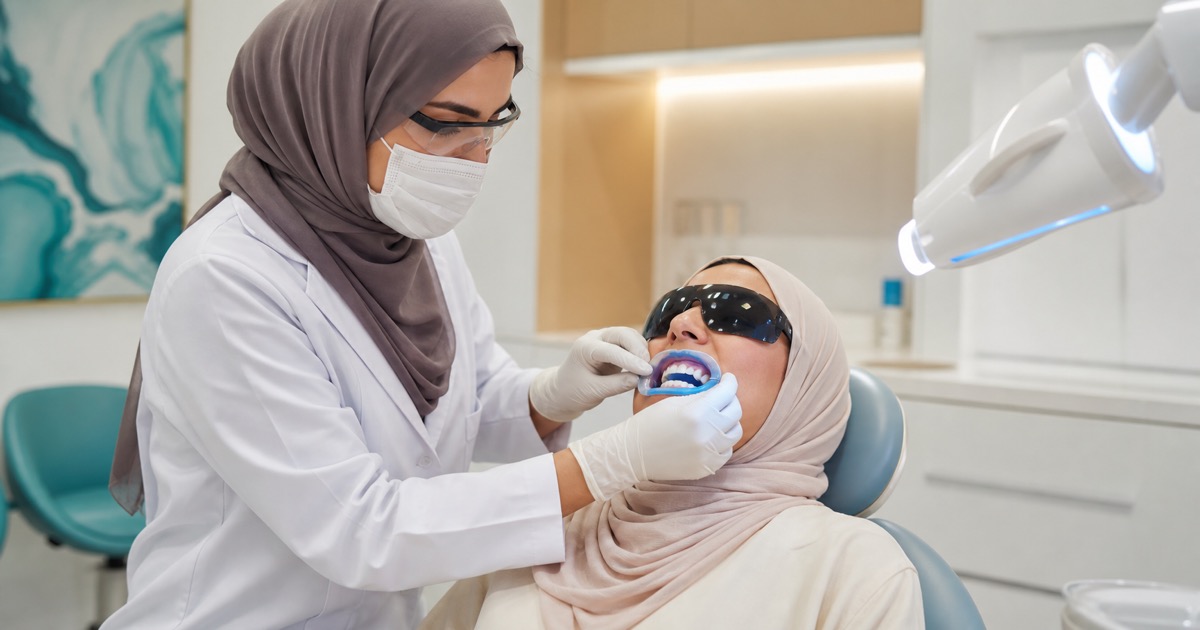
After the shade is recorded and surface deposits are managed if necessary, the clinician retracts the lips, protects the gums and provides protective eyewear. Whitening gel is placed on the selected natural teeth. If the protocol includes a lamp, it is positioned according to the system instructions. Treatment may be divided into shorter cycles so that the gel and soft tissues can be checked between applications.
You should report intense warmth, burning or pain in a specific tooth immediately. At the end, the material and barriers are removed, the gums are inspected and the shade is documented. The dentist explains that dehydration can temporarily exaggerate the result. There is no benefit in adding unsafe cycles merely because a patient expected an edited, paper-white smile; preserving tooth health sets the limit.
Aftercare following laser teeth whitening
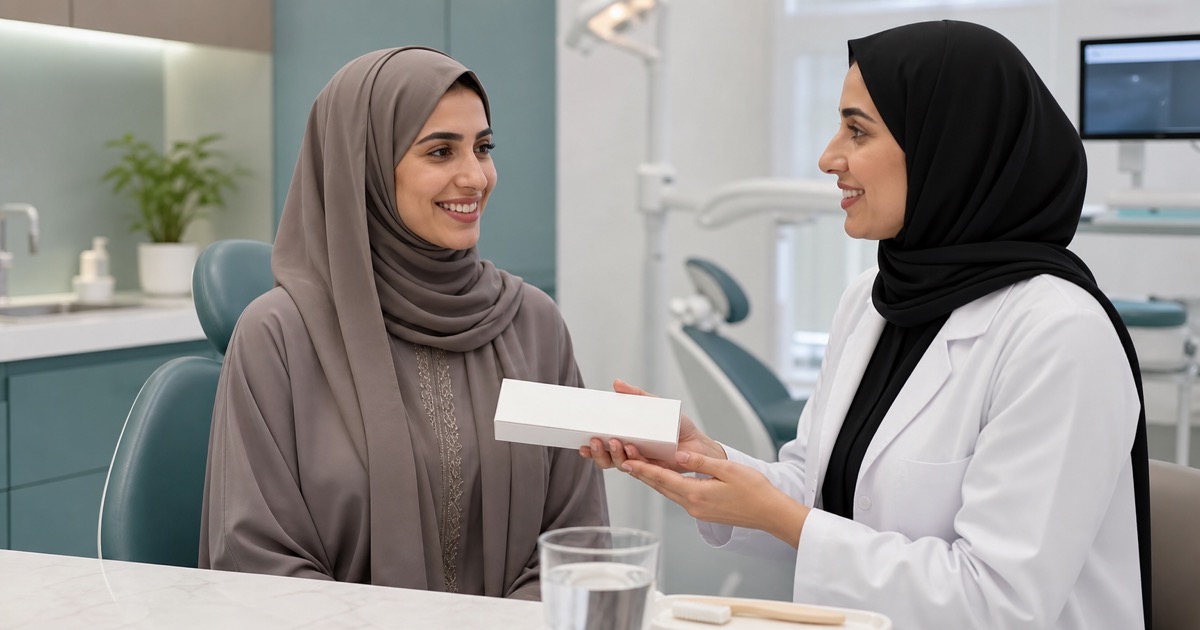
For the first day or two, brush gently with a soft toothbrush and a non-abrasive toothpaste. A sensitivity toothpaste may be recommended. Avoid very cold or hot items if they trigger discomfort. Aggressive brushing will not “lock in” the result and can irritate the gums or worsen exposed root sensitivity.
Coffee, tea, tobacco and highly pigmented foods can shorten how long the improvement remains noticeable. You do not necessarily need an extreme white-only diet for an extended period, but moderation, rinsing with water after dark drinks and maintaining daily oral hygiene are sensible. Follow the specific instructions from your dentist because materials and treatment protocols vary.
When should you call the dentist?
Contact the clinic if pain is severe, is getting worse, continues beyond the period discussed, or remains focused in one tooth. Swelling, fever, a bad taste, discharge or a visible soft-tissue ulcer also needs attention. Difficulty breathing or swallowing is an urgent symptom and requires immediate medical care. Stop any home gel or tray until the cause of the reaction is understood.
Mild intermittent sensitivity may settle relatively quickly, but remote advice has limits. Tell the dentist when the pain began, what triggers it and which products you have used. Do not place aspirin on the gum, and do not apply vinegar, alcohol or concentrated essential oils to irritated tissue; these substances can worsen a chemical burn.
Gentler alternatives to same-day whitening
If sensitivity risk is high, the dentist may offer gradual home whitening using custom-fitted trays and a lower concentration. The dose and frequency can be reduced or paused if symptoms occur. This option takes longer and requires careful compliance, but speed is not the only measure of quality. Over-the-counter products vary considerably and should not be layered together without guidance.
Professional cleaning may be enough when the colour concern comes mainly from surface stain and calculus. A single dark tooth after trauma or root canal treatment needs a different diagnostic pathway. Veneers and crowns are not simple whitening substitutes: they are restorative procedures that can require alteration of tooth structure. The least invasive option that meets a realistic goal is generally preferable.
Common myths about laser teeth whitening
“The laser alone removes the stain”
In most in-office systems, peroxide gel carries out the chemical bleaching. The light is one component of a specific protocol. Ask about the material, concentration, isolation and monitoring rather than focusing only on the equipment name.
“Any sensitivity means nerve damage”
Short-term sensitivity is common and does not automatically mean permanent pulpal damage. However, severe, lingering or single-tooth pain deserves an examination because decay, a crack or pulpal inflammation may be present.
“Natural remedies are safer”
Lemon and vinegar are acidic, charcoal can be abrasive, and non-dental peroxide can burn oral tissues. Natural does not mean safe, effective or suitable for daily use. Evidence-based preventive care is a better foundation than kitchen mixtures.
“Whitening lasts forever”
New staining develops over time. Longevity depends on smoking, coffee and tea consumption, oral hygiene, baseline colour and the type of stain. Maintenance should be planned with a dentist rather than repeated whenever a social event approaches.
Choosing a teeth whitening clinic in the UAE
Ask who will examine you, who will perform the procedure, how the gums and eyes are protected, and what happens if sensitivity develops. A proper consultation should discuss alternatives, realistic limitations, costs and follow-up. Be cautious of offers that guarantee the same shade for every patient or begin bleaching without checking the teeth, gums and restorations.
At Basmat Al Hayat Medical Center, you can review the teeth whitening service, learn about the clinical team, and request an appointment at a convenient branch. Access to clinics in Sharjah and Ras Al Khaimah also makes follow-up easier if you need a review or a gradual treatment plan.
Choose whitening planned for your teeth
Book an assessment at Basmat Al Hayat in Sharjah or Ras Al Khaimah to check your teeth and gums, discuss restorations and sensitivity, and understand the result you can realistically expect.
Frequently asked questions
Is laser teeth whitening painful?
It usually does not require anaesthesia, but some people experience tingling, warmth or sensitivity during or after treatment. Report strong pain promptly so that the gel, barrier and exposure time can be checked.
How long does sensitivity last after whitening?
It is usually temporary and improves within a few days, although duration varies with tooth condition and treatment intensity. Severe, persistent or single-tooth pain should be assessed rather than managed as routine sensitivity.
Can whitening permanently damage enamel?
An appropriate professional protocol is not expected to permanently damage enamel in a suitable patient. Overuse, unregulated products and incorrect concentration or timing can increase irritation and surface-change risks, so professional direction matters.
Can I whiten my teeth if my gums bleed?
The cause of bleeding should be examined first. Inflamed gums are more likely to become irritated, and you may need cleaning or periodontal care before an elective whitening procedure.
Will crowns and fillings become whiter?
No. Restorative materials do not whiten like natural teeth. Existing front restorations can therefore look darker after treatment, and their future shade or replacement timing should be discussed before bleaching.
Can people with sensitive teeth have laser whitening?
Some can use a modified, lower-intensity or gradual protocol, while others need the cause of sensitivity treated first. A clinical assessment is safer than testing a high-strength home product.
Are lemon, vinegar or charcoal safe whitening options?
They are not recommended. Acids can erode enamel, and abrasive powders can wear the surface. They do not provide controlled internal bleaching and may increase sensitivity.
When can I drink coffee after whitening?
Follow the instructions for the system used. Your dentist may advise limiting strongly pigmented drinks initially, then drinking them in moderation, rinsing with water and maintaining good oral hygiene.
Does everyone achieve the same result?
No. Response depends on baseline shade, stain type, age, enamel, restorations and habits. Internal and patchy discolouration may improve less, which is why expectations should be discussed before treatment.
What is the most important way to reduce whitening risks?
Have a dental examination first. Healthy teeth and gums, proper tissue isolation, a suitable gel dose, careful monitoring and sensible aftercare collectively reduce avoidable risks.
Summary
The most common risks of laser teeth whitening are temporary sensitivity and gum irritation. Problems become more likely when active dental disease is missed, soft tissues are not protected, exposure is excessive, or several products are combined without supervision. Restorations will not whiten, and every type of discolouration responds differently. The safest route is an examination, a realistic discussion of benefits and limits, and a professional protocol that can be adjusted to your response.