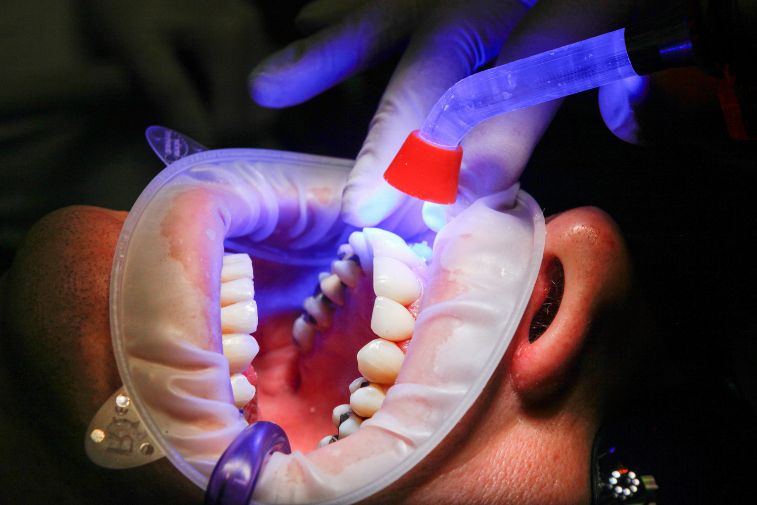
Dental Fillings at Basmat Al Hayat Medical Center
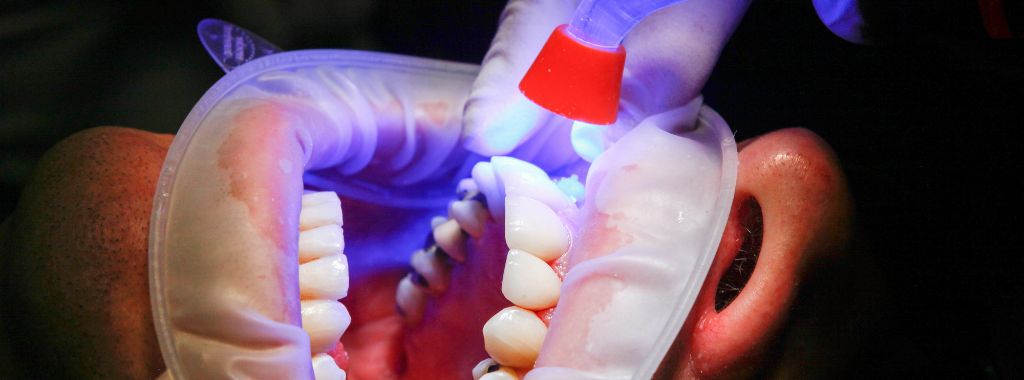
Dental Fillings in Muwailih and Ras Al Khaimah
Dental fillings help treat tooth decay and restore damaged parts of the tooth, allowing it to function properly again. At Basmat Al Hayat Medical Center, we provide dental filling services as part of our dental treatment services at our Muwailih – Sharjah and Ras Al Khaimah branches.
The treatment starts with a dental examination to check the level of decay or damage. Your dentist will then recommend the suitable filling option based on your tooth condition, location, and treatment needs.
You can contact our team to choose the nearest branch and arrange a dental checkup appointment.
What Are Dental Fillings?
A dental filling is a treatment used to repair a tooth after decay has been removed or after a small damaged part of the tooth needs restoration. The dentist cleans the affected area and places a suitable filling material to close the space and protect the tooth.
Fillings may also be used in some cases of minor tooth wear or small fractures, depending on the dentist’s assessment.
When Do You Need a Dental Filling?
You may need a dental filling if you notice one or more of the following signs:
- Visible tooth decay.
- Mild or moderate pain while eating.
- Sensitivity to hot or cold drinks.
- A small hole or gap in the tooth.
- A minor broken part of the tooth.
- Food getting stuck in one tooth.
- Discoloration in part of the tooth.
- Pain when chewing or applying pressure.
In some cases, tooth decay may not cause pain at the beginning. This is why regular dental checkups are important to detect problems early before they reach the nerve.
How Are Dental Fillings Done?
The procedure may vary depending on the condition of the tooth, but dental fillings usually include the following steps:
1. Dental Examination
The dentist examines the affected tooth and may request a dental X-ray if needed to check the depth of decay or how close it is to the nerve.
2. Cleaning the Decay
The decayed or damaged part of the tooth is removed and cleaned carefully.
3. Preparing the Tooth
The dentist prepares the tooth so the filling can be placed properly and support the tooth structure.
4. Placing the Filling
The suitable filling material is selected and placed inside the prepared area. The dentist shapes it to match the tooth’s function and bite.
5. Checking the Bite
After the filling is placed, the dentist checks your bite to make sure the filling does not feel high or uncomfortable.
Benefits of Dental Fillings
Dental fillings help treat tooth decay before the condition becomes more serious. Benefits may include:
- Treating decay after removing the damaged part.
- Restoring tooth function.
- Reducing the risk of decay reaching the nerve.
- Improving chewing comfort.
- Helping preserve the natural tooth.
- Reducing pain or sensitivity caused by decay.
- Supporting overall oral health.
Results and treatment needs may vary depending on the size of decay, tooth condition, and the filling option recommended by the dentist.
Does Every Cavity Need a Filling?
Not always. Some early cases may only need monitoring or preventive care, depending on the dentist’s opinion. However, if decay has damaged part of the tooth, cleaning and filling may be needed.
If the decay is deep and reaches the nerve, a filling alone may not be enough. The patient may need root canal treatment before restoring the tooth.
Aftercare for Dental Fillings
After your dental filling, your dentist may give you instructions based on your case. General tips include:
- Avoid strong pressure on the treated tooth if advised by the dentist.
- Brush your teeth daily.
- Clean between your teeth using floss or suitable tools.
- Reduce sugary foods and drinks.
- Visit the dentist if you feel continuous pain or discomfort.
- Keep up with regular dental checkups and cleaning.
Mild sensitivity may happen in some cases after a filling, but if it continues or becomes worse, you should contact your dentist.
Dental Fillings for Children
Children may also need dental fillings when they have decay in baby teeth or permanent teeth. Early treatment helps avoid pain and supports better oral health.
At Basmat Al Hayat Medical Center, the dentist examines the child’s teeth and recommends the suitable treatment based on age and tooth condition, while guiding parents on home dental care.
Why Choose Basmat Al Hayat Medical Center for Dental Fillings?
At Basmat Al Hayat Medical Center, we focus on a clear and comfortable dental care experience. Your dentist will examine the tooth, explain the condition, and recommend suitable treatment options before starting.
Dental filling services are available at our Muwailih – Sharjah and Ras Al Khaimah branches, with easy booking and support from our team.
Basmat Al Hayat Medical Center Branches
Muwailih Branch – Sharjah
Sheikh Khalifa Street, Muwailih Commercial
Customer Service: 065597444
Reception: 0544449500
Working Hours: Saturday to Thursday, 9:00 AM to 9:00 PM
Ras Al Khaimah Branch
Al Dhait Area – Agencies Street
Customer Service: 072222256
Reception: 0506462004
Working Hours: Saturday to Thursday, 9:00 AM to 9:00 PM
Friday: 12:00 PM to 8:00 PM
Book a Dental Filling Appointment
If you have tooth decay, sensitivity, or mild tooth pain, you can contact Basmat Al Hayat Medical Center to arrange a dental checkup at our Muwailih or Ras Al Khaimah branch. After examination, your dentist will recommend the suitable treatment based on your tooth condition.
Dental Fillings FAQ
Are dental fillings painful?
Dental fillings are usually done with local anesthesia when needed. The dentist decides this based on the depth of decay and tooth sensitivity.
How long does a dental filling take?
The time depends on the size of decay and the number of teeth that need treatment. Some cases can be completed in one visit after examination.
Can I eat after a dental filling?
It depends on the type of filling and the dentist’s instructions. In some cases, you may eat after a short time, while in others the dentist may advise waiting.
Does a filling stop tooth decay completely?
A filling treats the damaged part after removing decay, but daily oral care and regular checkups are still important to prevent new decay.
When do I need root canal treatment instead of a filling?
If decay reaches the tooth nerve or causes internal infection, root canal treatment may be needed before restoring the tooth. Your dentist will confirm this after examination and X-rays.